
The space of a contemporary art gallery, beyond embodying a cultural role, is a place that coexists with its “non-place” equivalent in today’s dematerialized era—one wonders whether the late anthropologist Marc Augé himself would have defined it in these terms.
This space can be understood through different intentions: as a “sacred” container or as an institutional space.
The sacred container focuses on the physical and metaphysical neutrality of the exhibition space in order to isolate the artwork, preserve its “purity,” and remove it from any external cues that might interfere with its artistic status. The gallery space is designed according to rigorous principles: sealed windows, white walls, and overhead lighting. Conceptually, art is placed in a condition of exhibitionary eternity, outside time and the contingencies of real life. This environment functions like a ritual or religious space, one into which the outside world must not intrude. The container is so powerful that, once removed from it, the work may lose its sacred status and revert to being a secular object.
The institutional space represents an evolution in which the gallery ceases to be a simple “picture shop” and becomes a fully-fledged cultural actor. The institutional exhibition is accompanied by a high degree of curatorial rigor and research activity, often including scholarly publications and catalogues once reserved for museums. In this way, the gallery assumes the role of an archive and a site of historical memory. Institutionalization also entails the preservation of artists’ archives, offering alternative historical narratives while generating social value.
On one side stands the sacred container—a lens that focuses attention exclusively on the object in order to extract an artistic essence; on the other, the institutional space, which binds the work to history, society, and posterity, and presupposes the gallery as a multifunctional site that extends beyond exhibition alone.
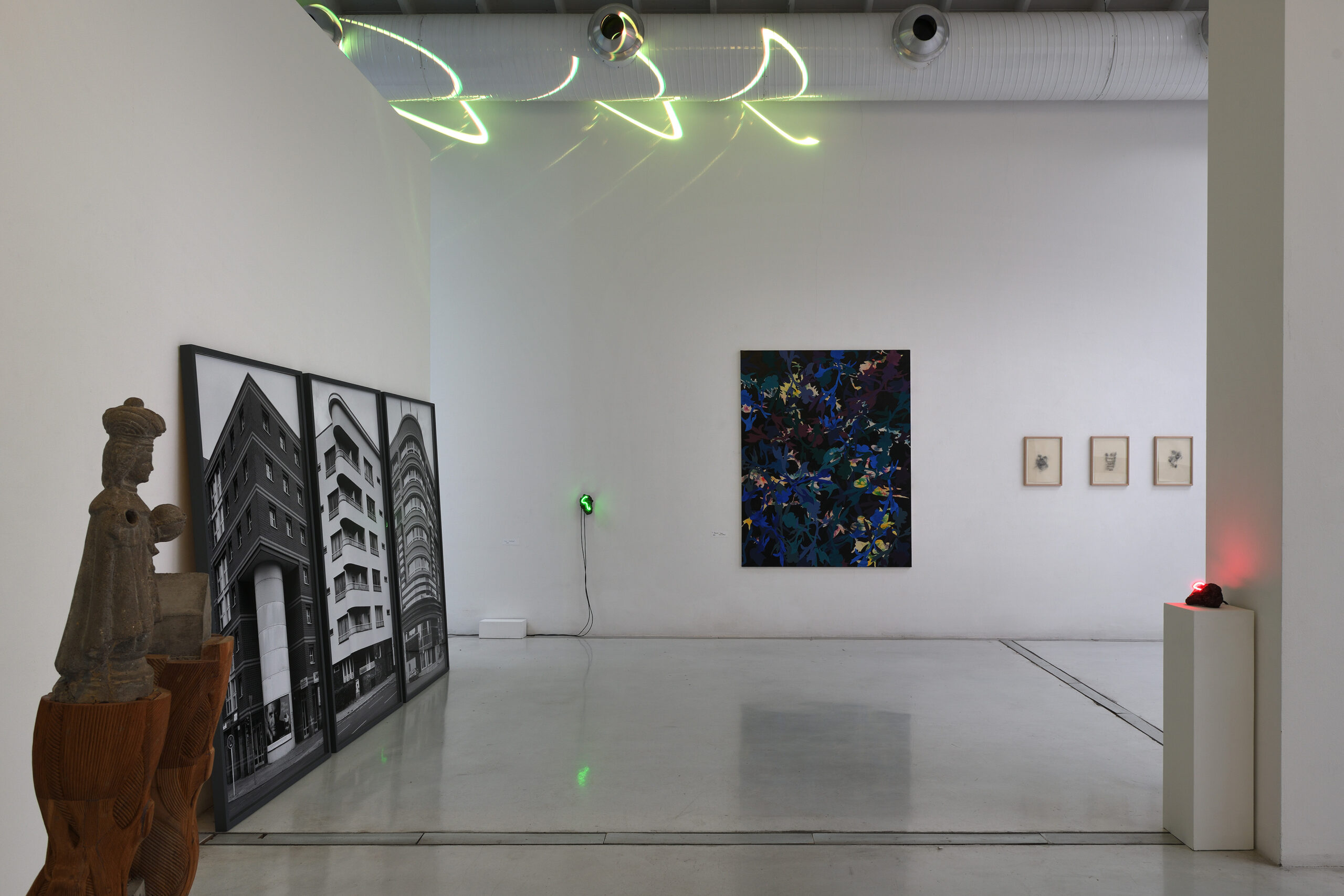
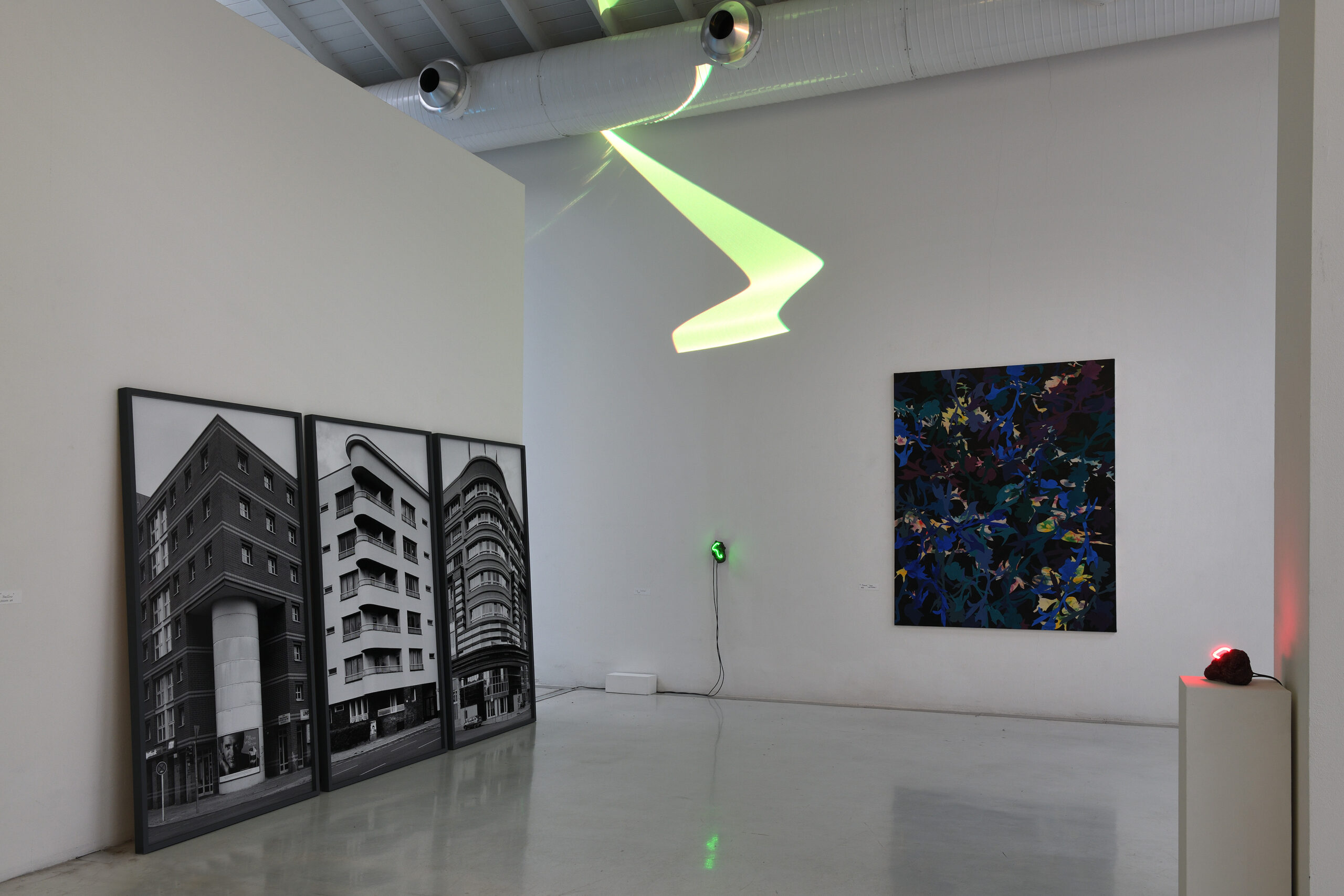
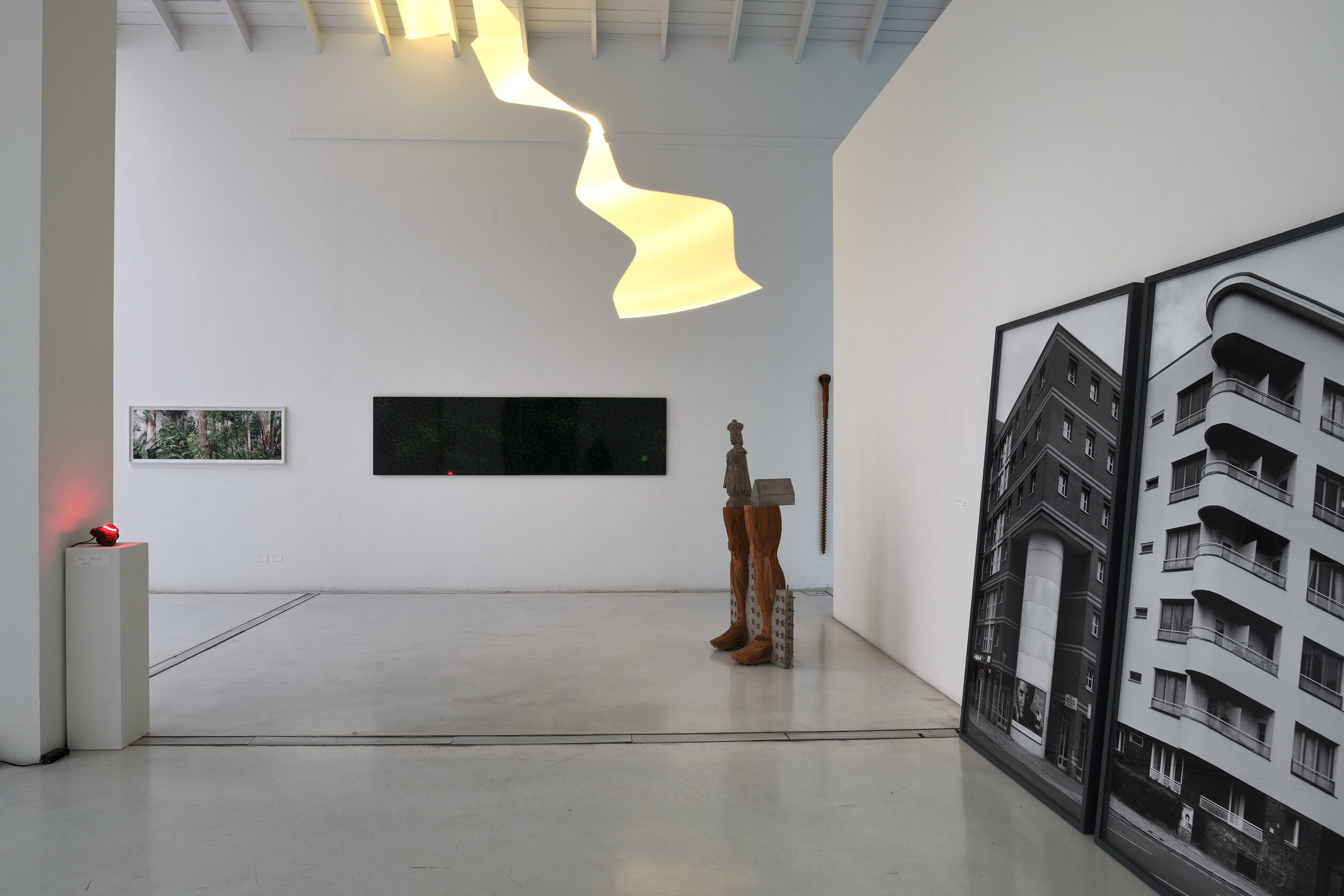
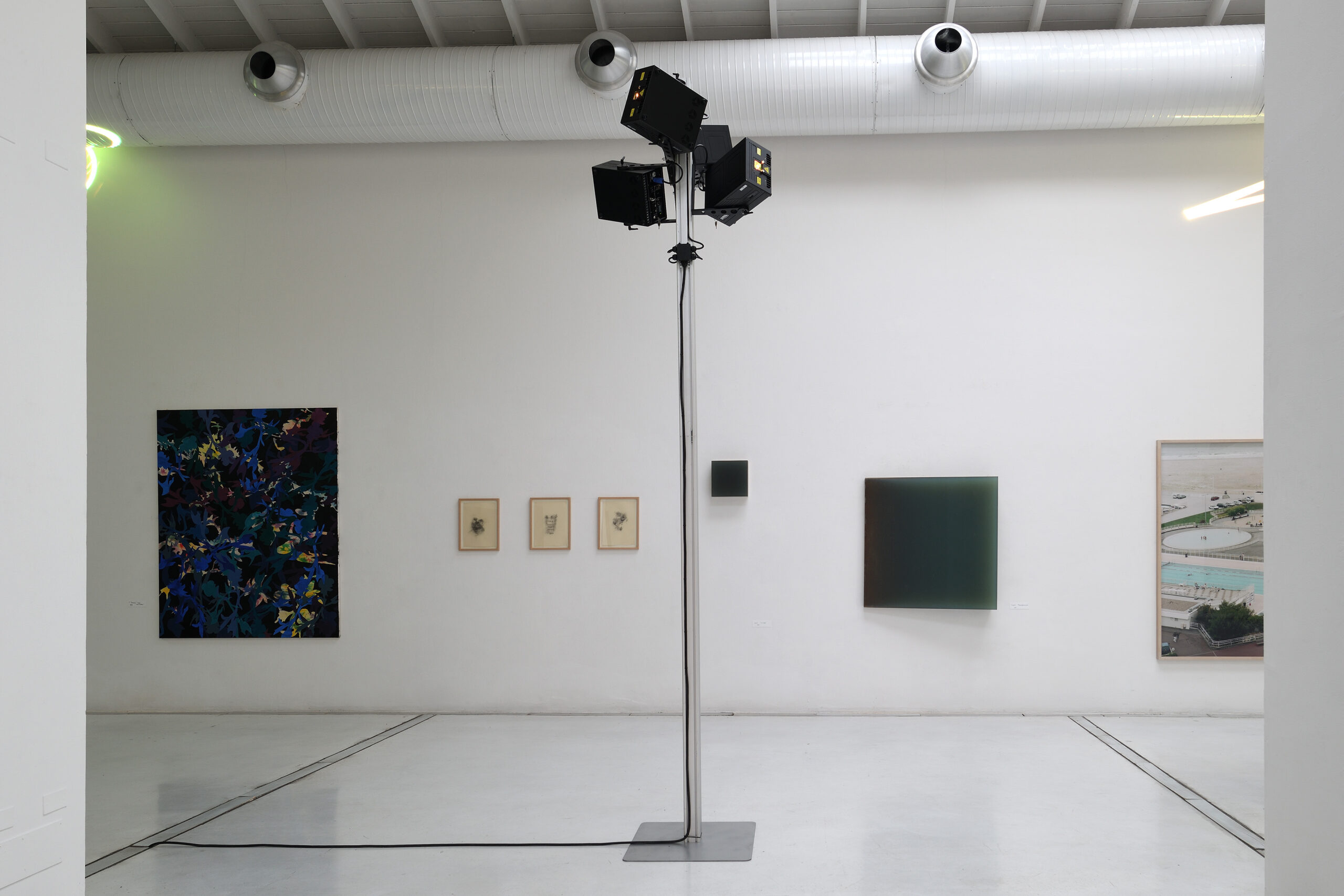
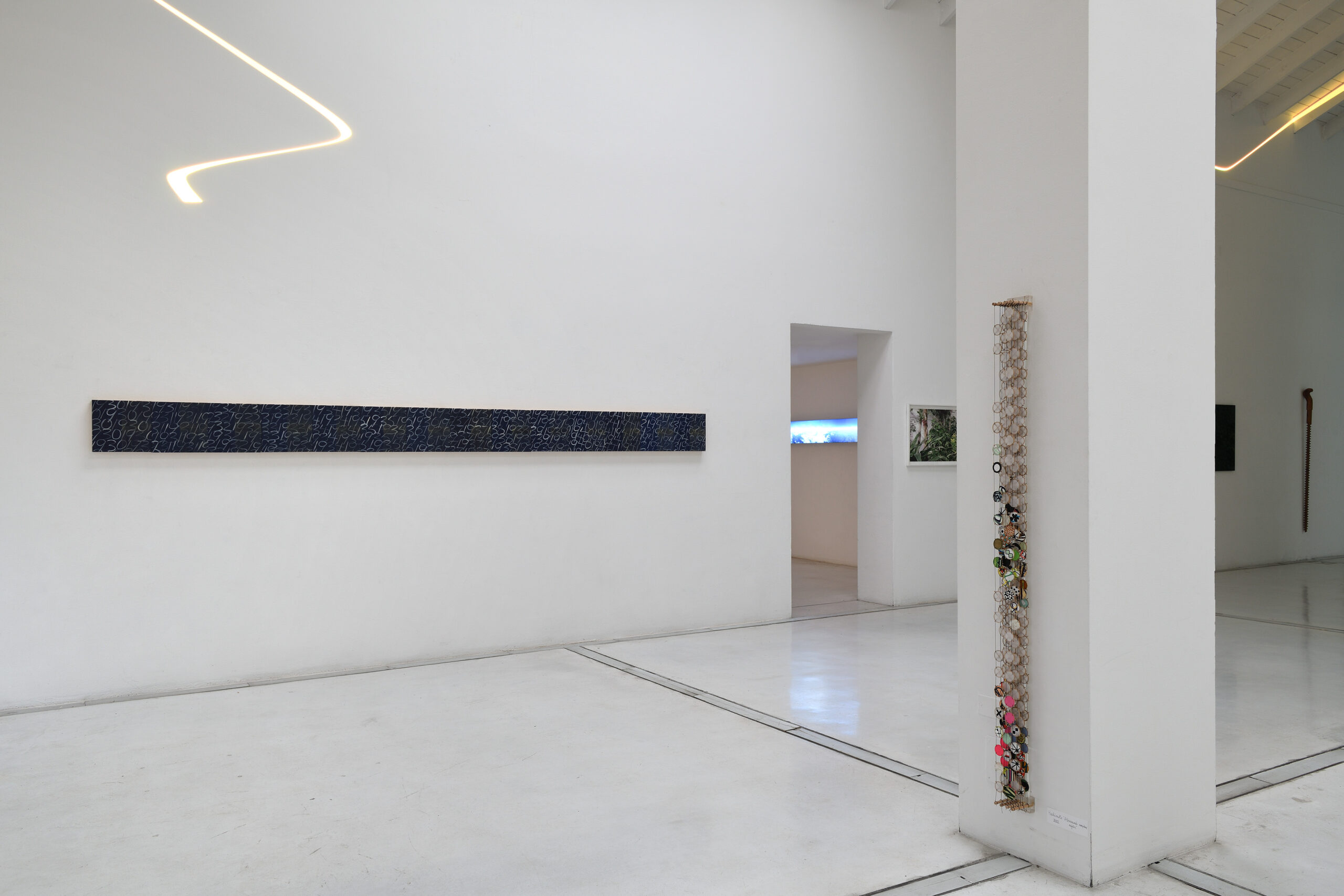
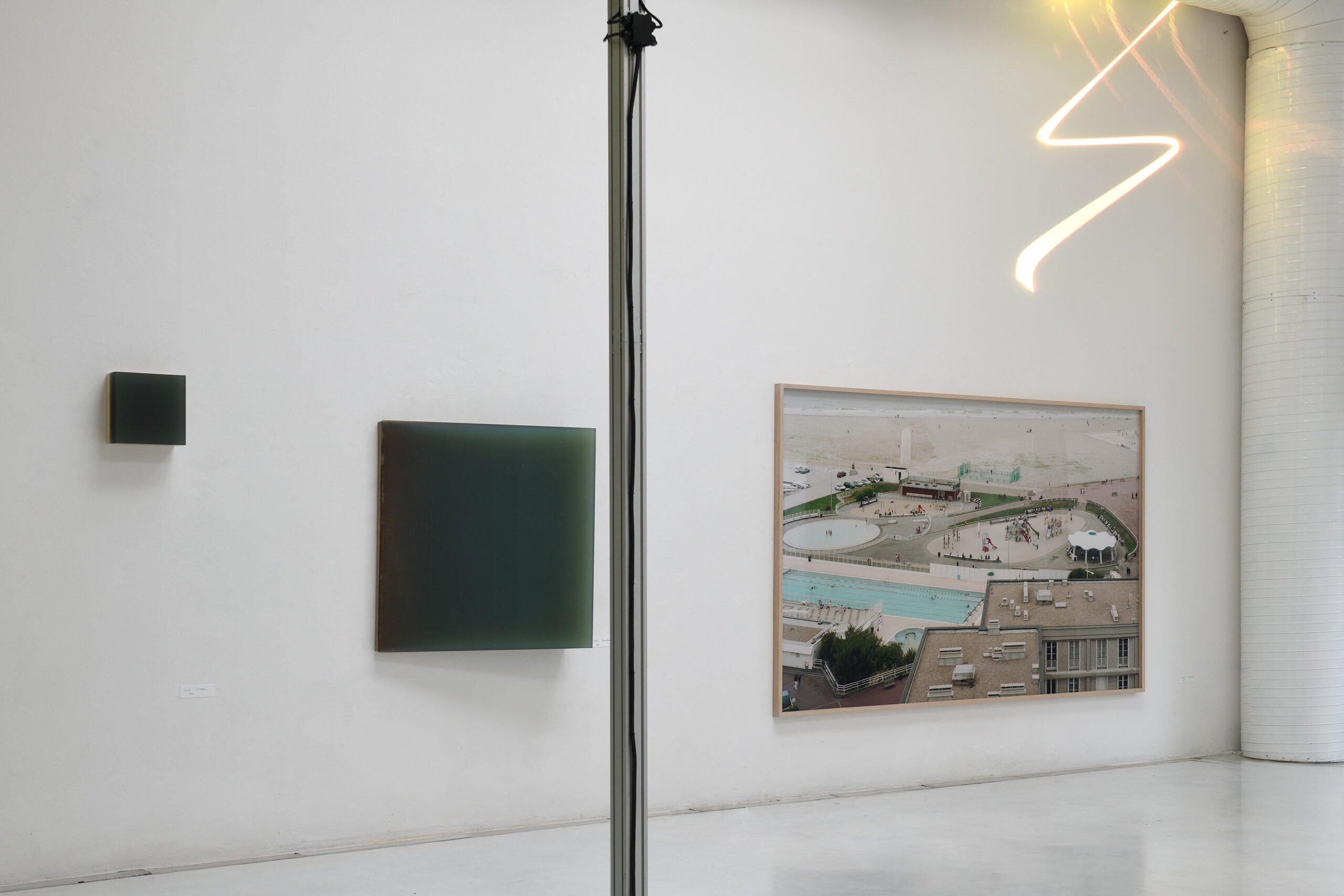
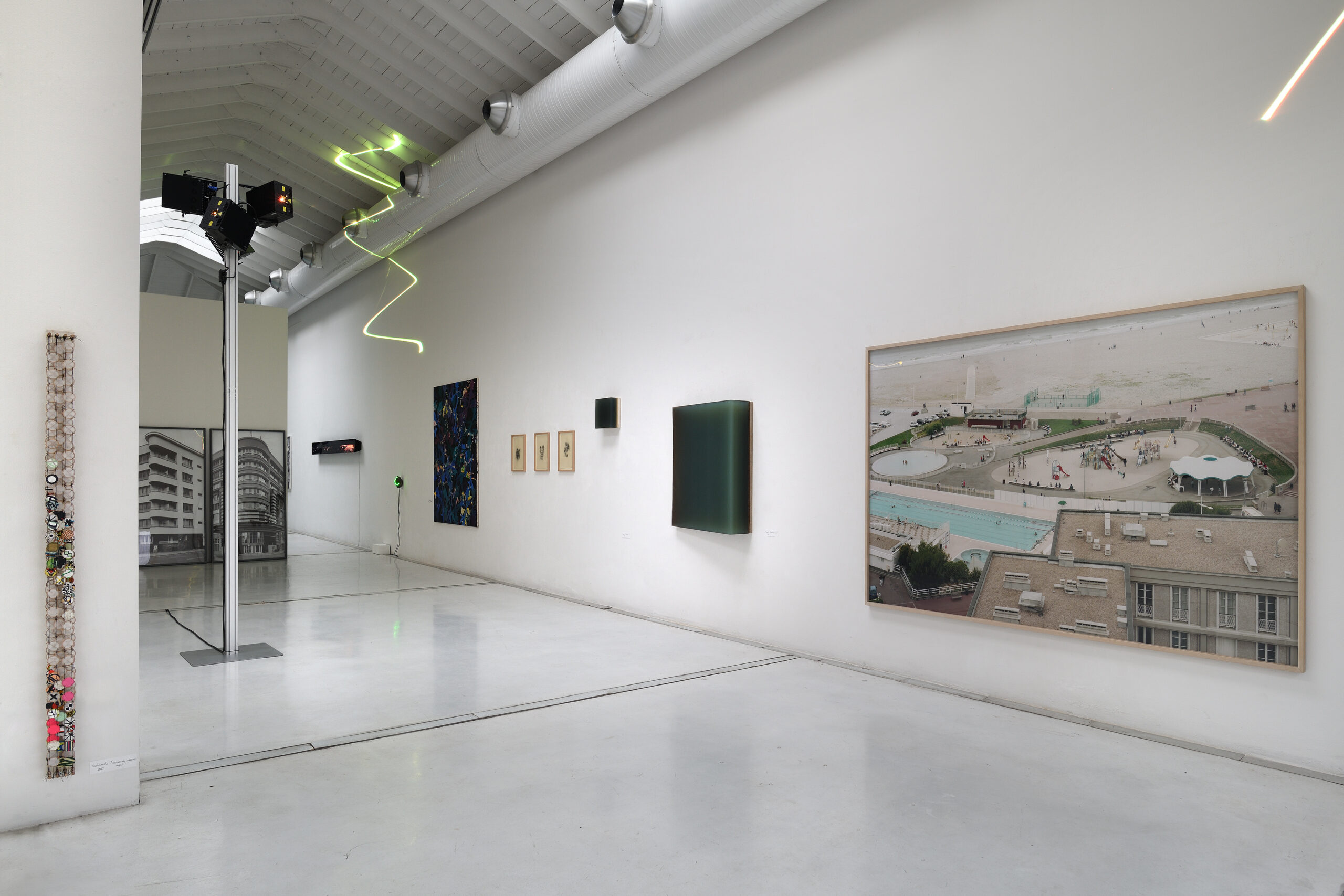
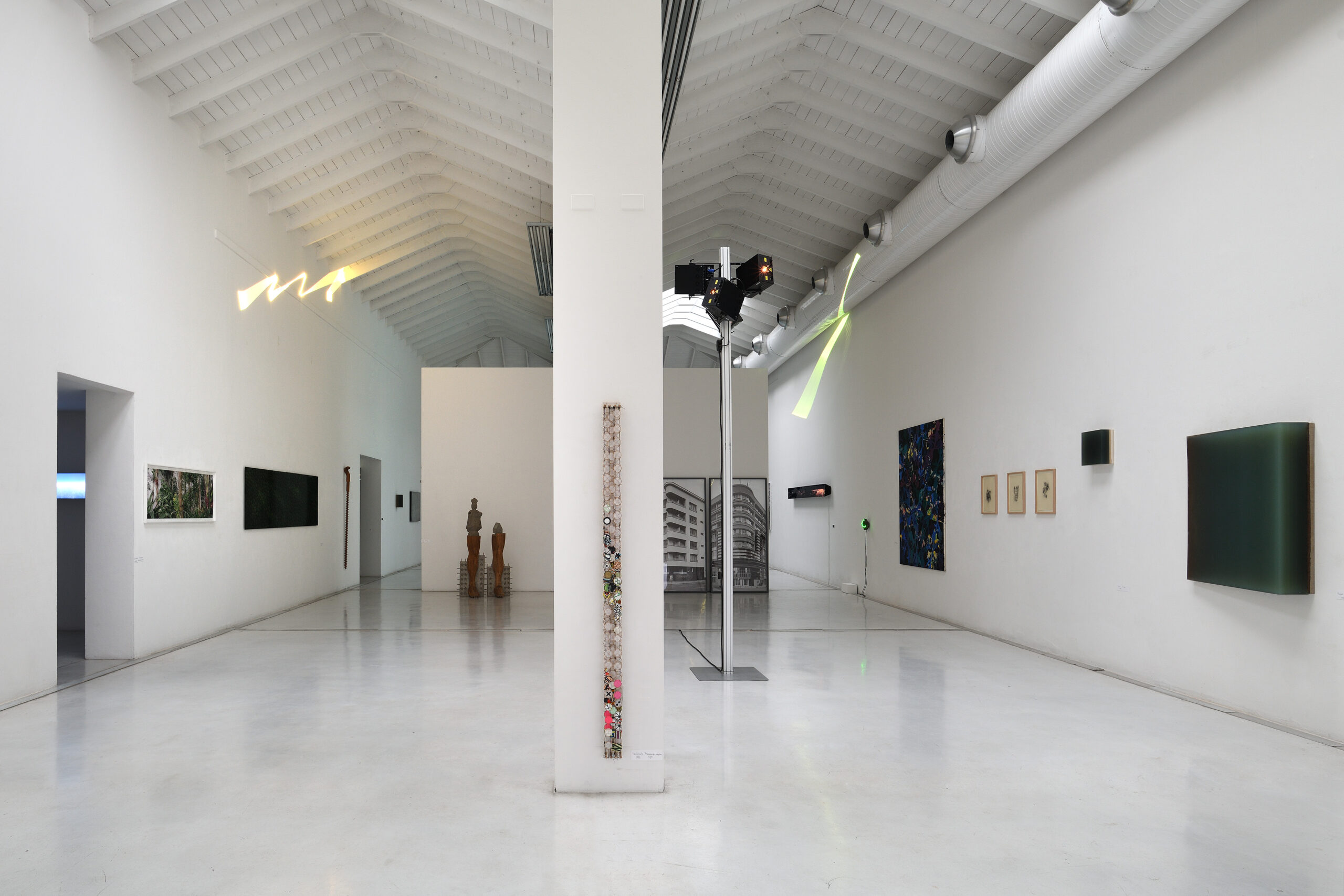
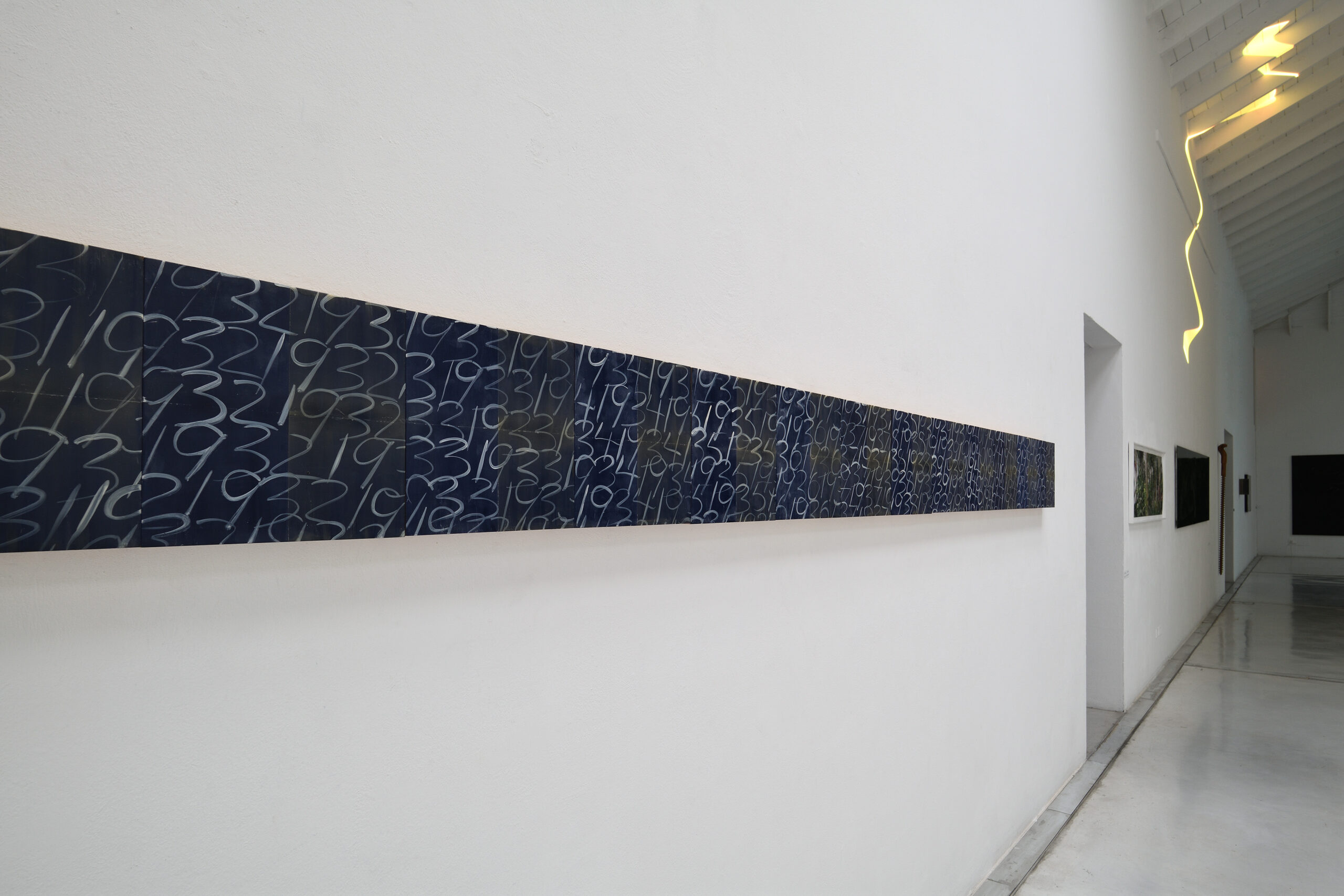
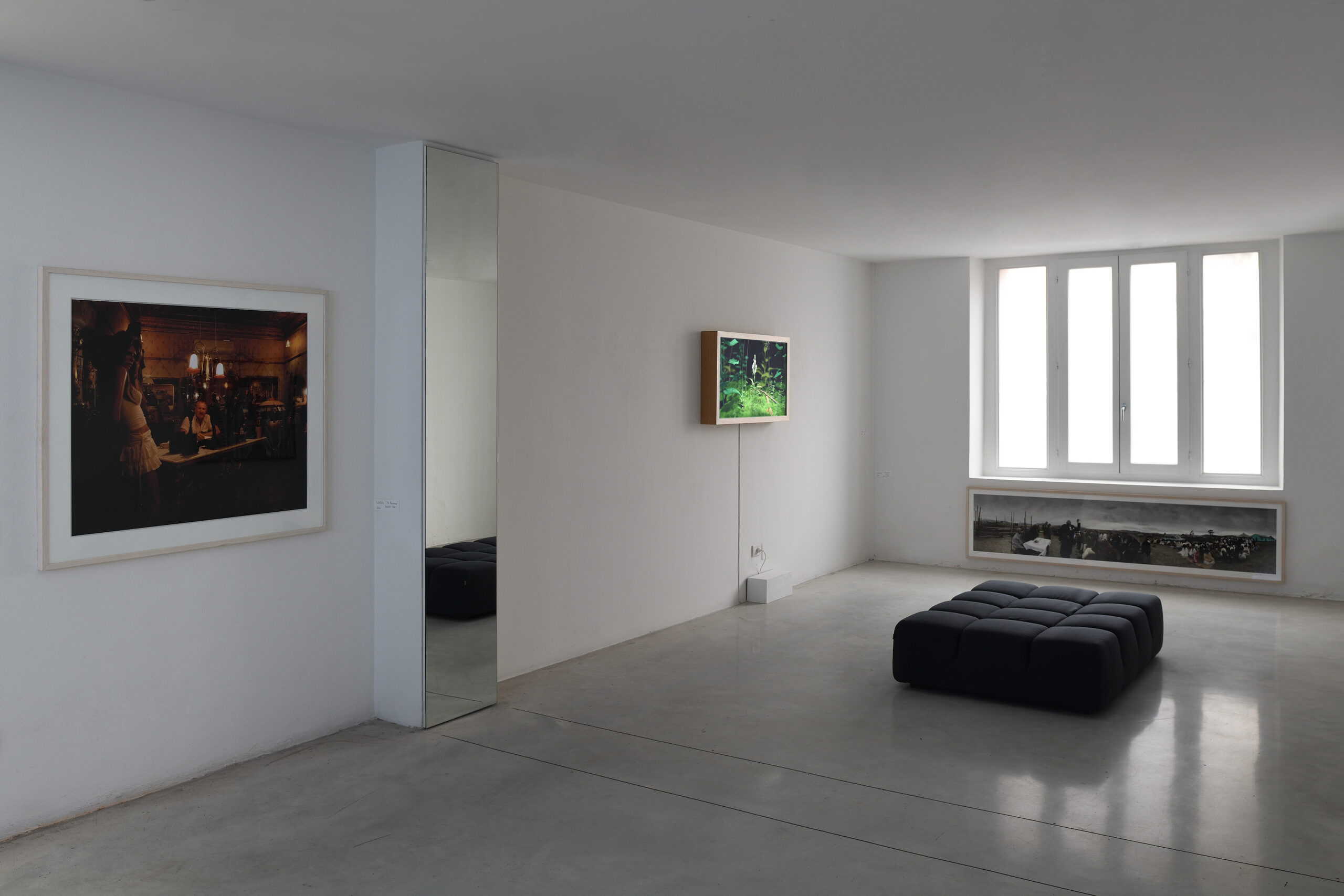
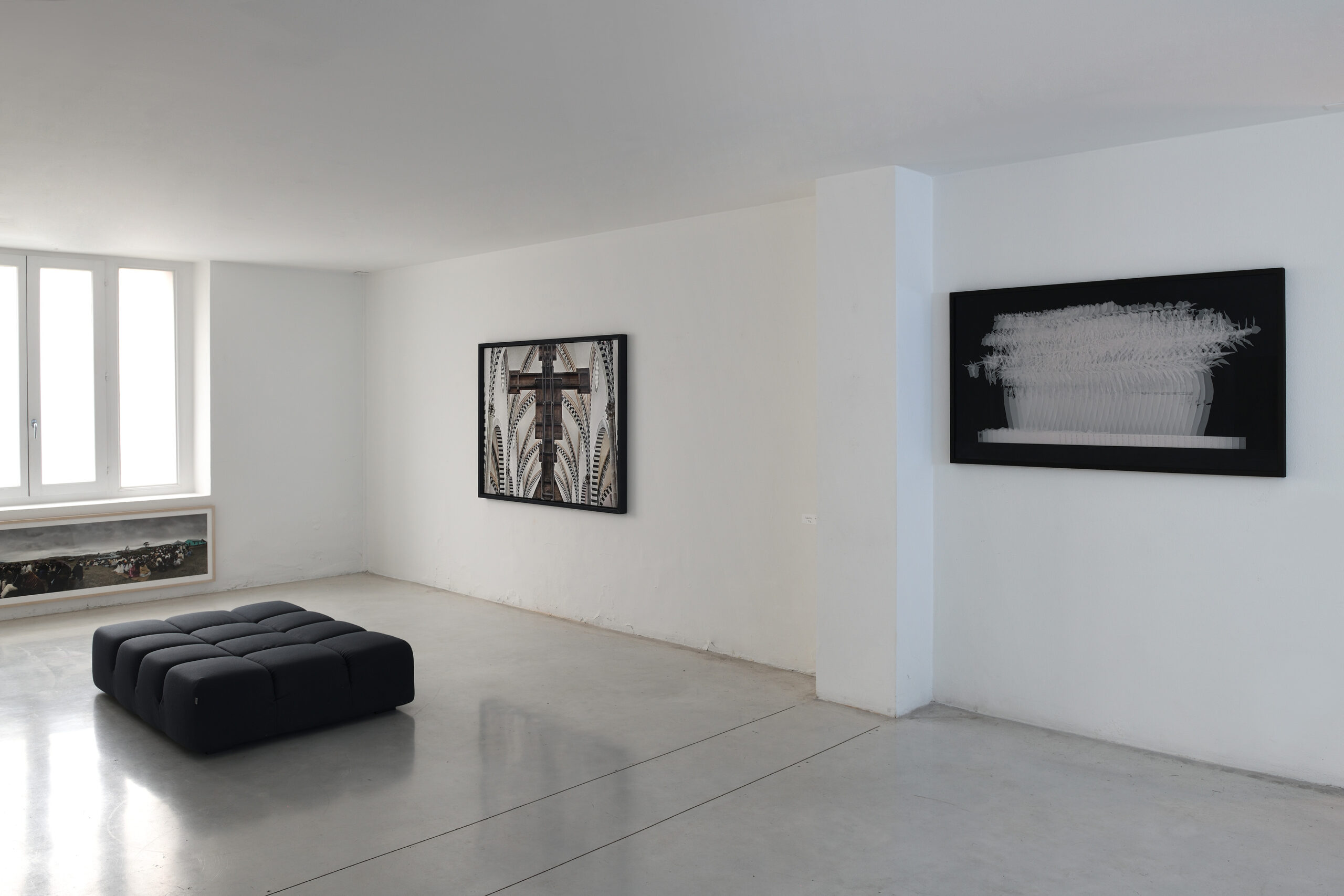
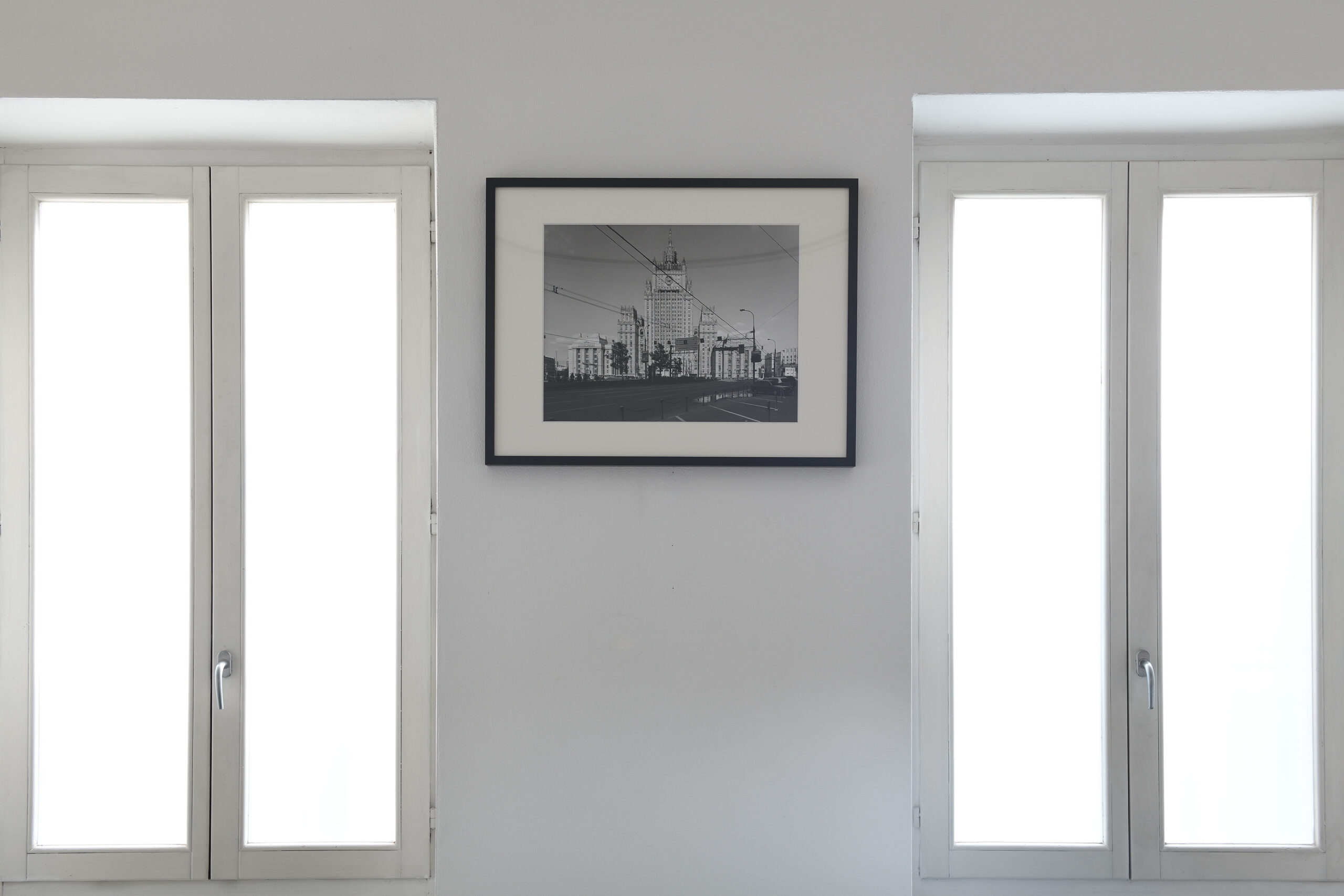
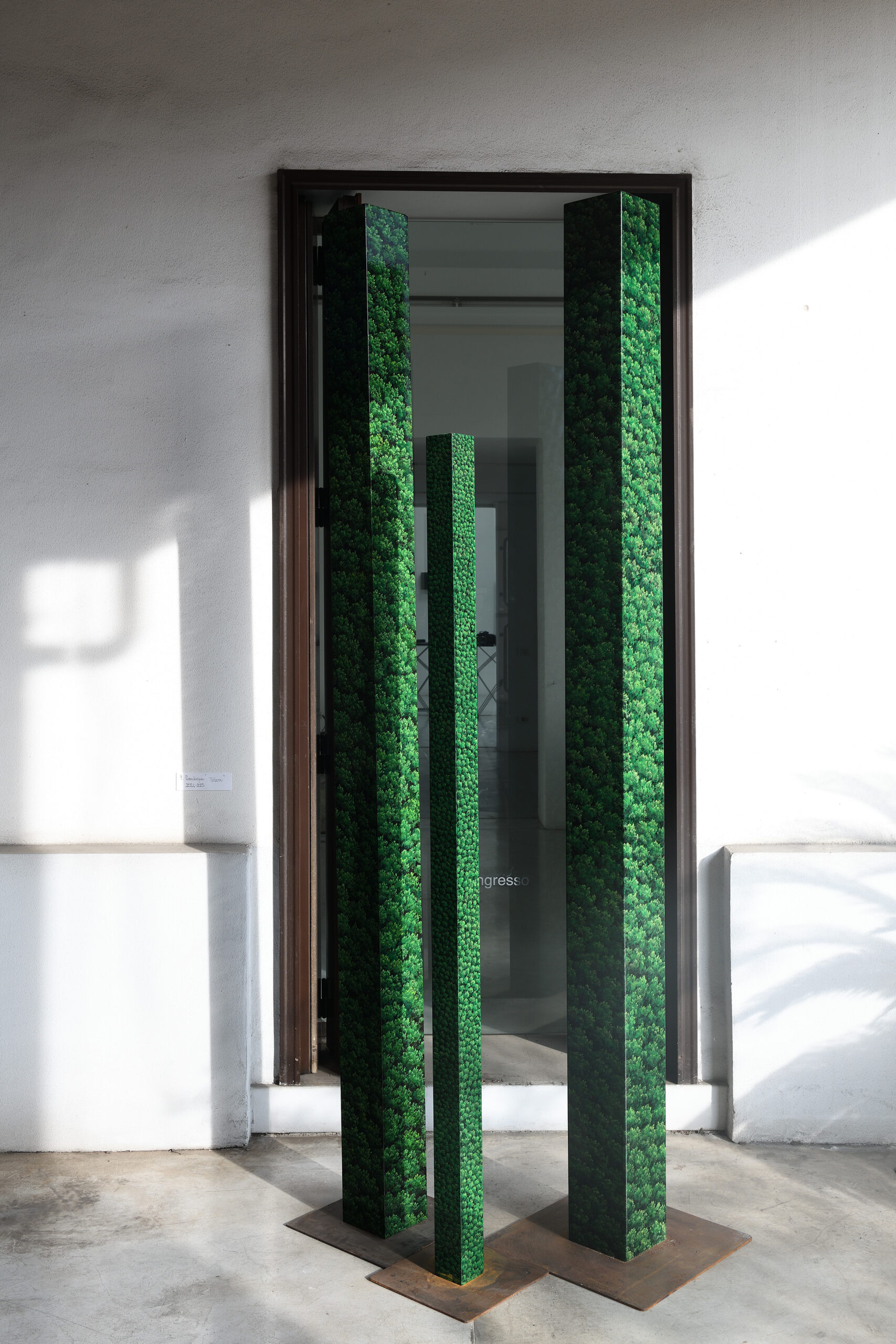
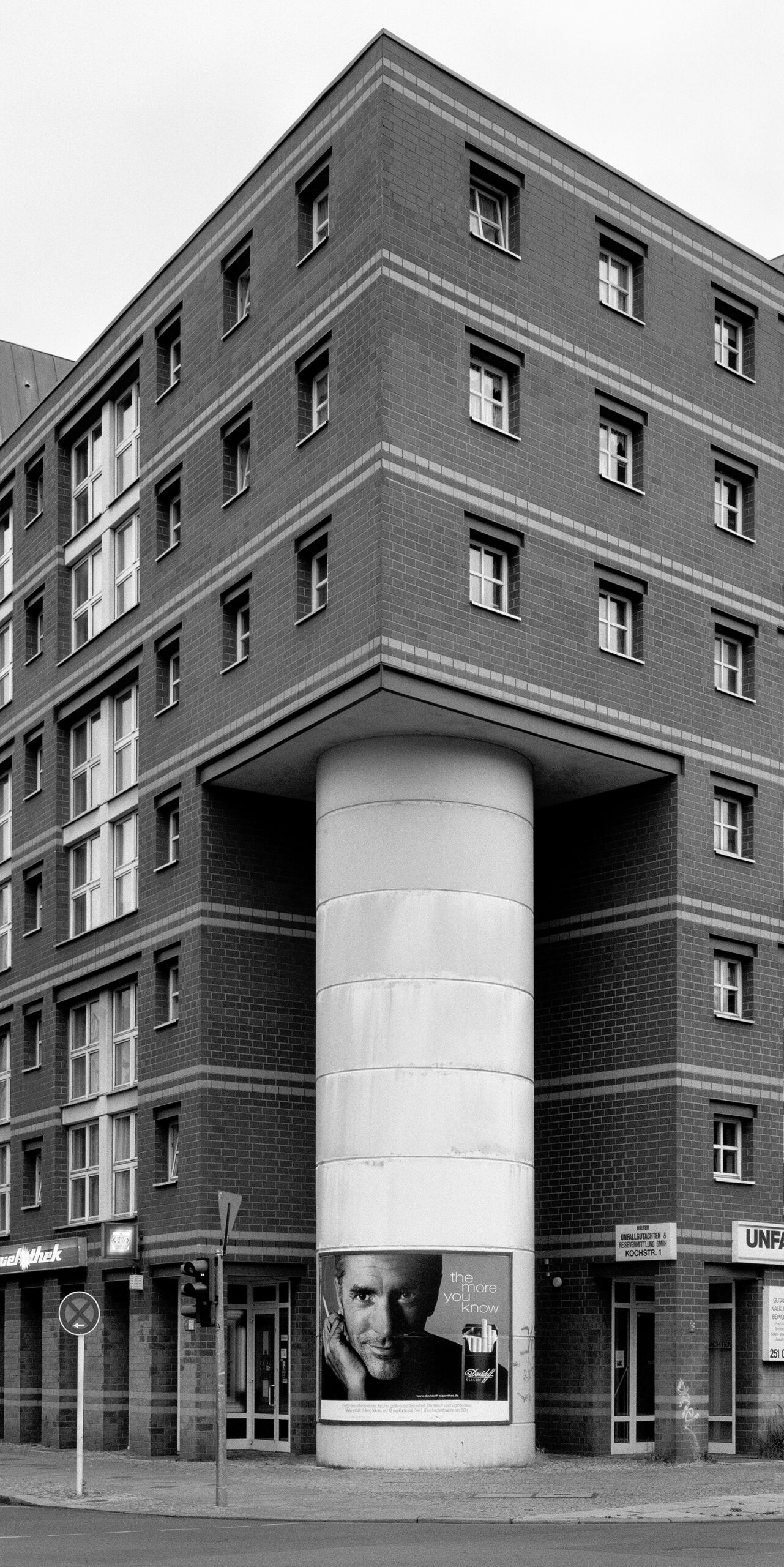
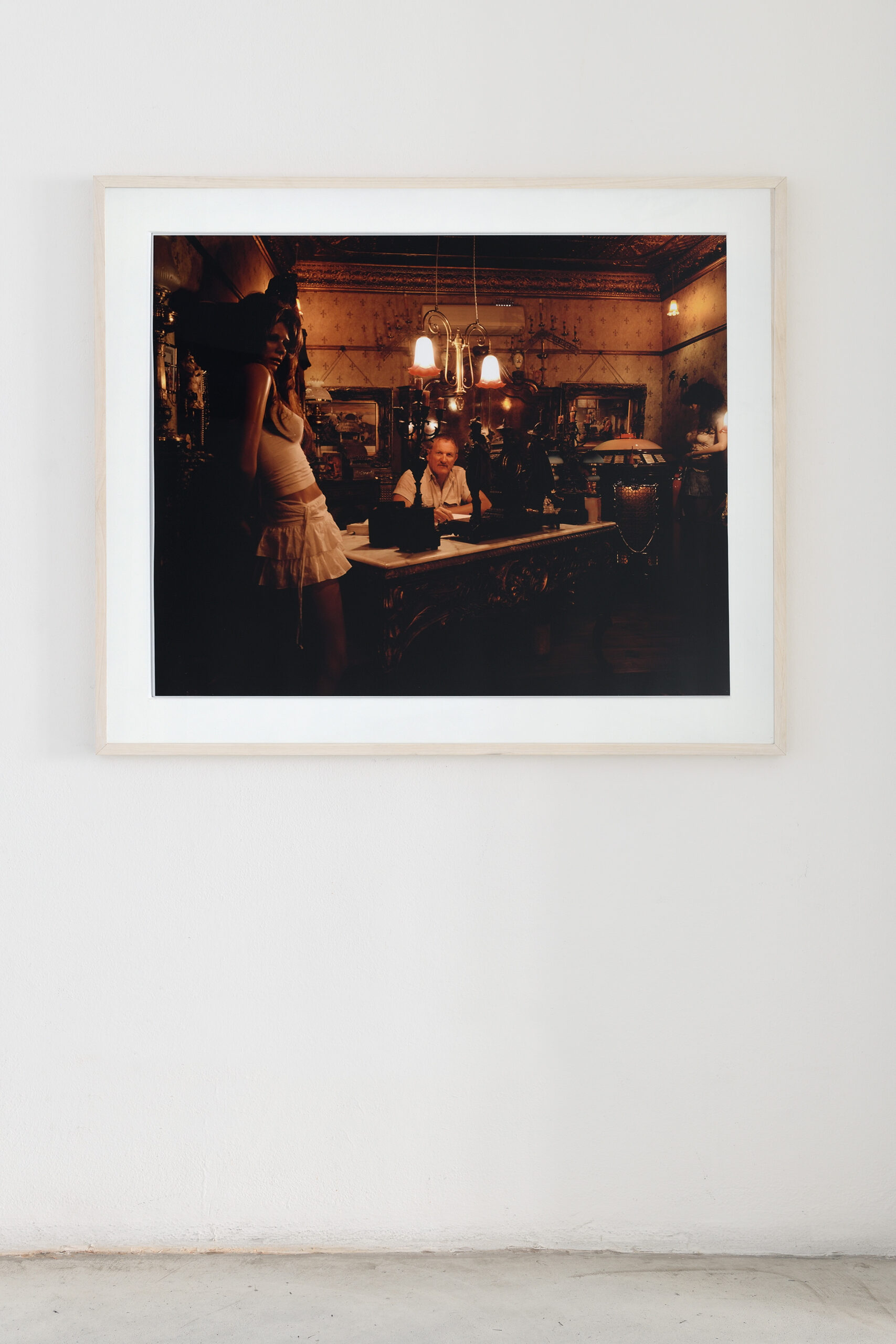
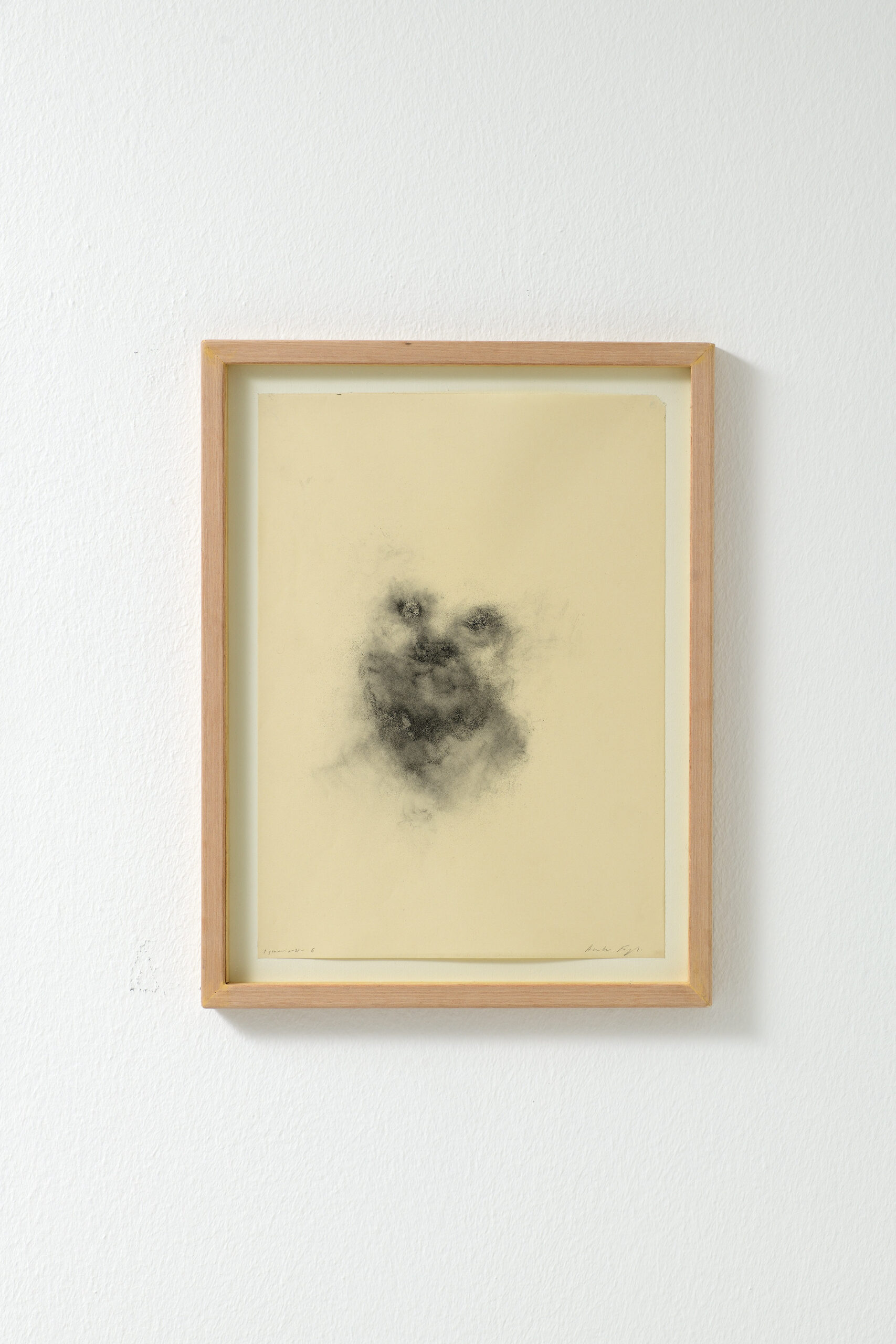
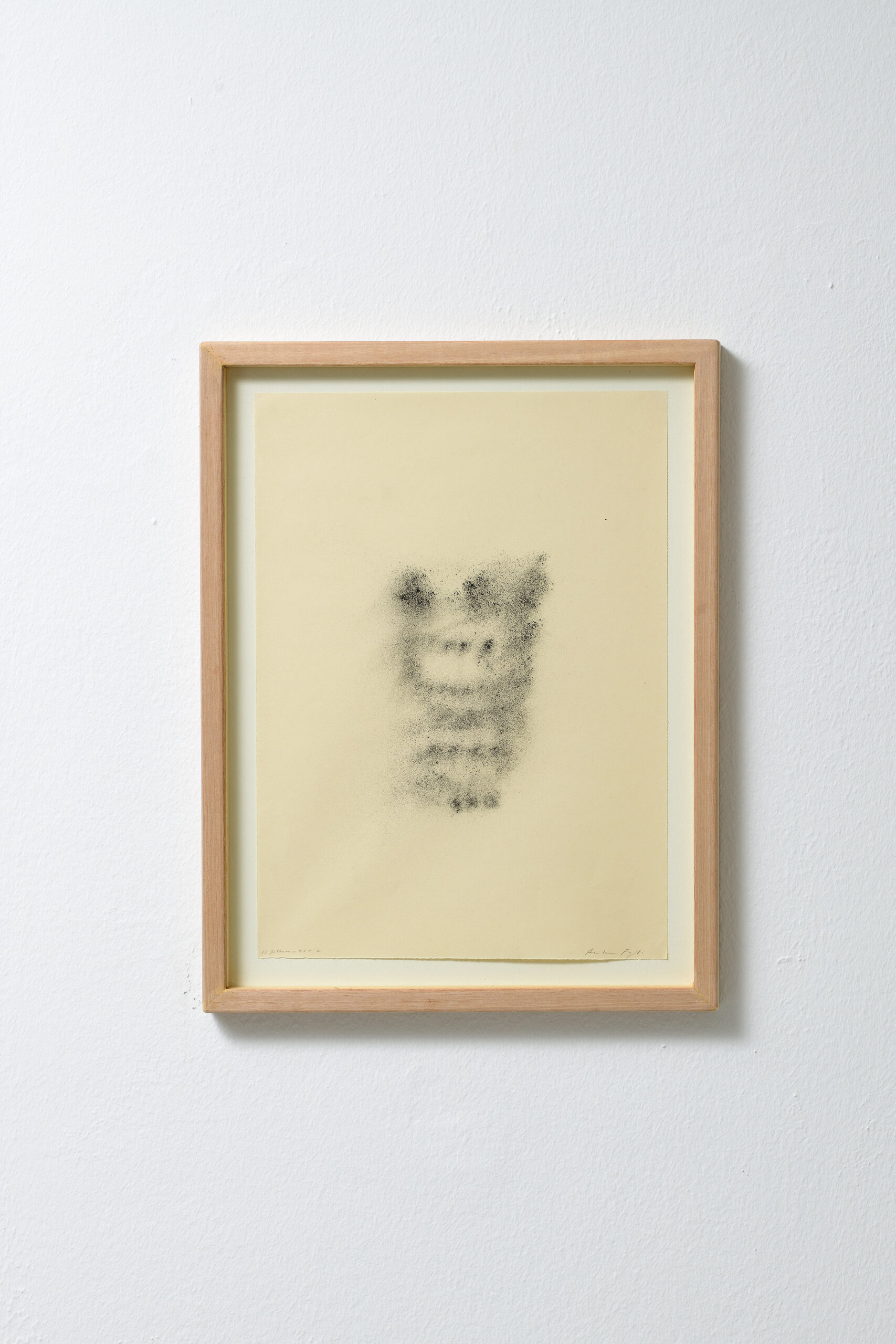
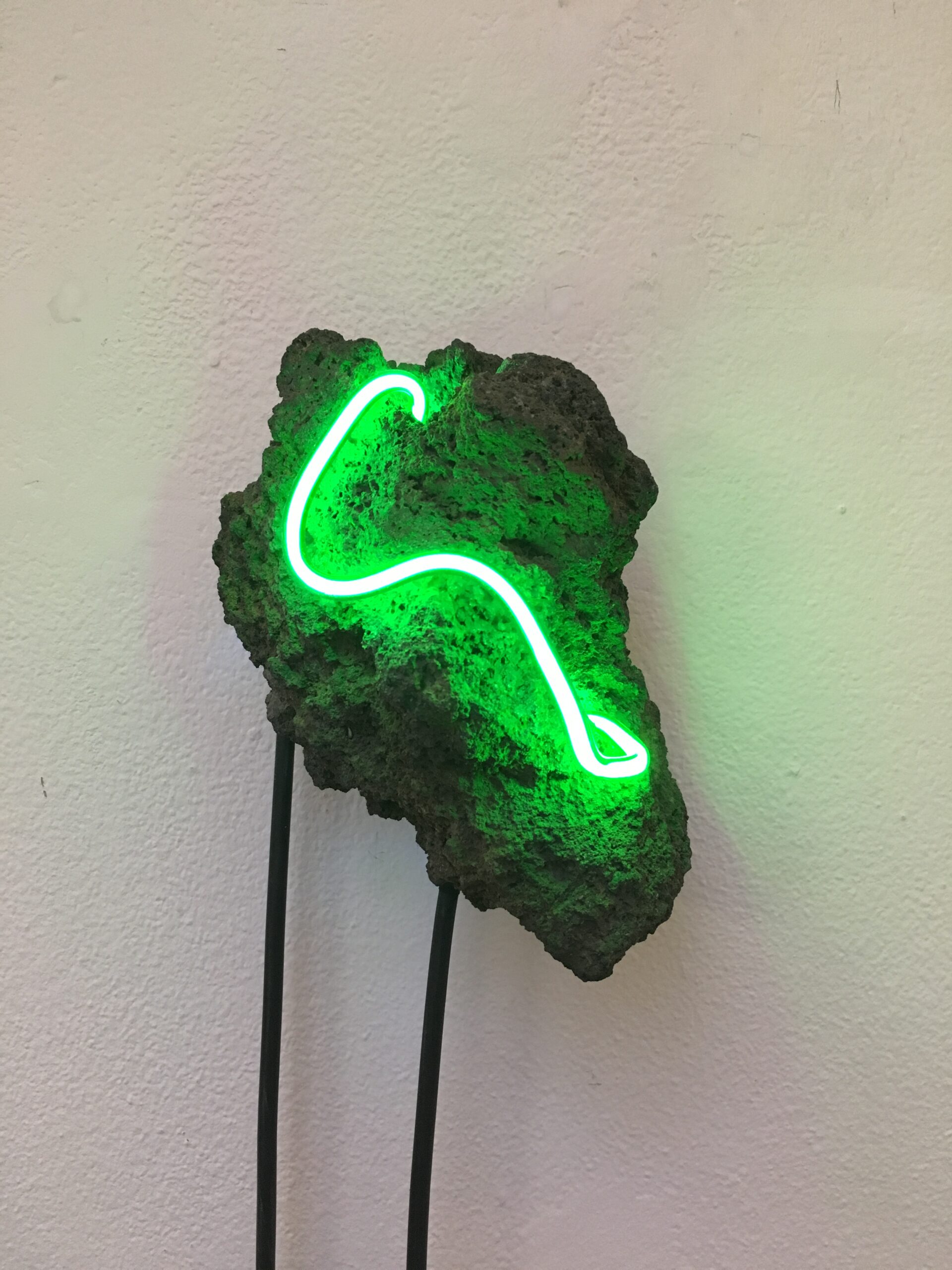
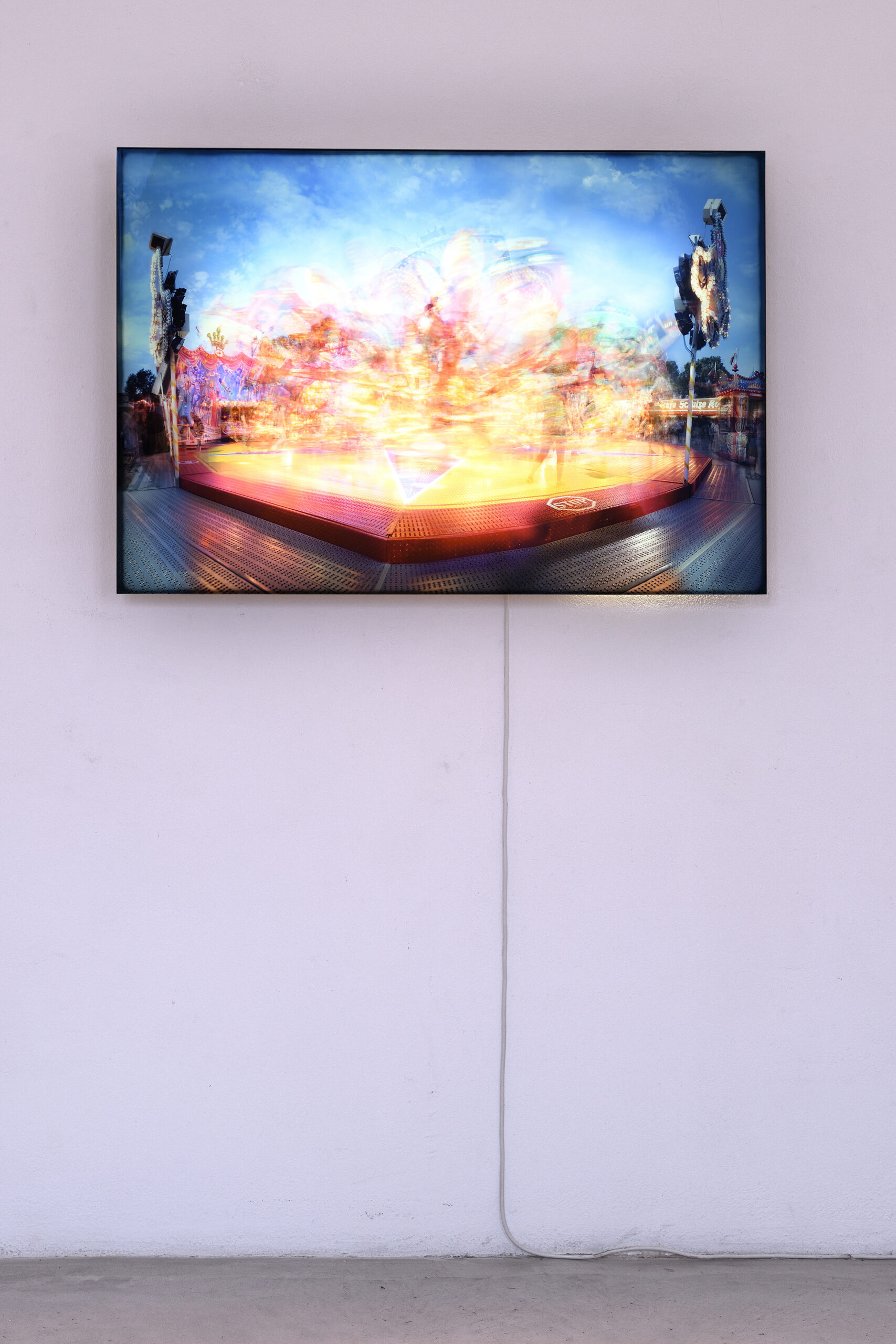
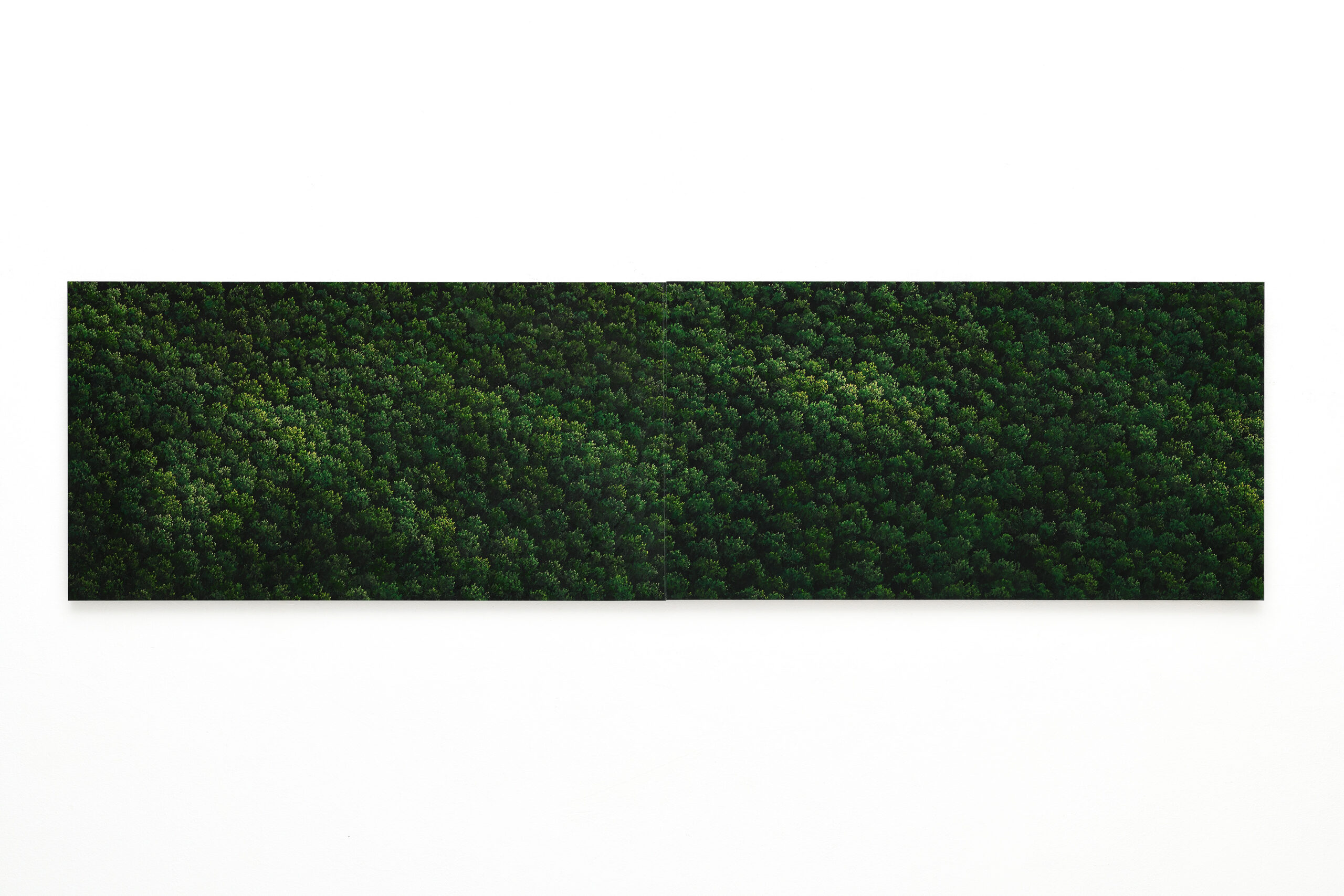
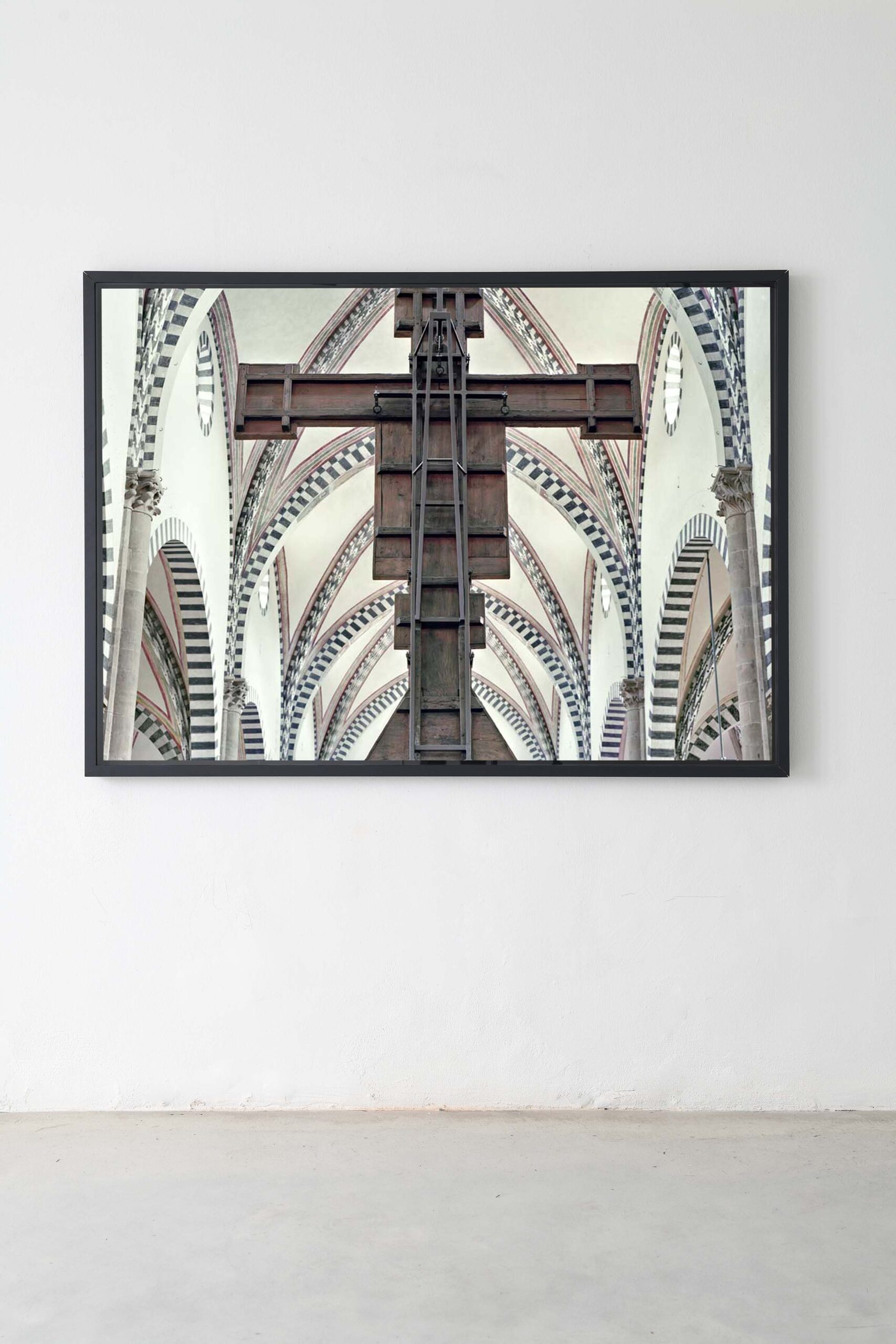
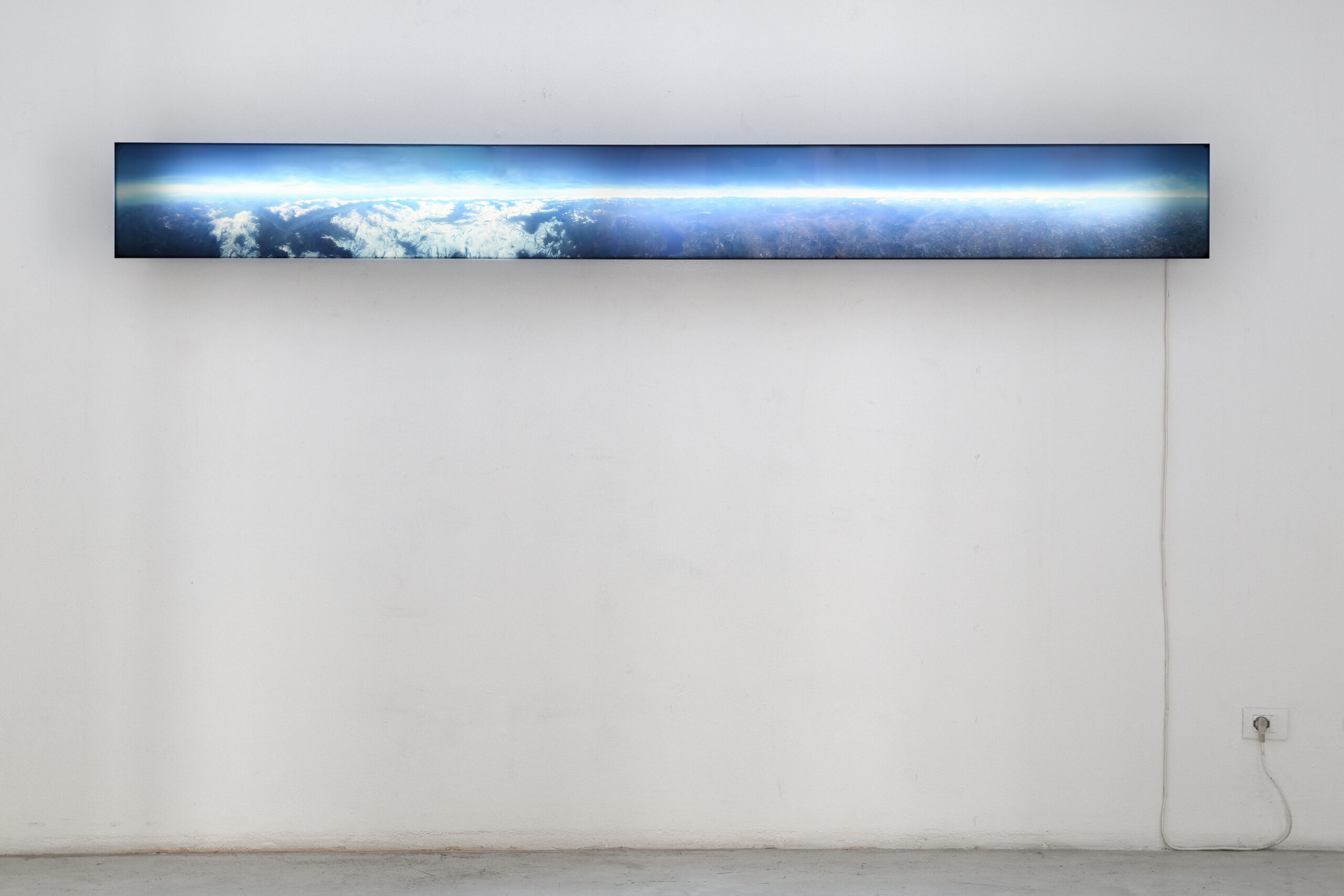
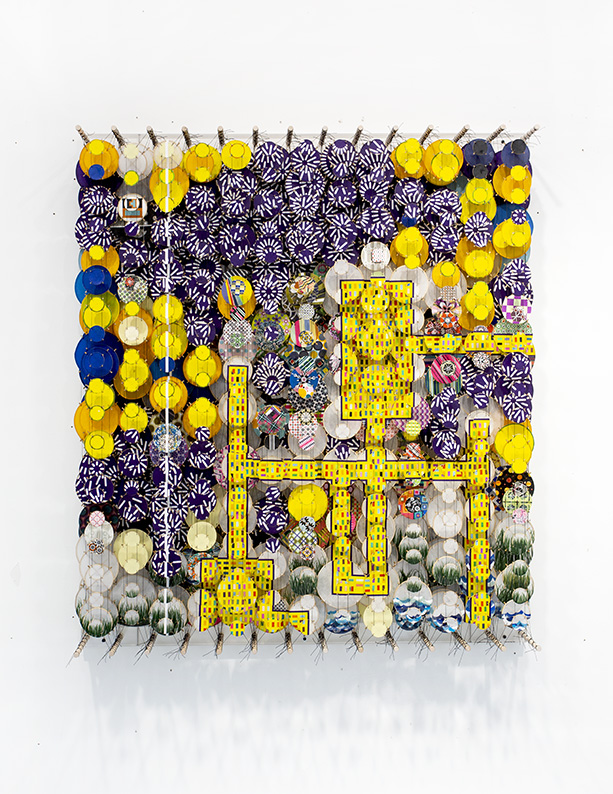
MAG2 is an exhibition that revisits, rearticulates, and reconnects, rooting itself in the exceptionally fertile ground of Studio la Città. The artists and works are associated and isolated with the greatest possible effort toward neutrality. It is true that the gallery’s trajectory has led to its institutionalization, yet the original thinking was sacred; from that value the present takes form, and from it the future will branch out.
Studio la Città, 2025
Studio la Città
Lungadige Galtarossa, 21 37133 Verona – Italy
Until February 28, 2026










No posts found!