
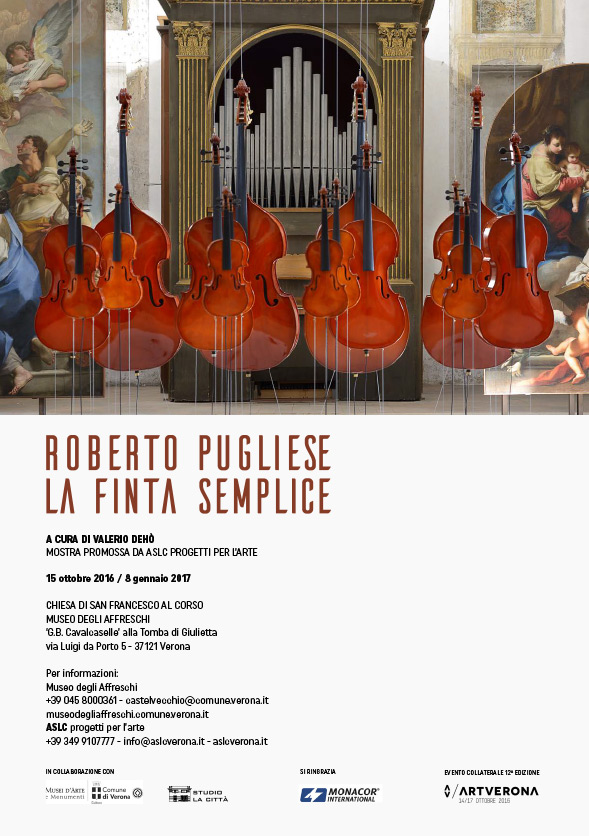
The work’s title refers to an opera giocosa by Wolfgang Amadeus Mozart with a libretto by Marco Coltellini based on a novella by Carlo Goldoni. It was premiered in 1769.
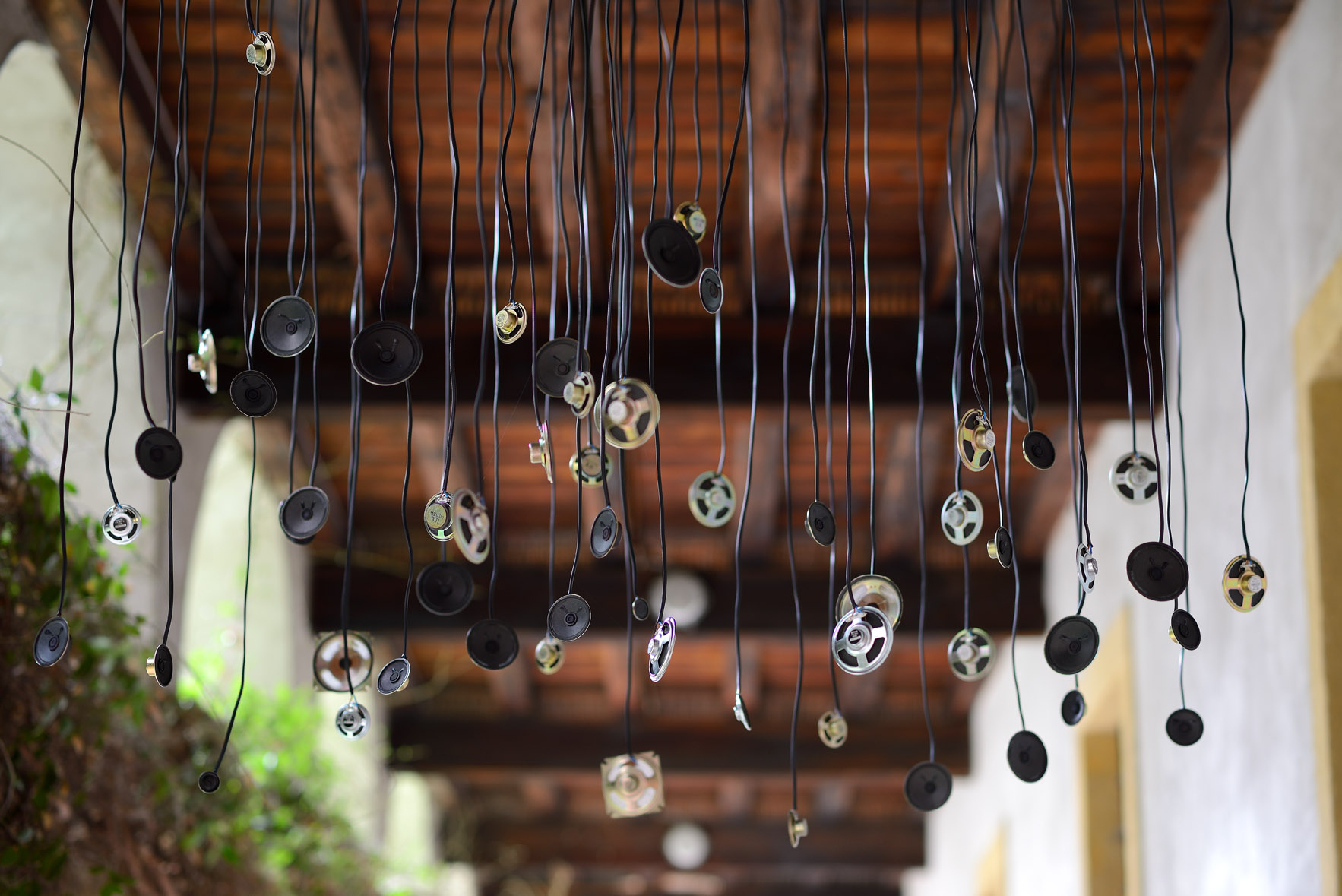
The allusion to Mozart is wholly in the title. Pugliese’s installation in the church of San Francesco al Corso continues the artist’s investigation into “music to be seen”, into the relationship between visual and auditory imagination, and into the deviations and confluences that by now characterise the contemporary world. A composer of electronic music and a performer, Roberto Pugliese has by now a well-defined presence in the field of researches into art and music. His site-specific installations put together different sound worlds that are expressed with a visual impact of great emotive appeal, one that manages to express the complexity of elaborating projects. The artist follows all the stages of the conceptual development and the technical realisation of the works. As a result Pugliese is an artist who manages to perfectly integrate his various media into a setting of strong perception and immediate enjoyment.
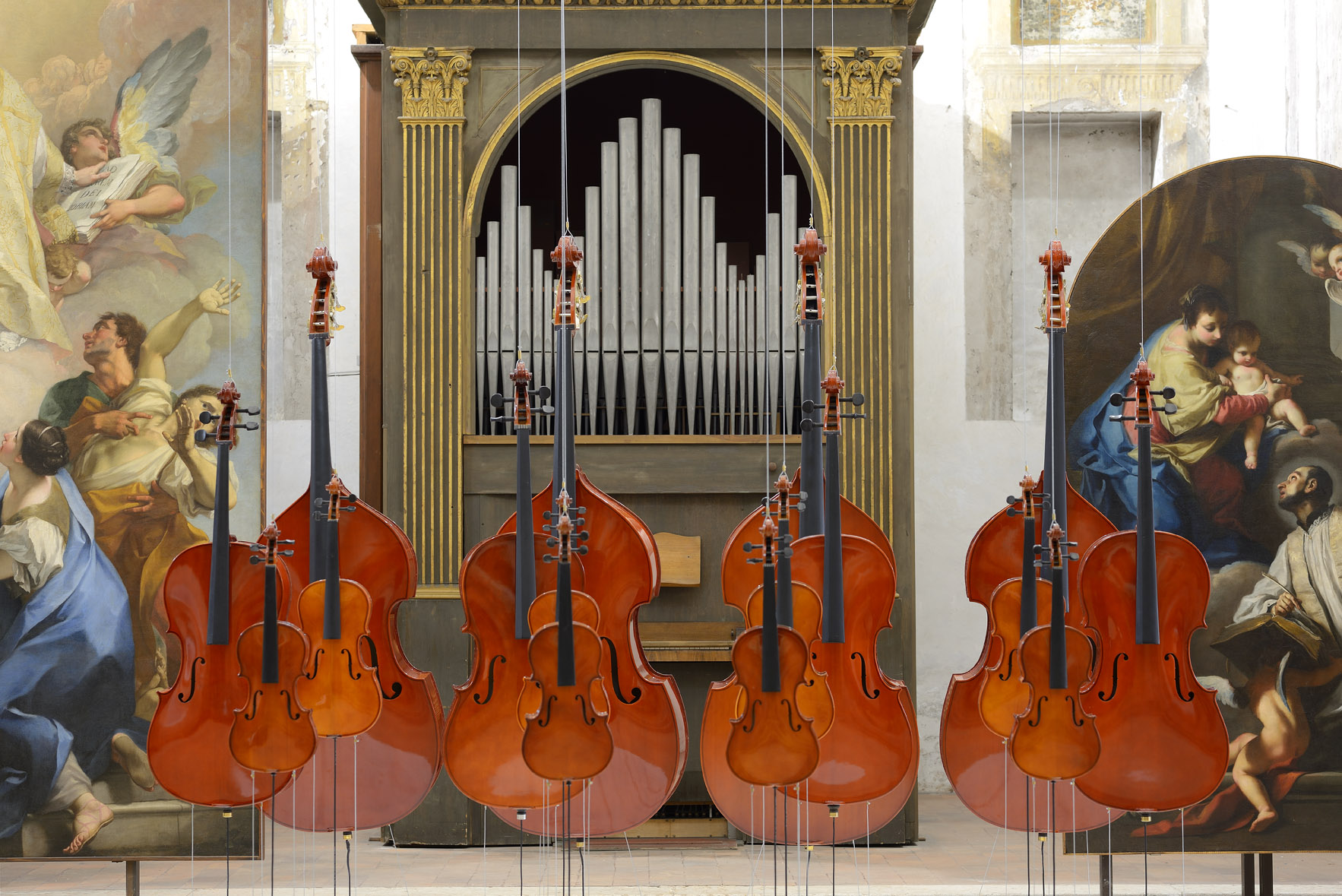
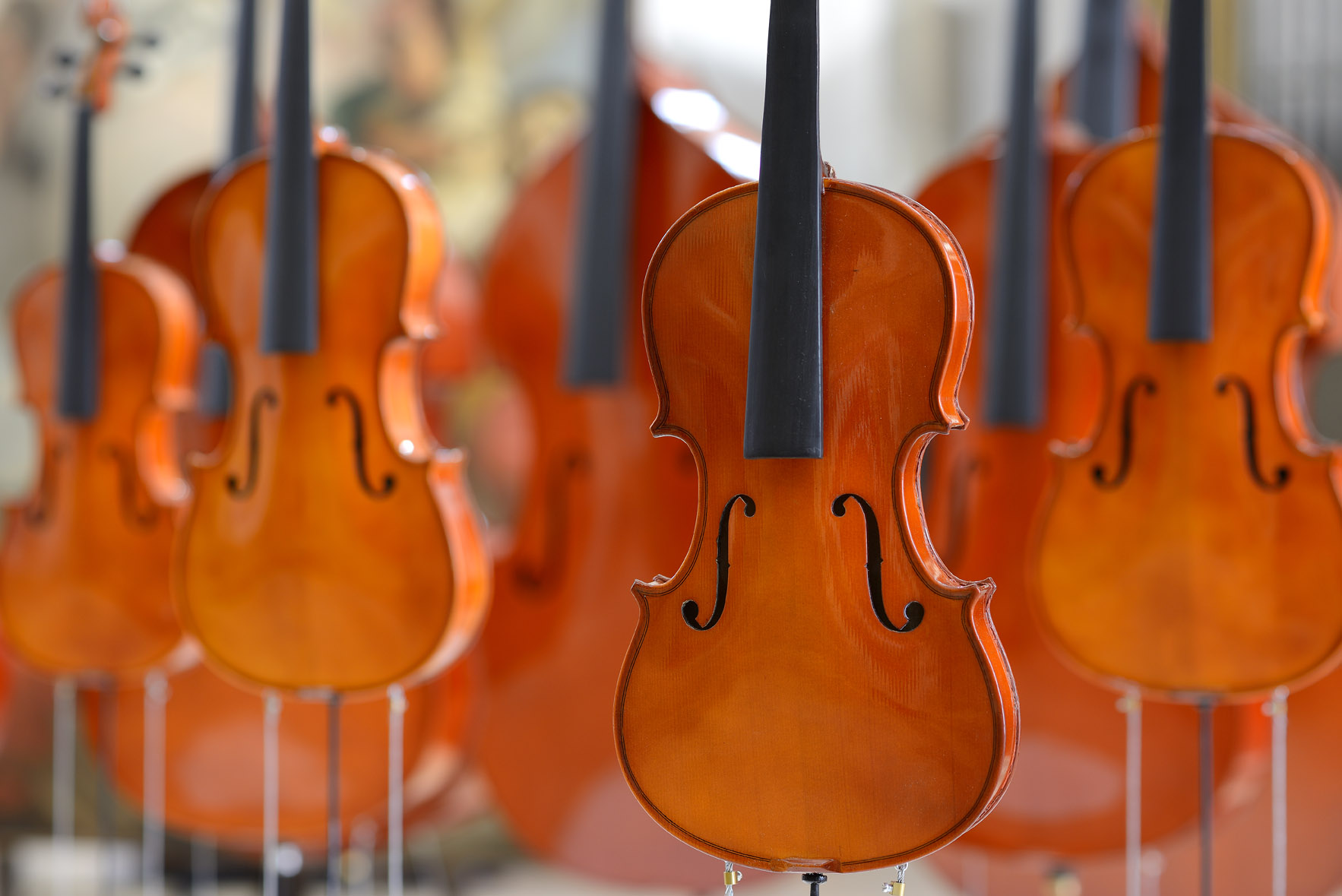
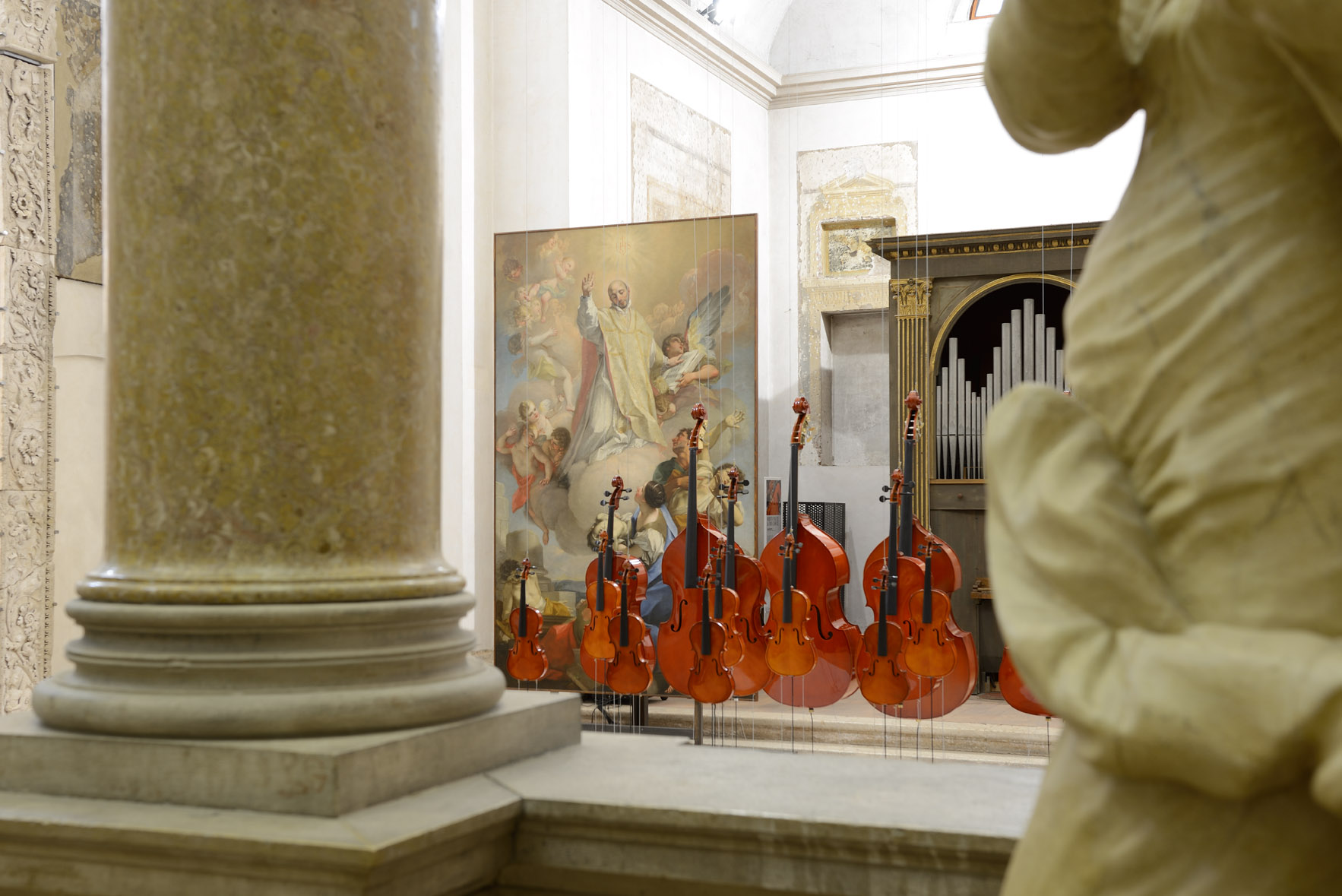
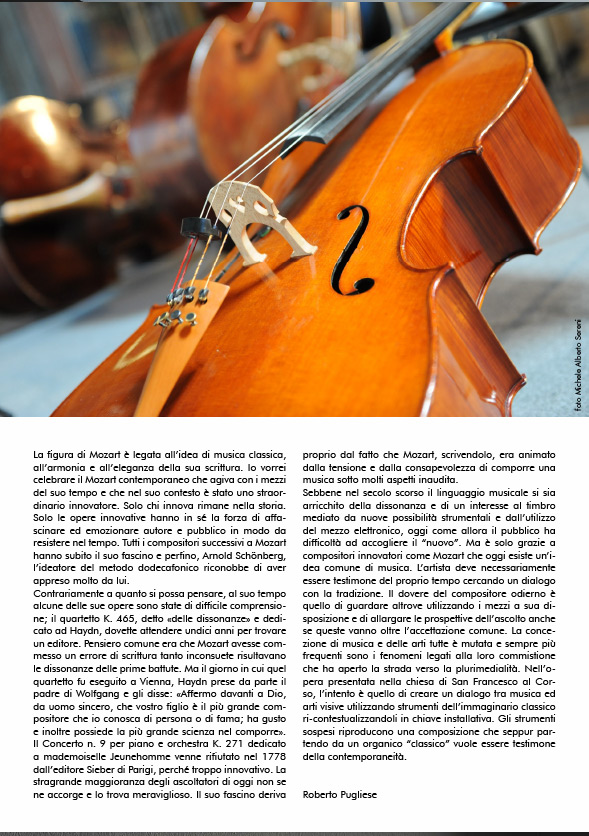
The installation consists of 16 musical instruments (four cellos, four violins, four violas, and four double basses) placed at various heights and positions in the church of San Francesco al Corso. These elements are the witnesses to and symbols of the classical music imagery that we all possess. The composition results from a long development of electronic sequences and instrumental pieces, and creates a unique story in sound that fills and envelops the whole setting. The music and the instruments create a subtle play of allusions and expectations in the public, and relates what is seen and heard to personal imagination. With Roberto Pugliese everything seems “natural”, the digital and analogue universes coexist, and artistic and musical vision (and visionariness) possess that finta semplicità, that fake simplicity, that is a characteristic of important works, of works that have strength and autonomy. A young artist can be a perfect witness of his own times without burning his boats, by searching for and finding a dialogue between the new (which is always necessary) and tradition.
Valerio Dehò
Museo degli affreschi “G.B. Cavalcaselle”
Via Luigi da Porto, 5, Verona, Italy
2016