
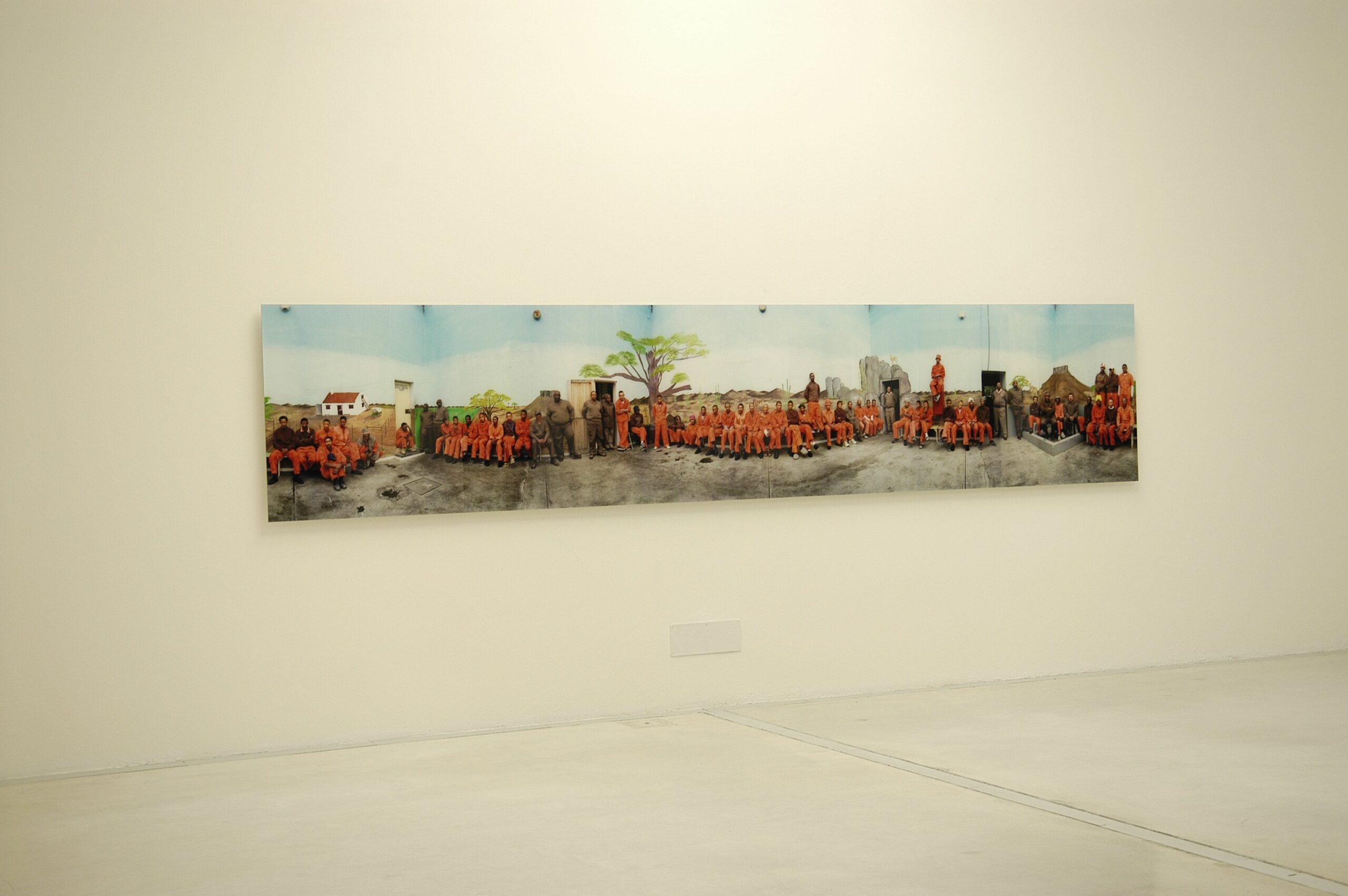
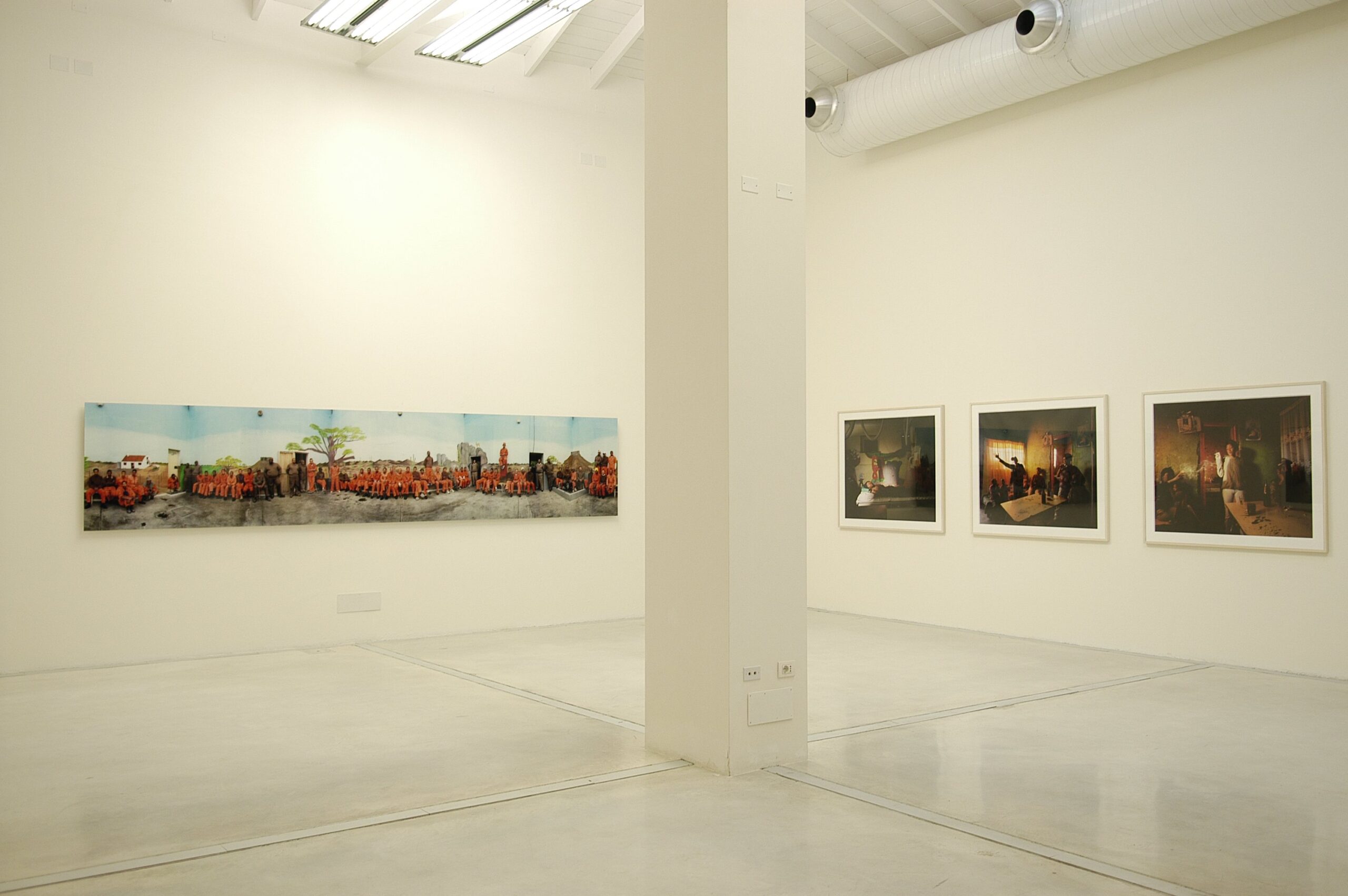
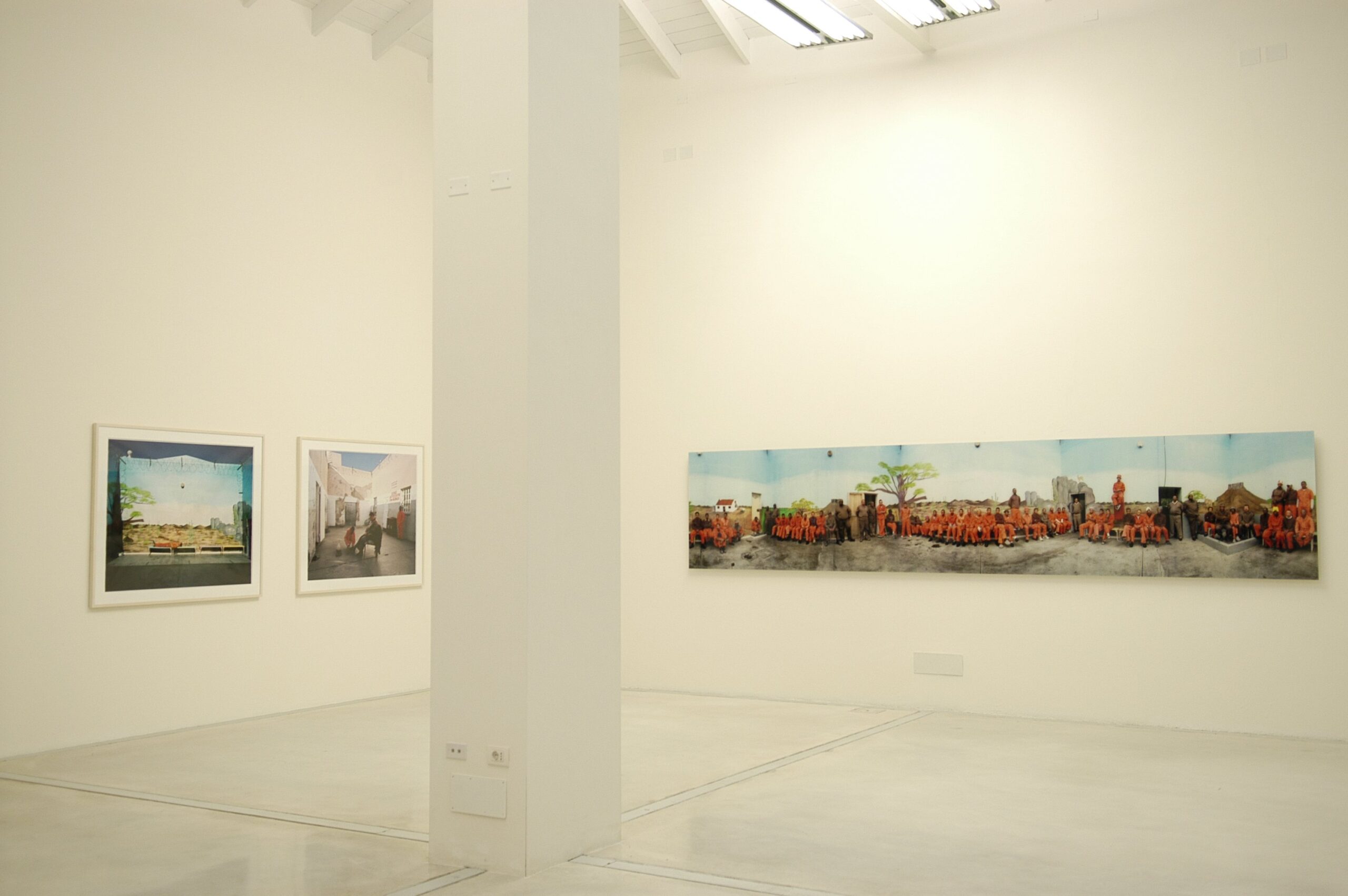
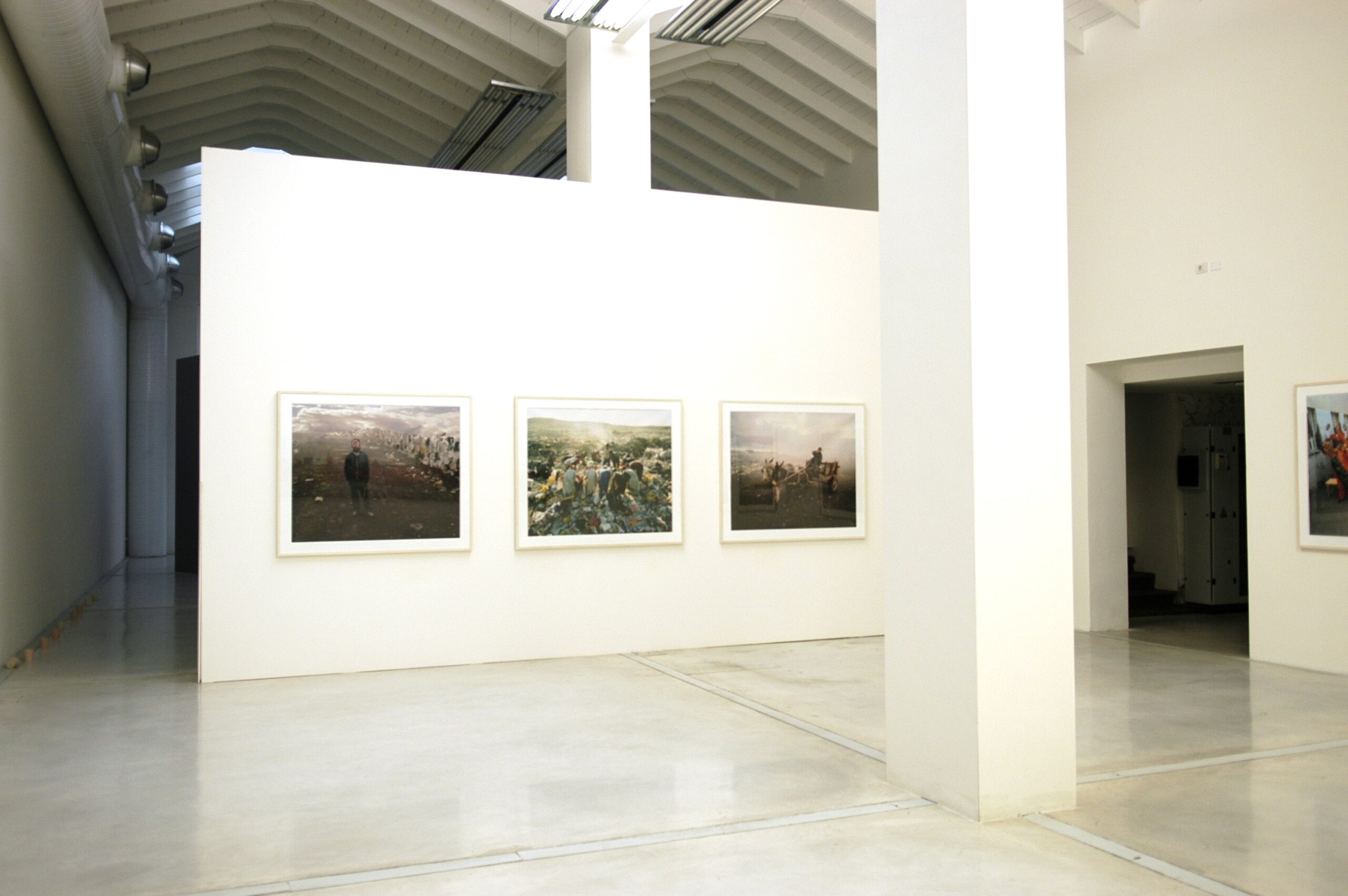
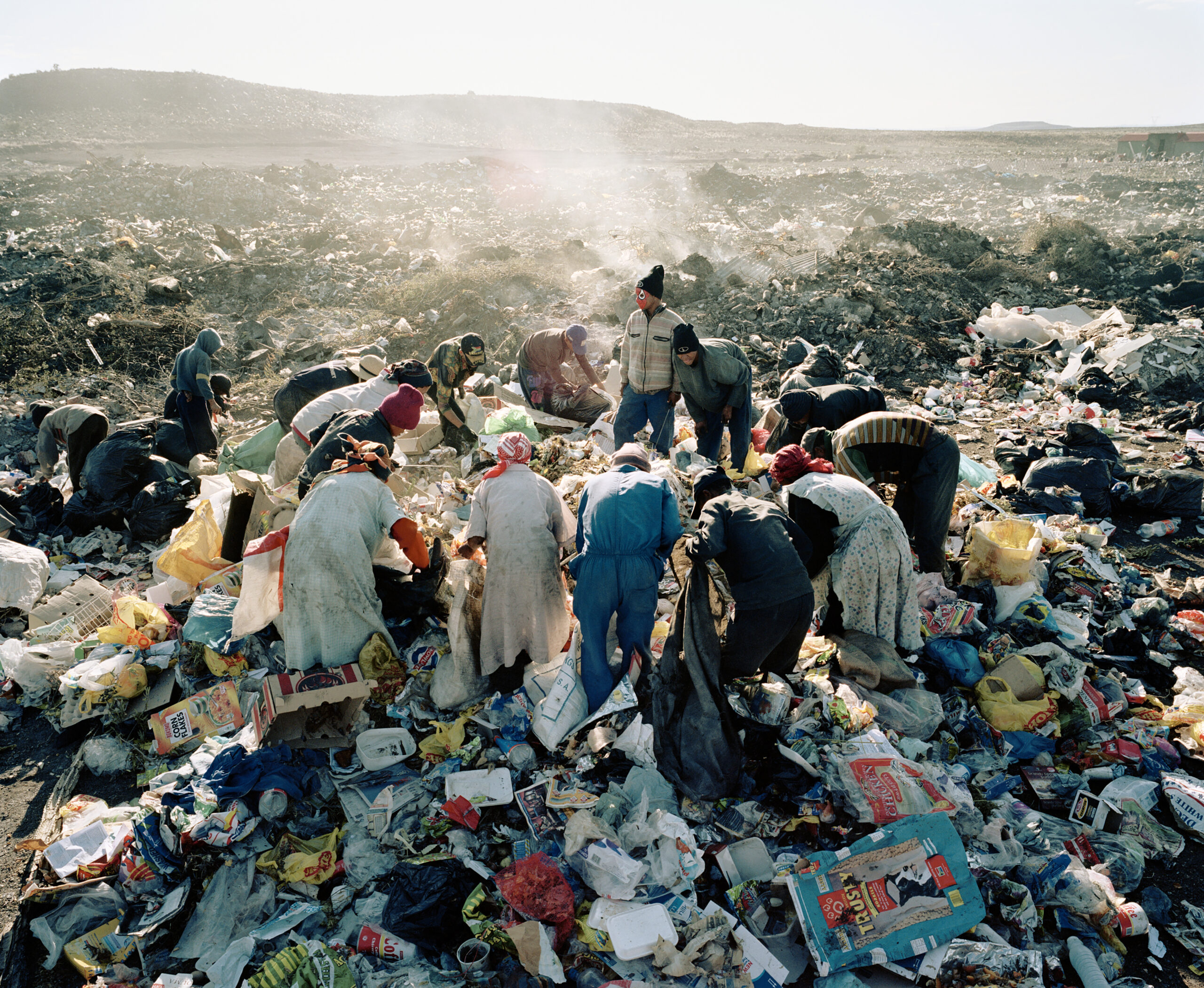
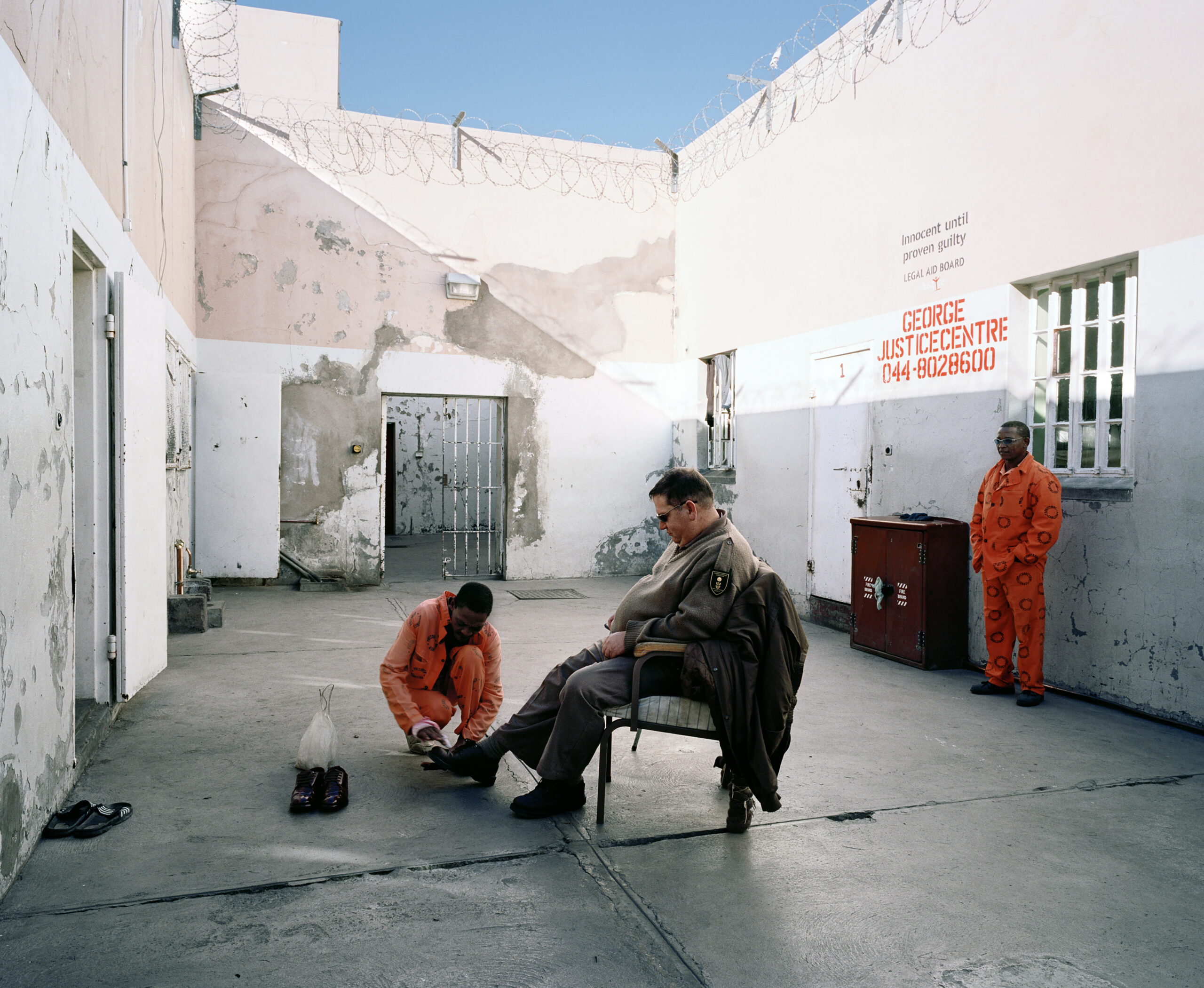
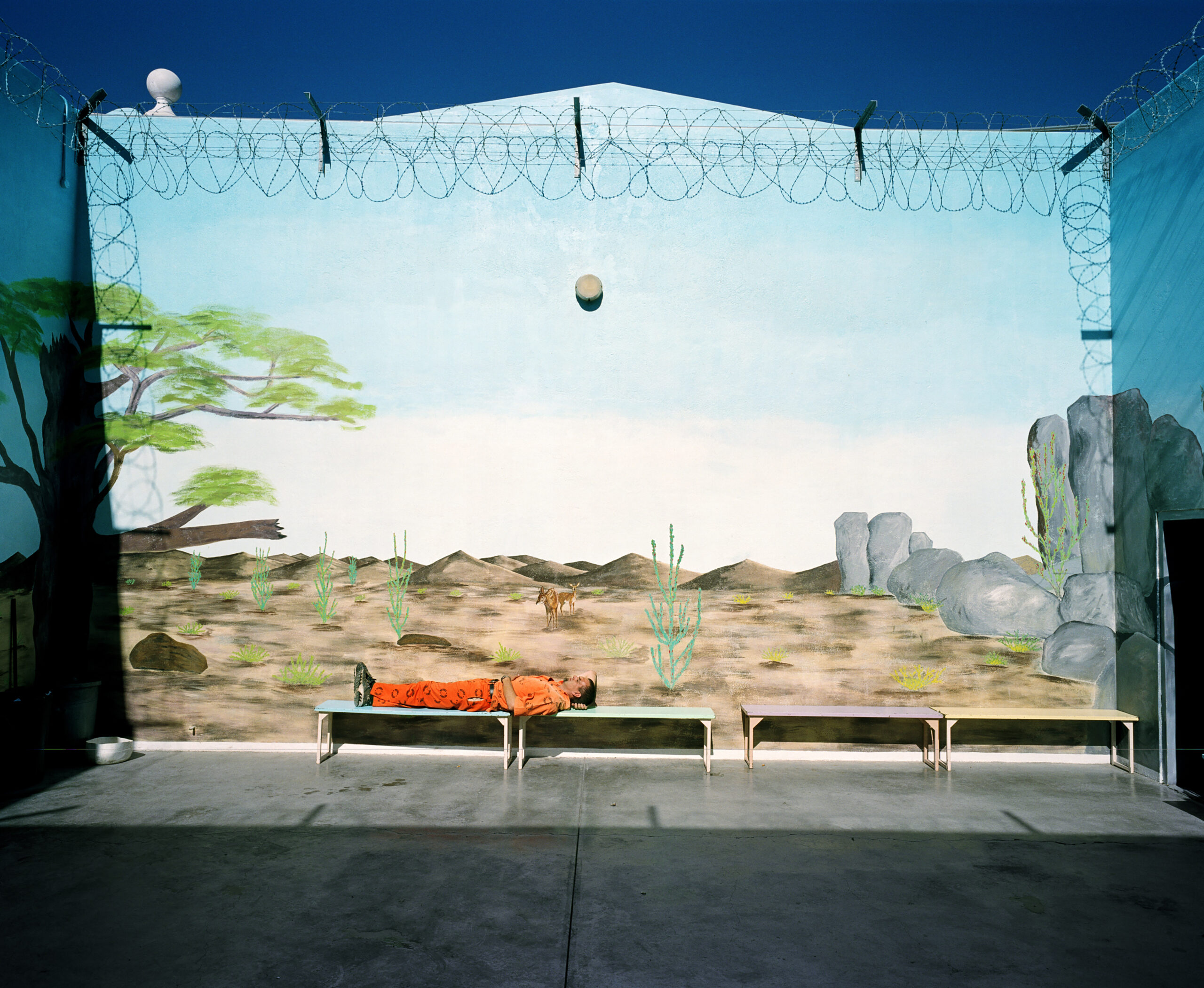
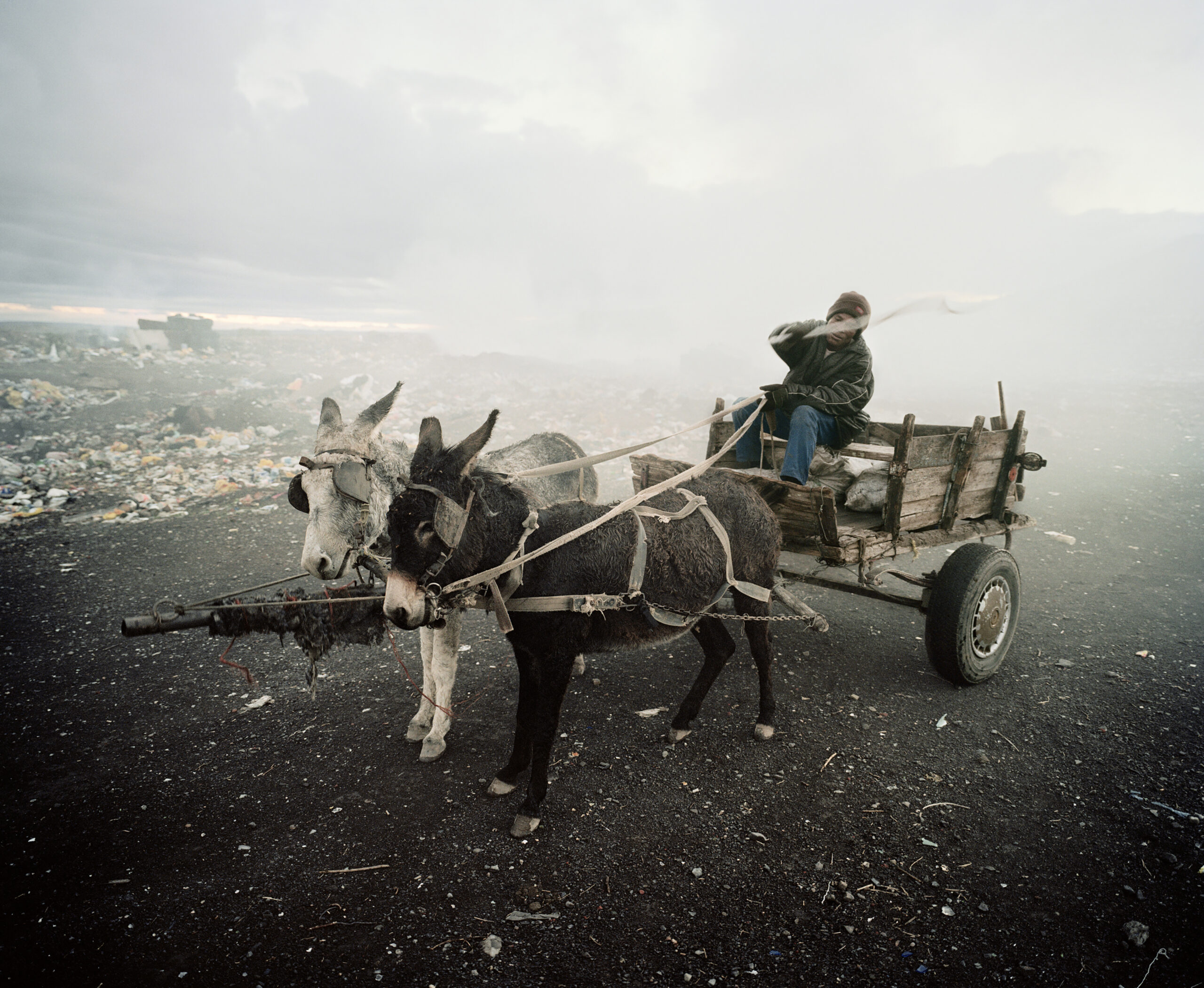
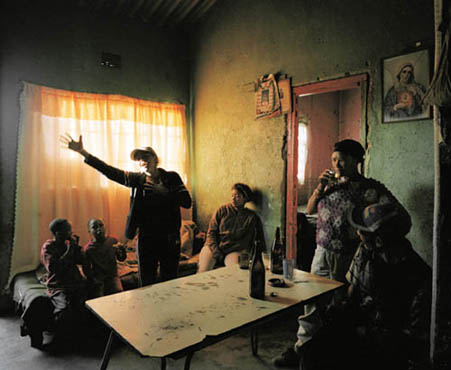
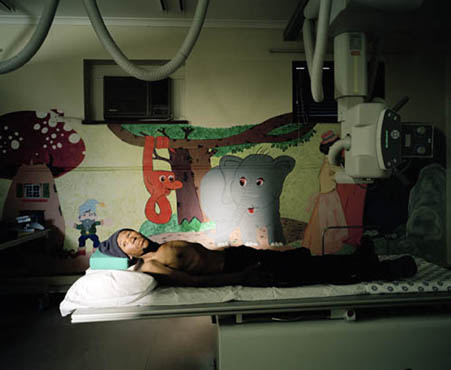
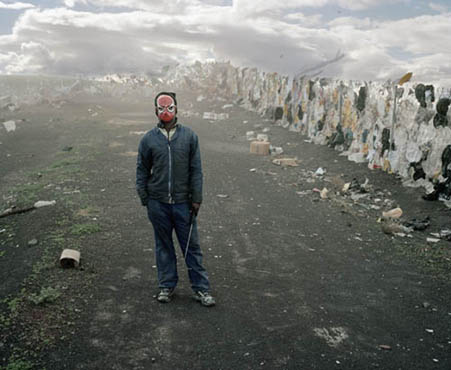
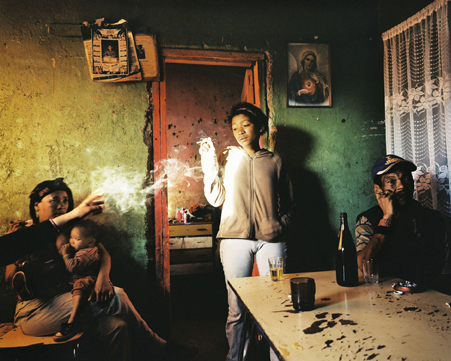
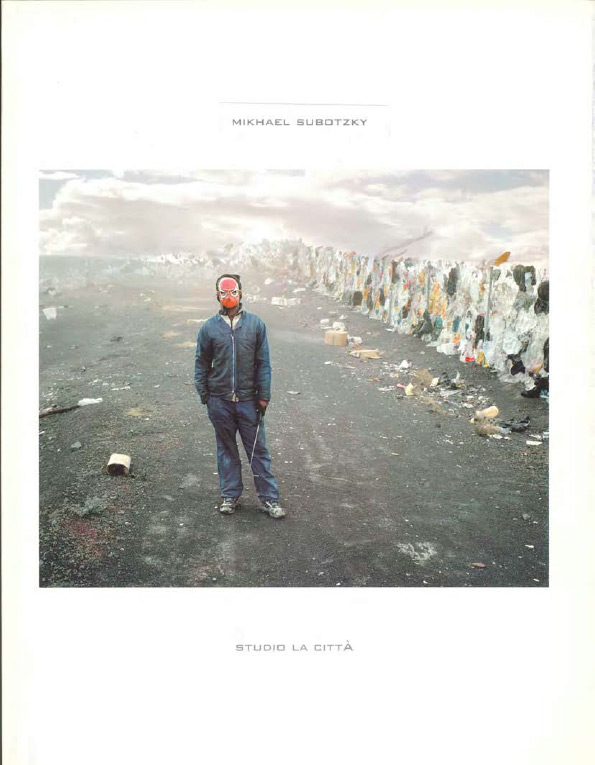
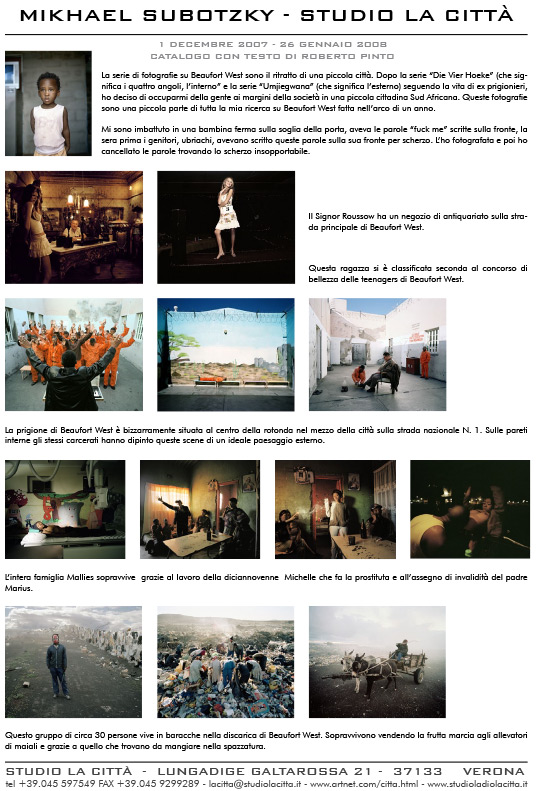
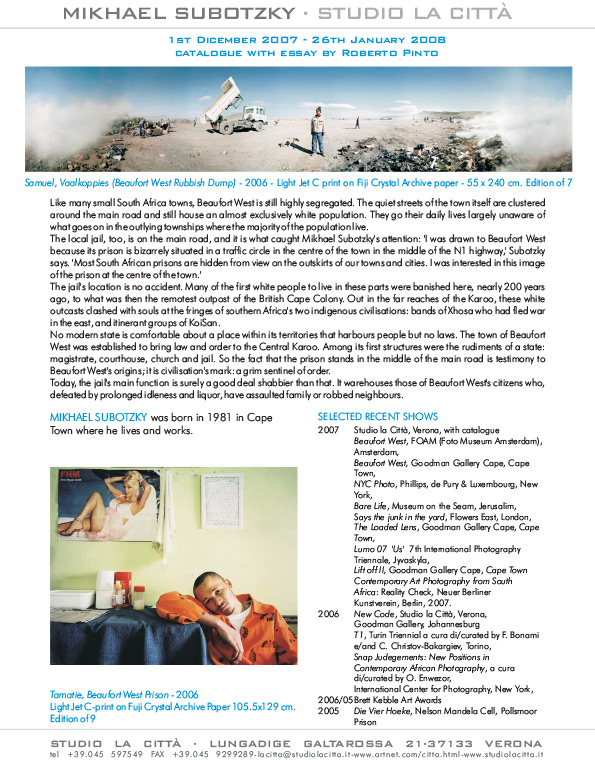
Two pieces of Beaufort West stand between its unemployed citizens and isolation: the national freeway and the local prison.
For some two or three kilometres, the N1, the great highway that traces South Africa’s north/south axis, becomes Beaufort’s West’s main street. About a million people pass through each year, and in the evenings, an assortment of the town’s 37 000 residents come out to meet them. They offer all the commodities a night traveller might want: food, drink and petrol, a place to stay, an hour’s worth of sex.
In exchange for their wares, Beaufort West’s people are preserving a frail connection with the world. Without its national road, this town, some three-quarters of its residents unemployed, would surely be lost unto itself.
Like many small South Africa towns, Beaufort West is still highly segregated. The quiet streets of the town itself are clustered around the main road and still house an almost exclusively white population. They go their daily lives largely unaware of what goes on in the outlying townships where the majority of the population live.
The local jail, too, is on the main road, and it is what caught Mikhael Subotzky’s attention: ‘I was drawn to Beaufort West because its prison is bizarrely situated in a traffic circle in the centre of the town in the middle of the N1 highway,’ Subotzky says. ‘Most South African prisons are hidden from view on the outskirts of our towns and cities. I was interested in this image of the prison at the centre of the town.’
The jail’s location is no accident. Many of the first white people to live in these parts were banished here, nearly 200 years ago, to what was then the remotest outpost of the British Cape Colony. Out in the far reaches of the Karoo, these white outcasts clashed with souls at the fringes of southern Africa’s two indigenous civilisations: bands of Xhosa who had fled war in the east, and itinerant groups of KoiSan.
No modern state is comfortable about a place within its territories that harbours people but no laws. The town of Beaufort West was established to bring law and order to the Central Karoo. Among its first structures were the rudiments of a state: magistrate, courthouse, church and jail. So the fact that the prison stands in the middle of the main road is testimony to Beaufort West’s origins; it is civilisation’s mark: a grim sentinel of order.
Today, the jail’s main function is surely a good deal shabbier than that. It warehouses those of Beaufort West’s citizens who, defeated by prolonged idleness and liquor, have assaulted family or robbed neighbours.
And so all the unemployed, it seems, are drawn to the main road, some to hawk what they can sell, others to do time in the cells, listening to the thousands of cars that circle the prison before heading on.
| Jonny Steinberg
Studio la Città
Lungadige Galtarossa, 21 37133 Verona – Italy
2007