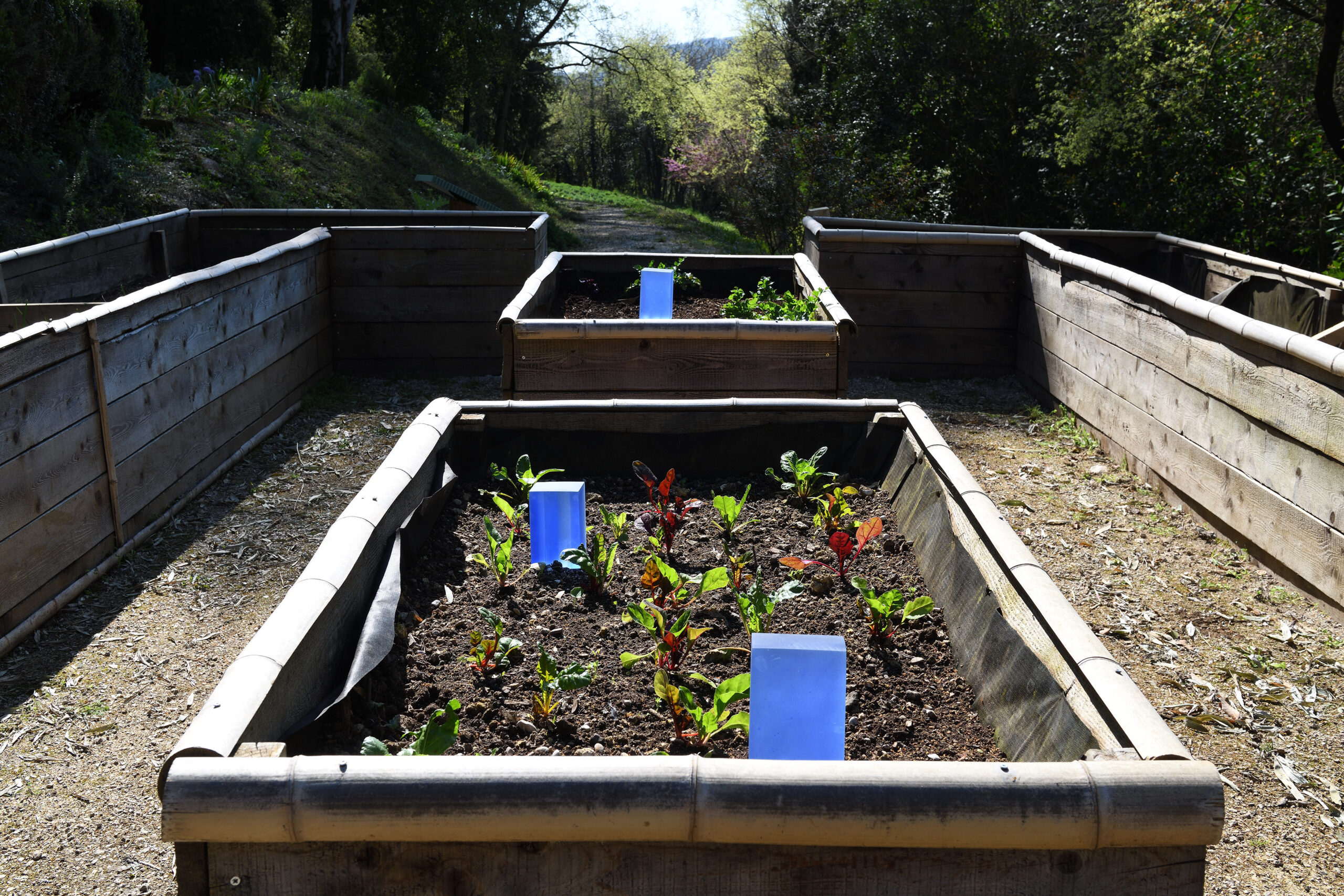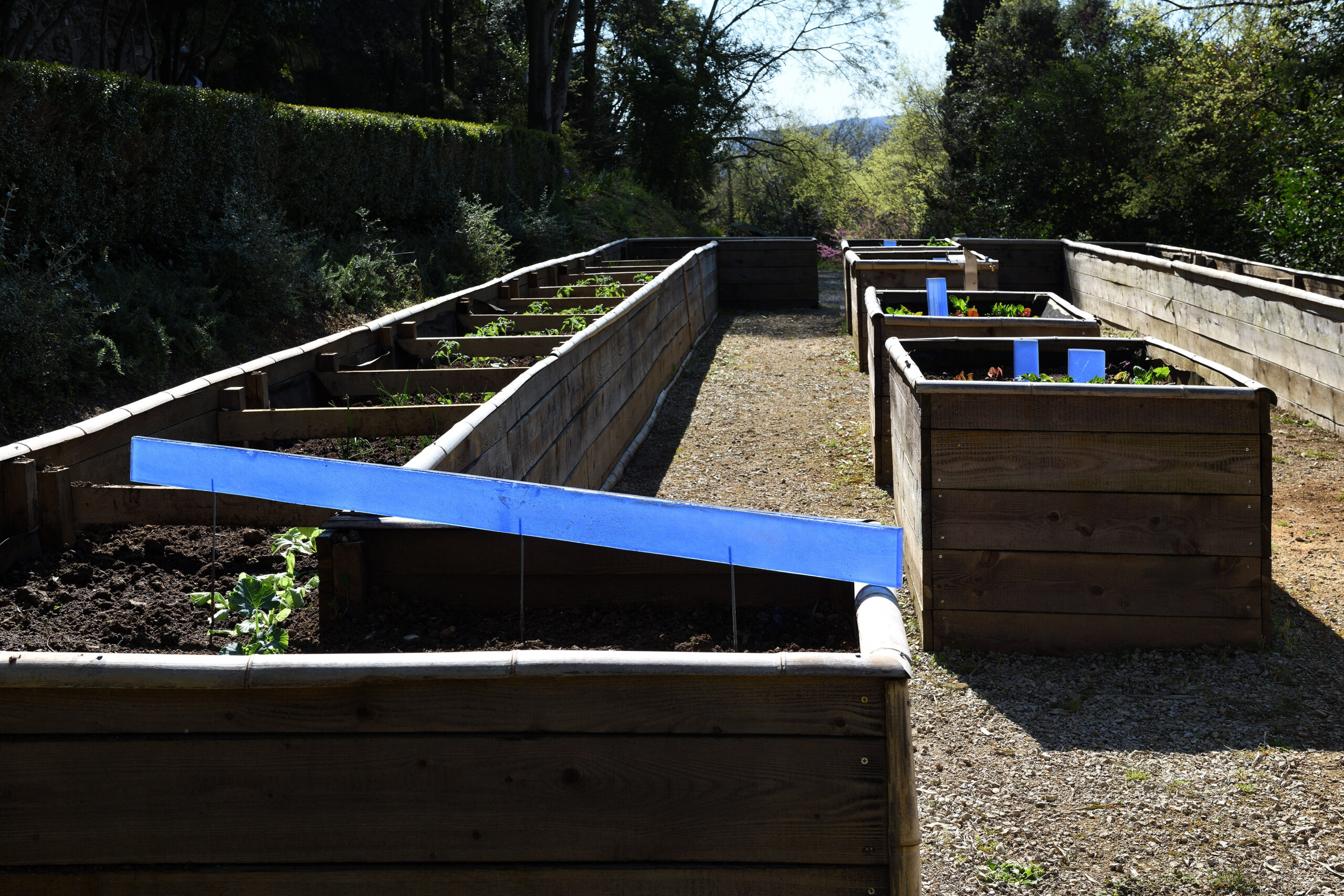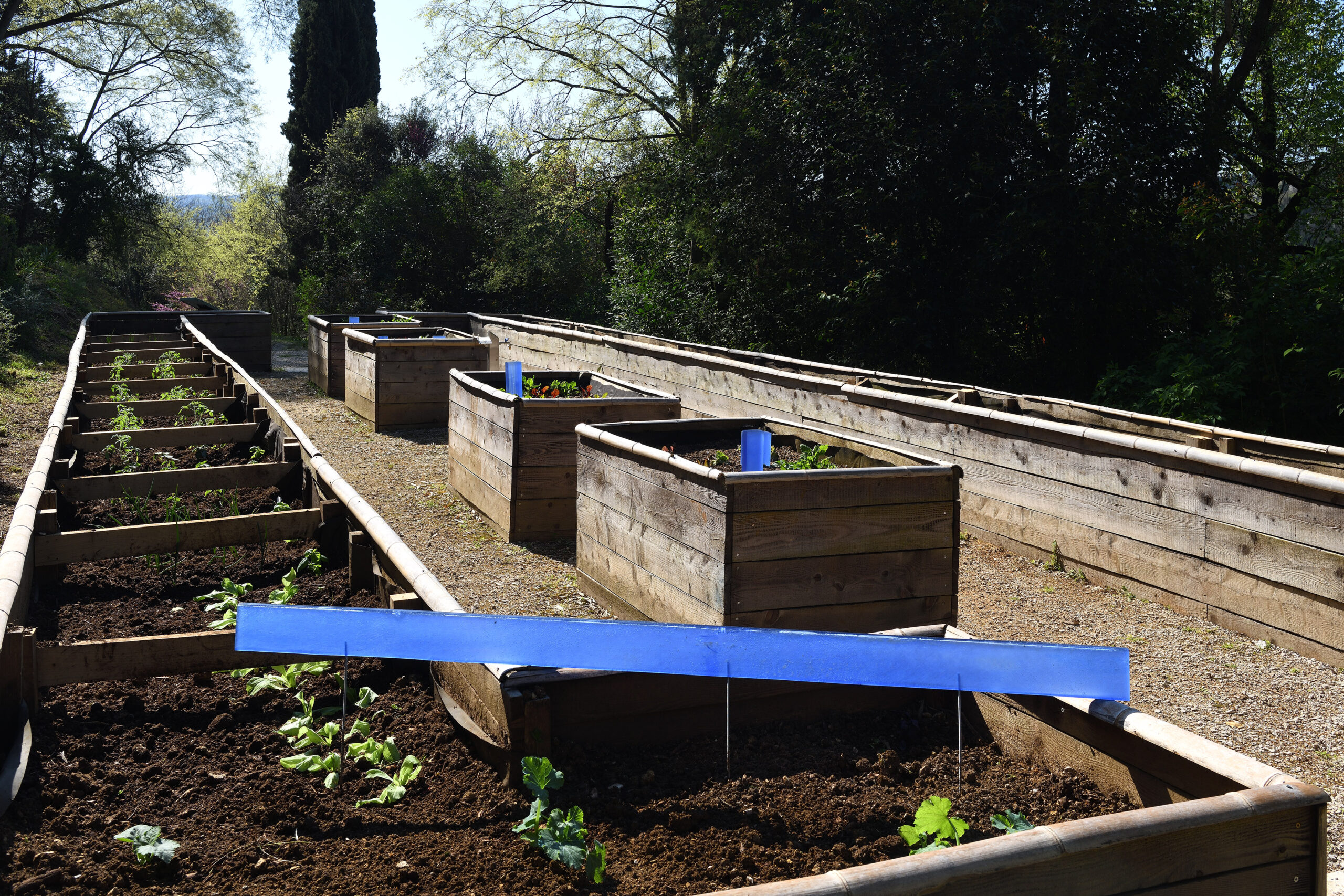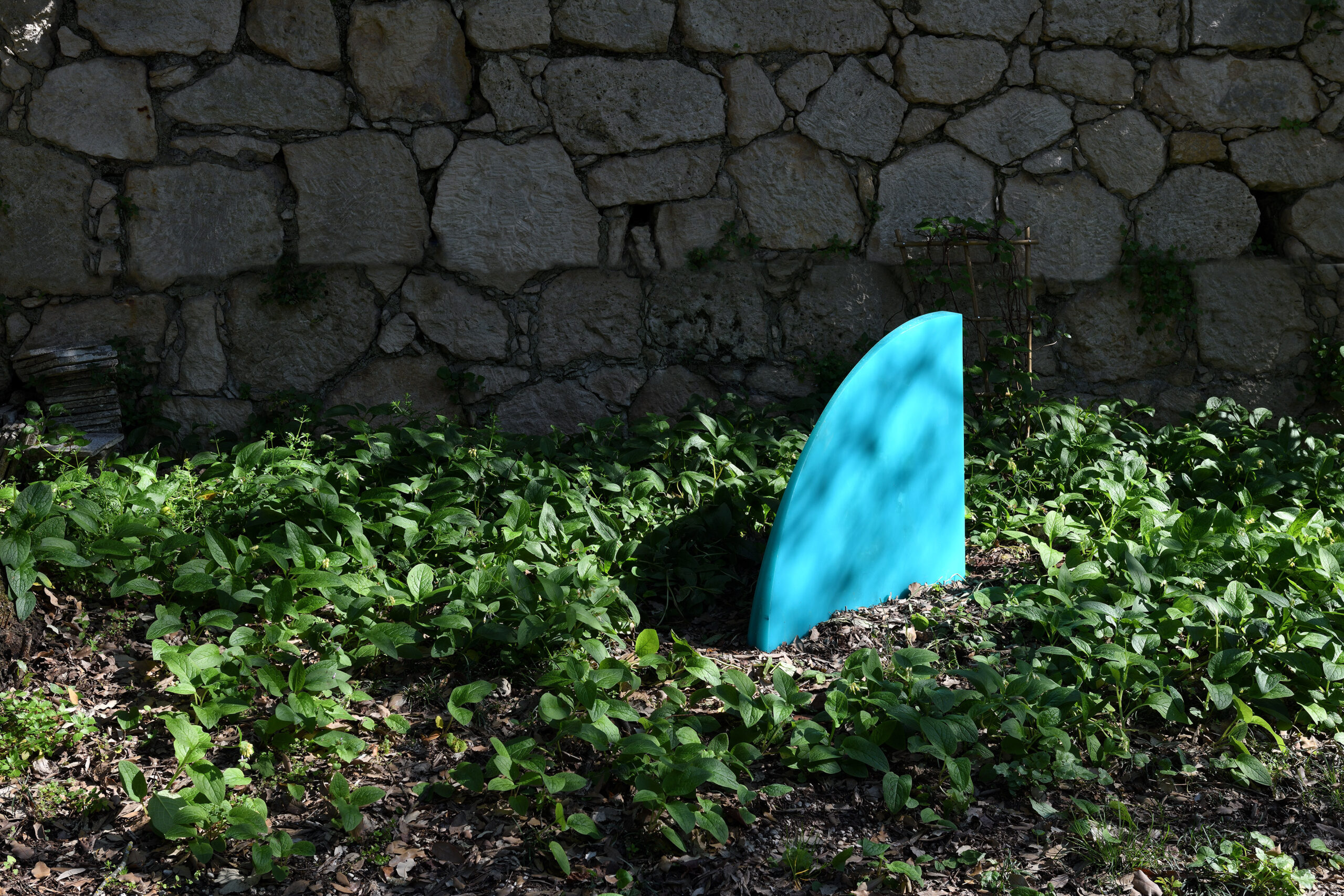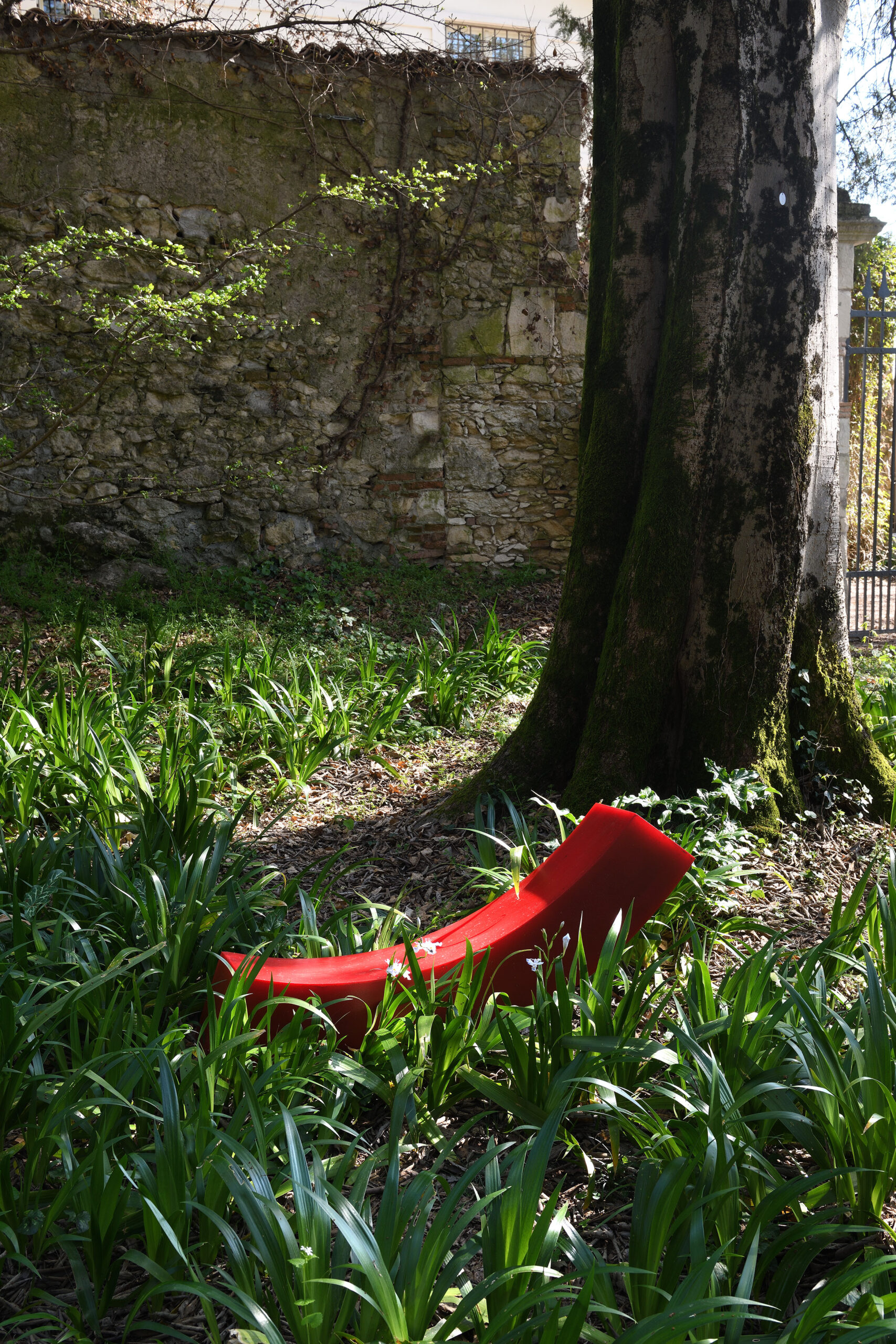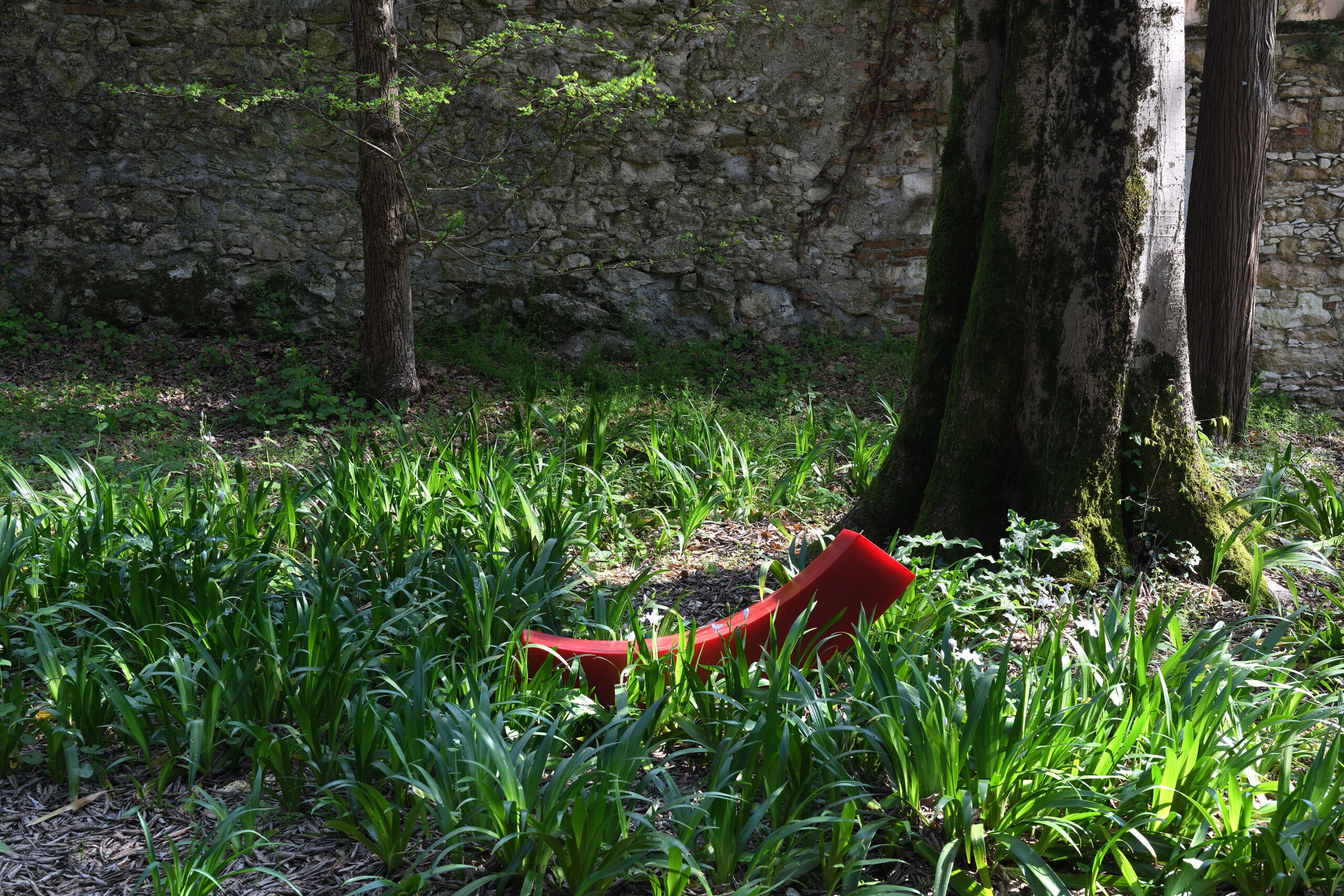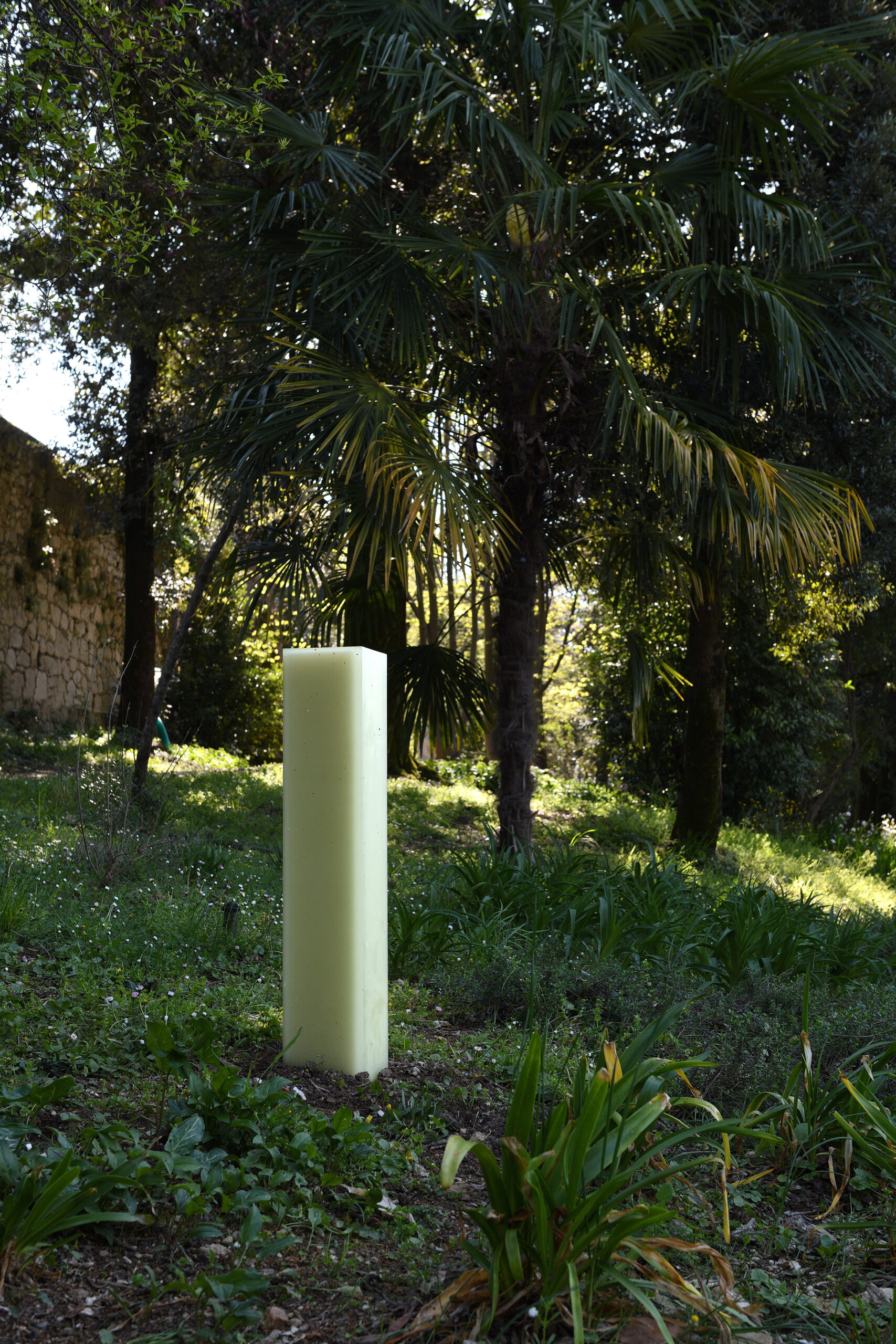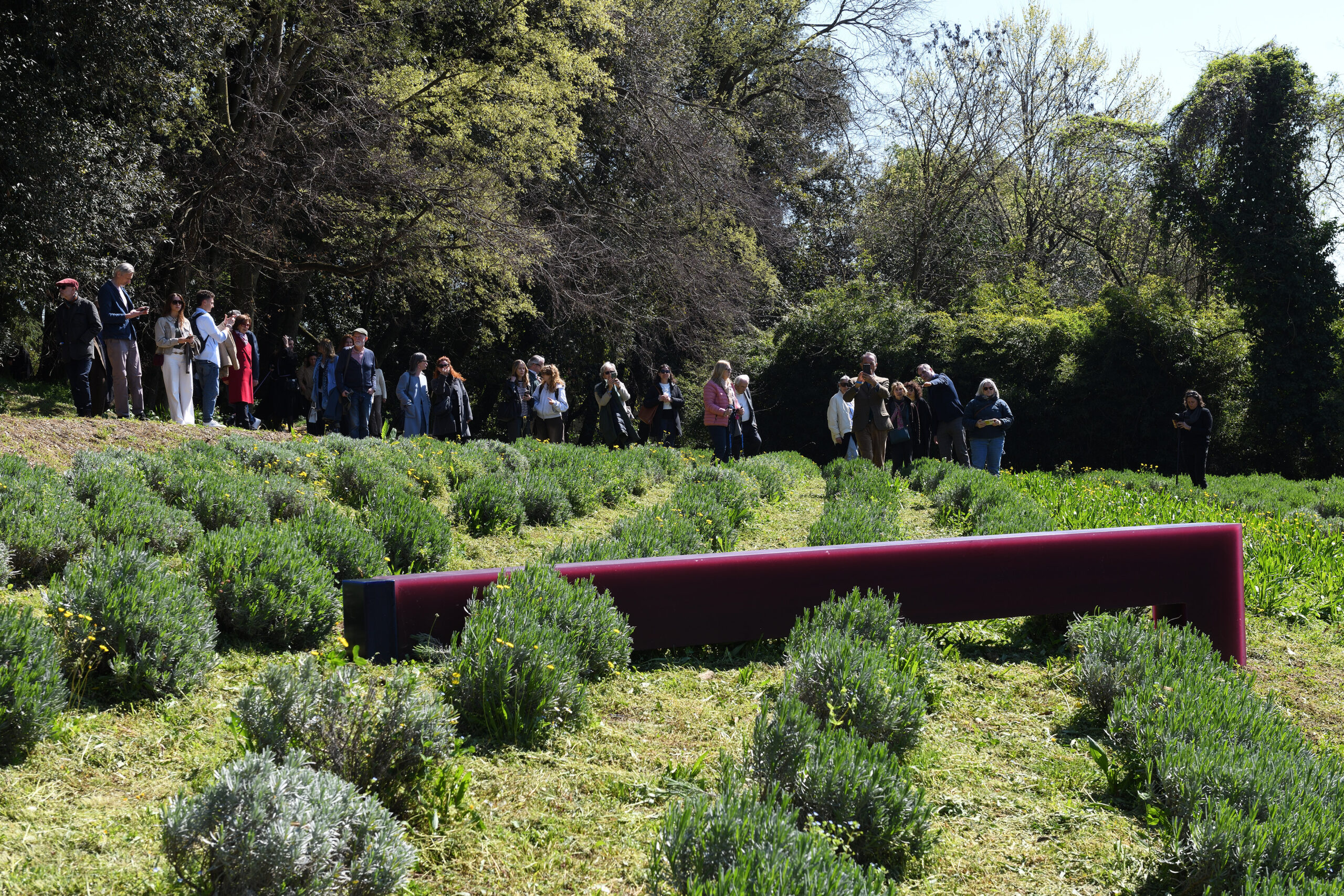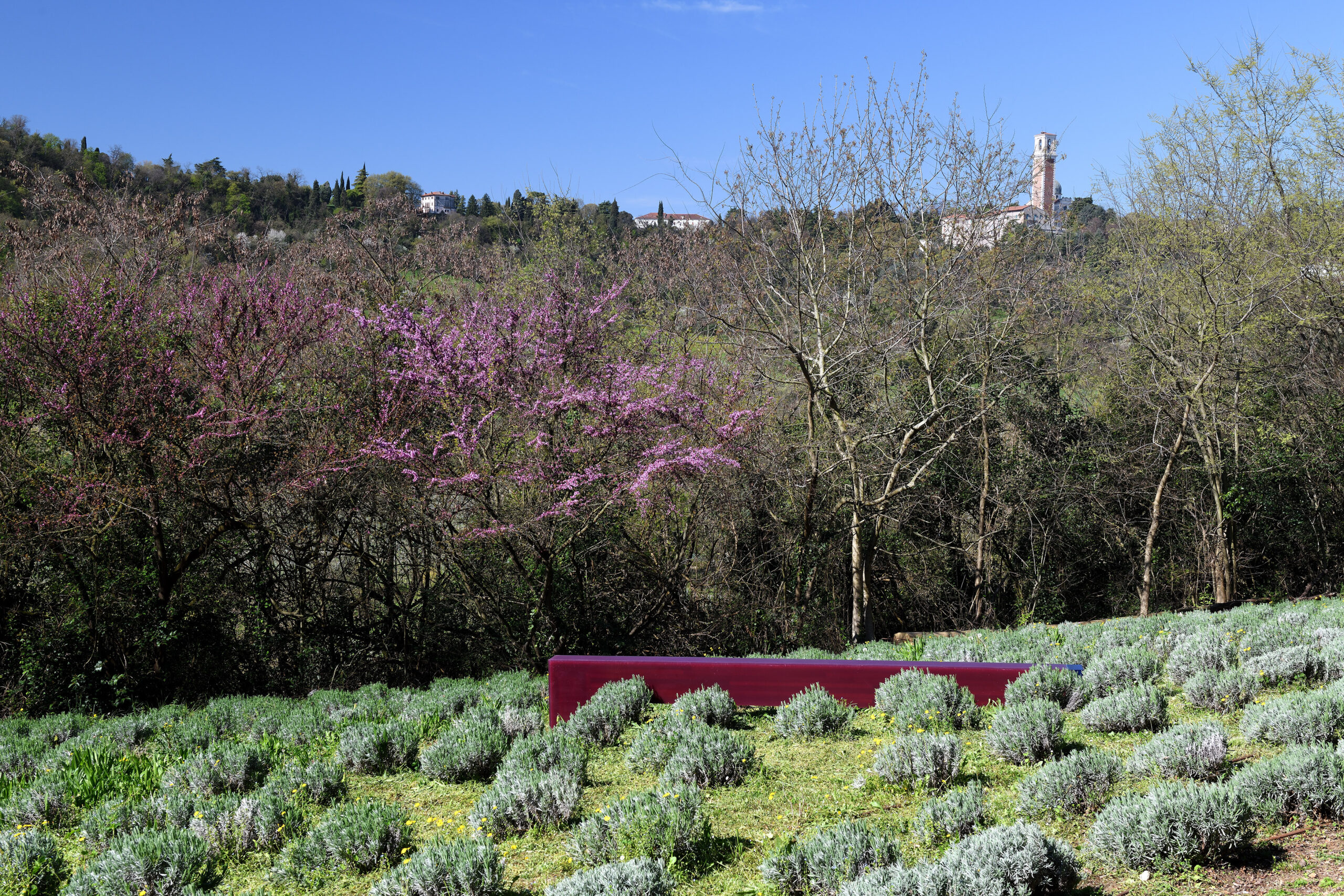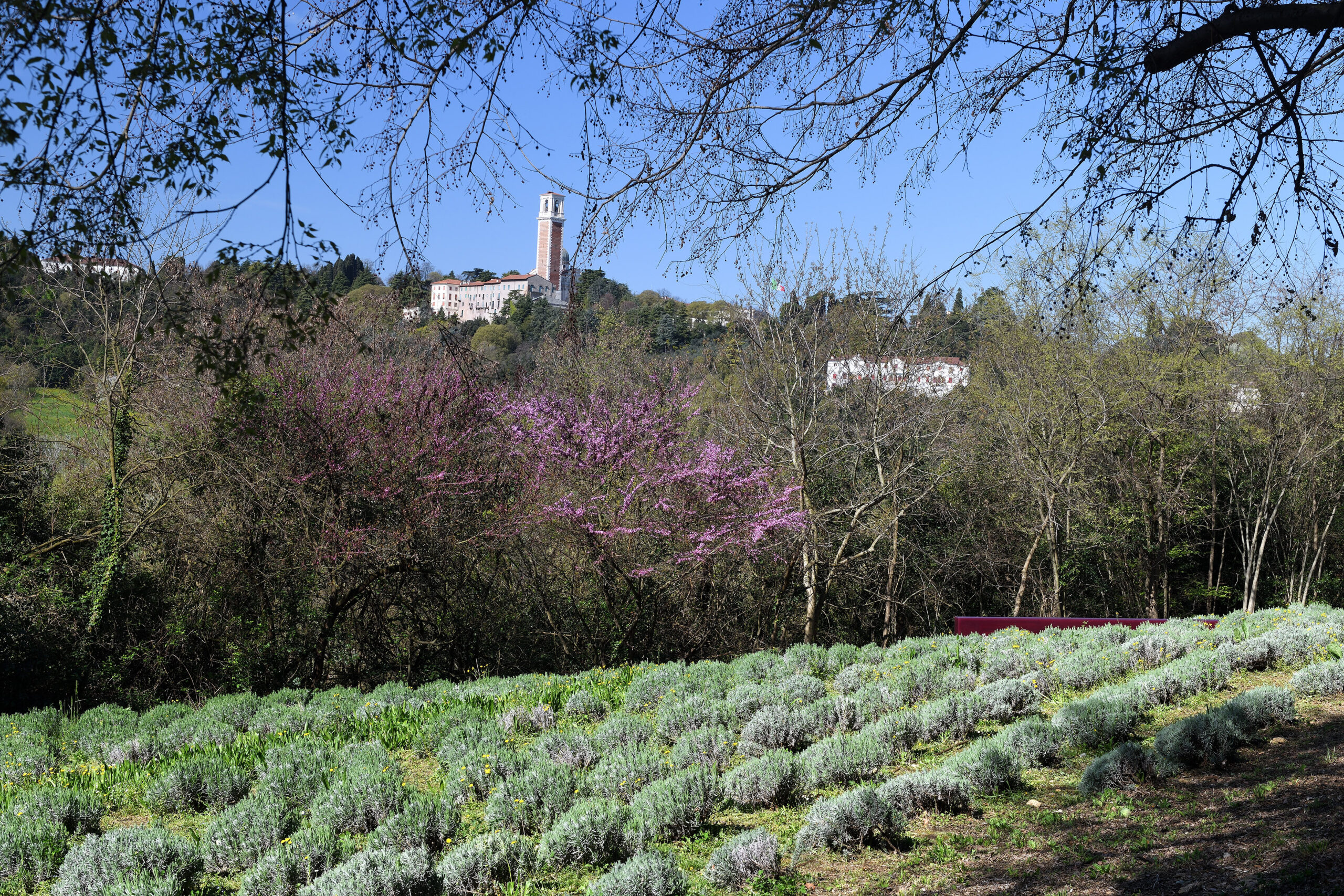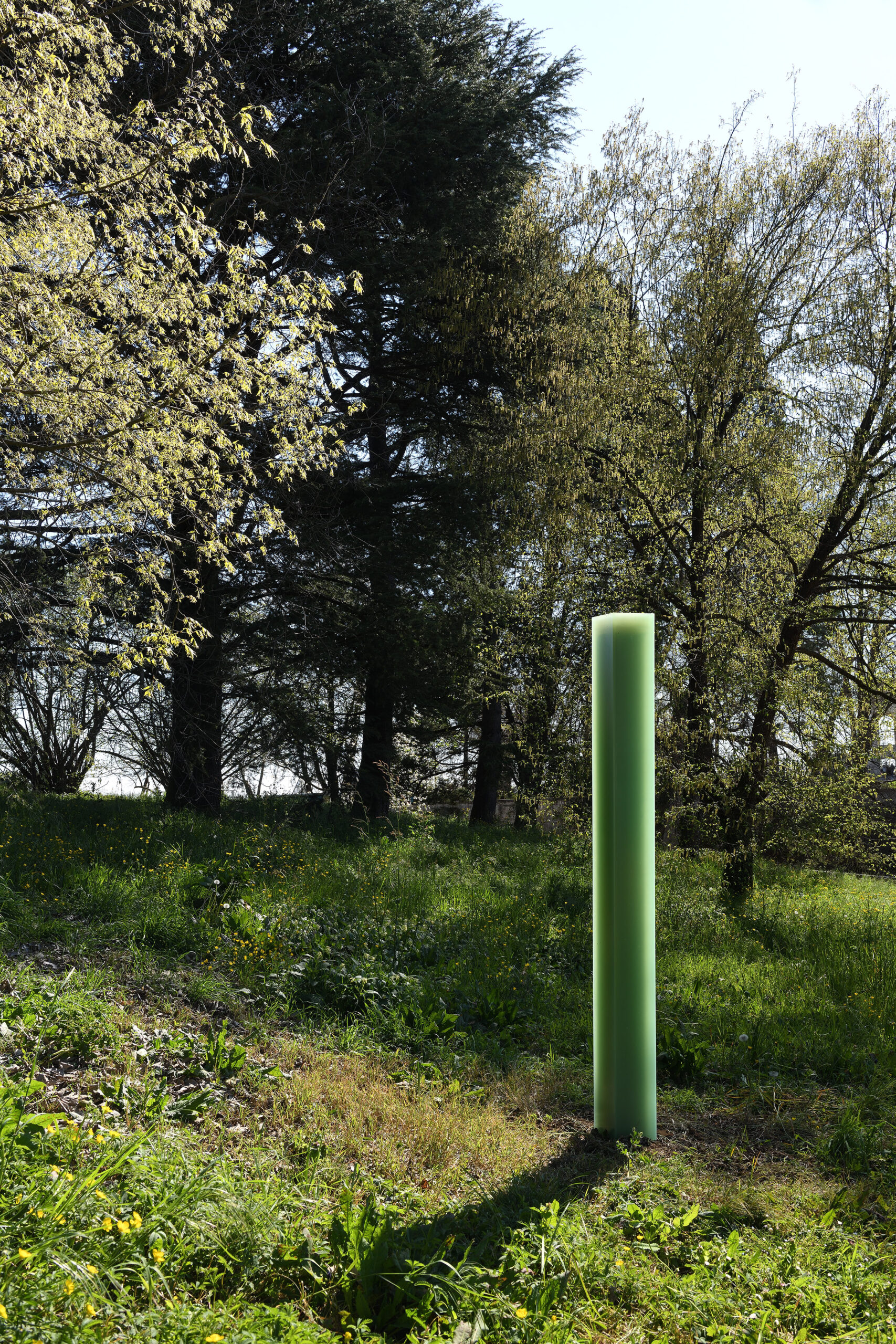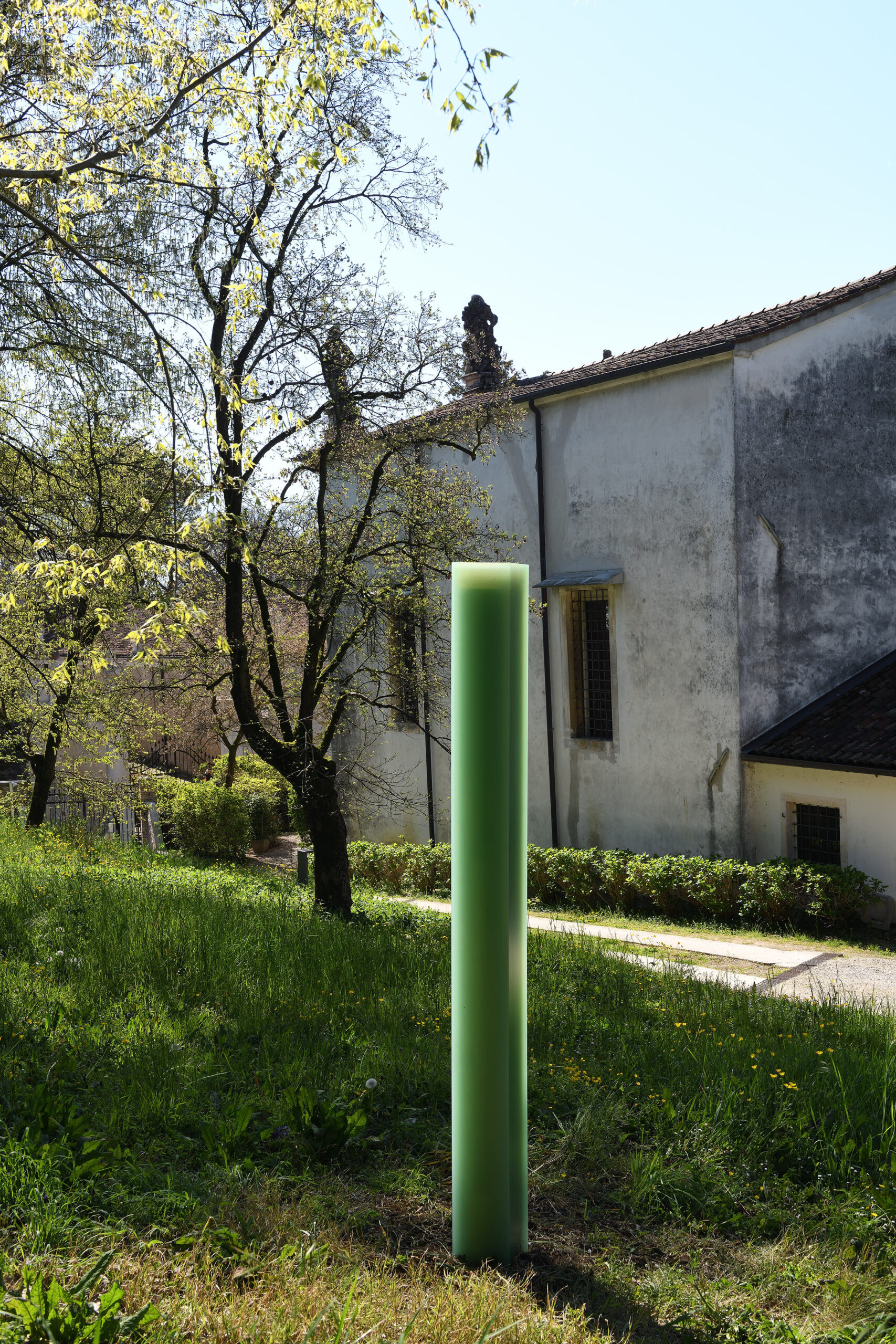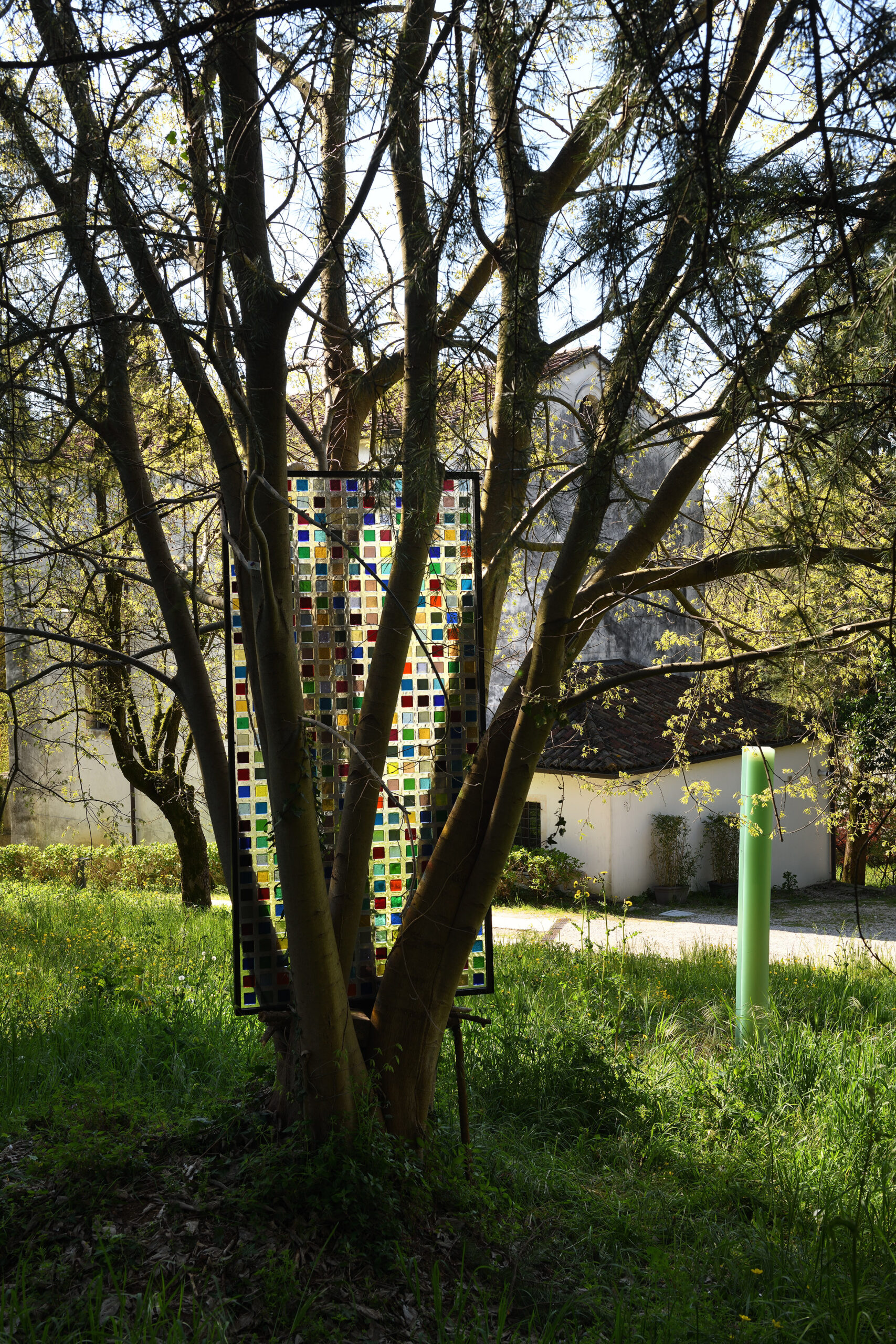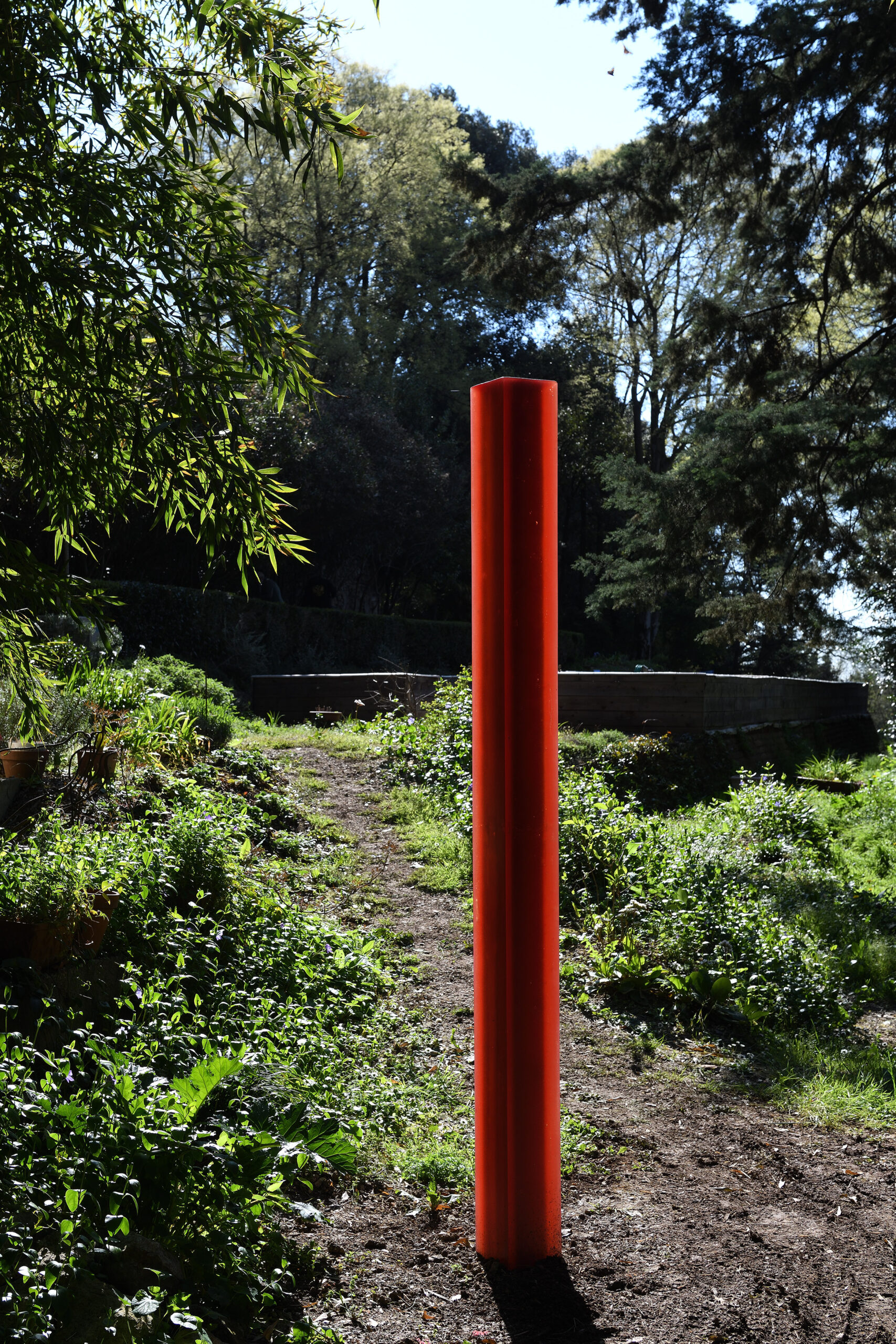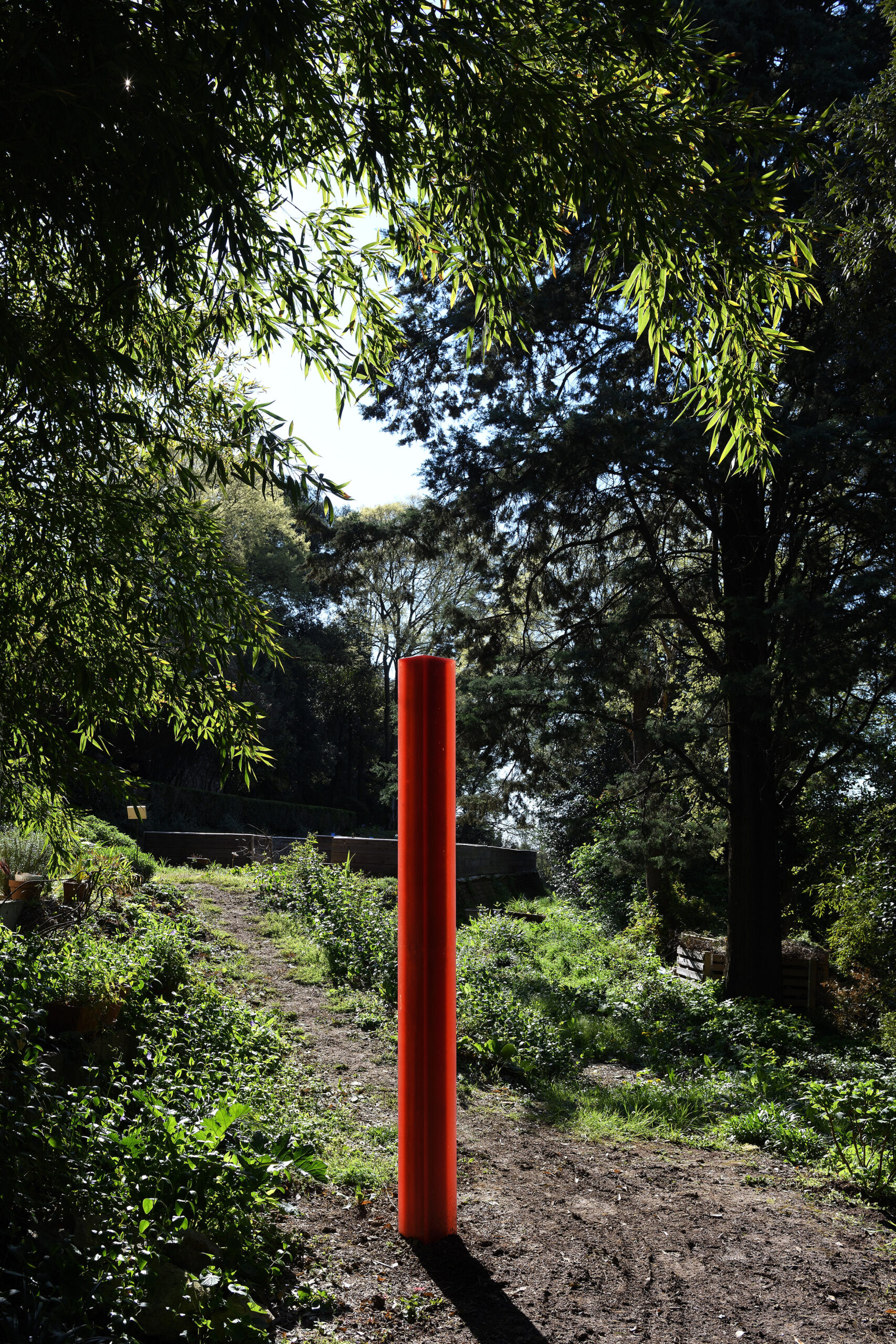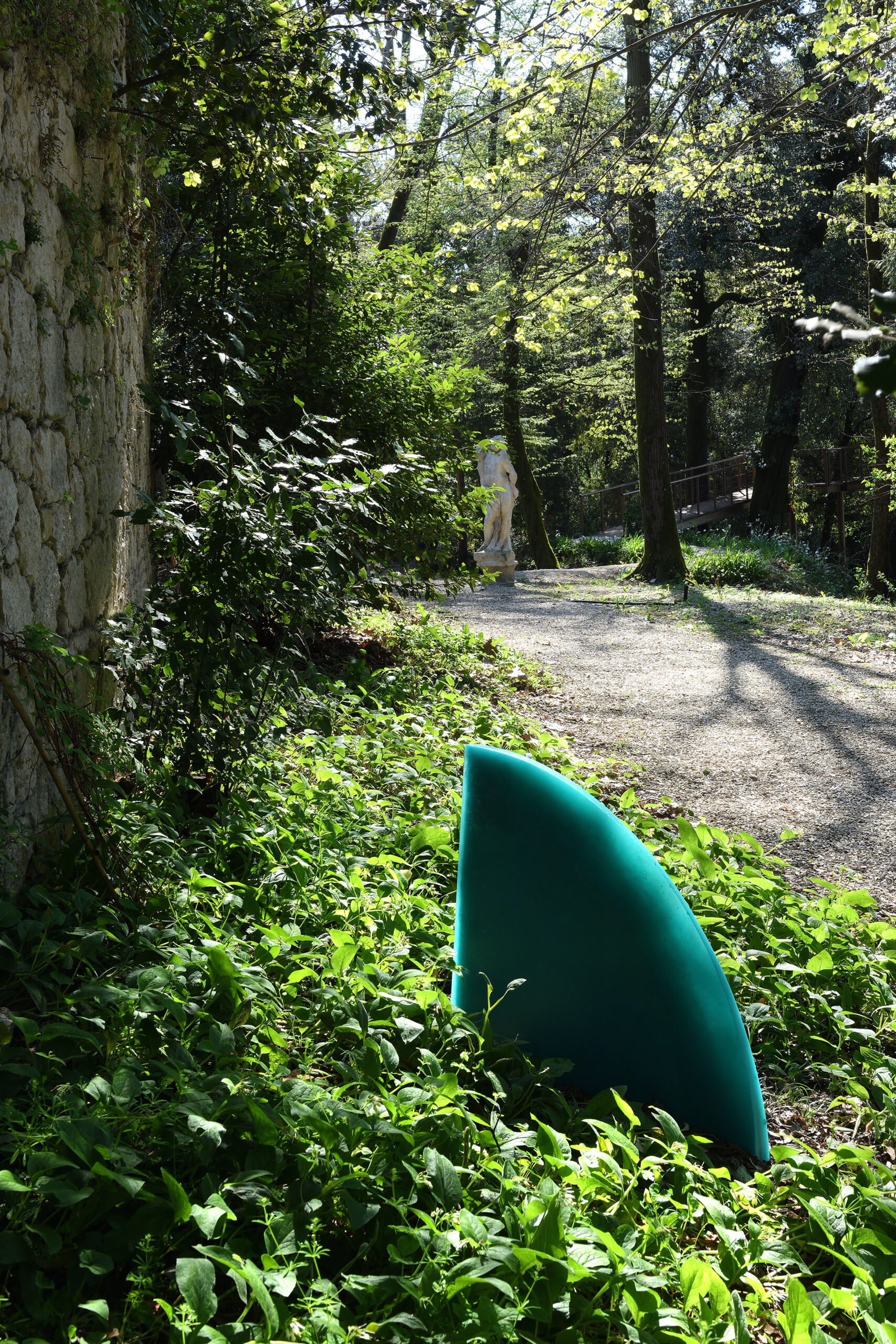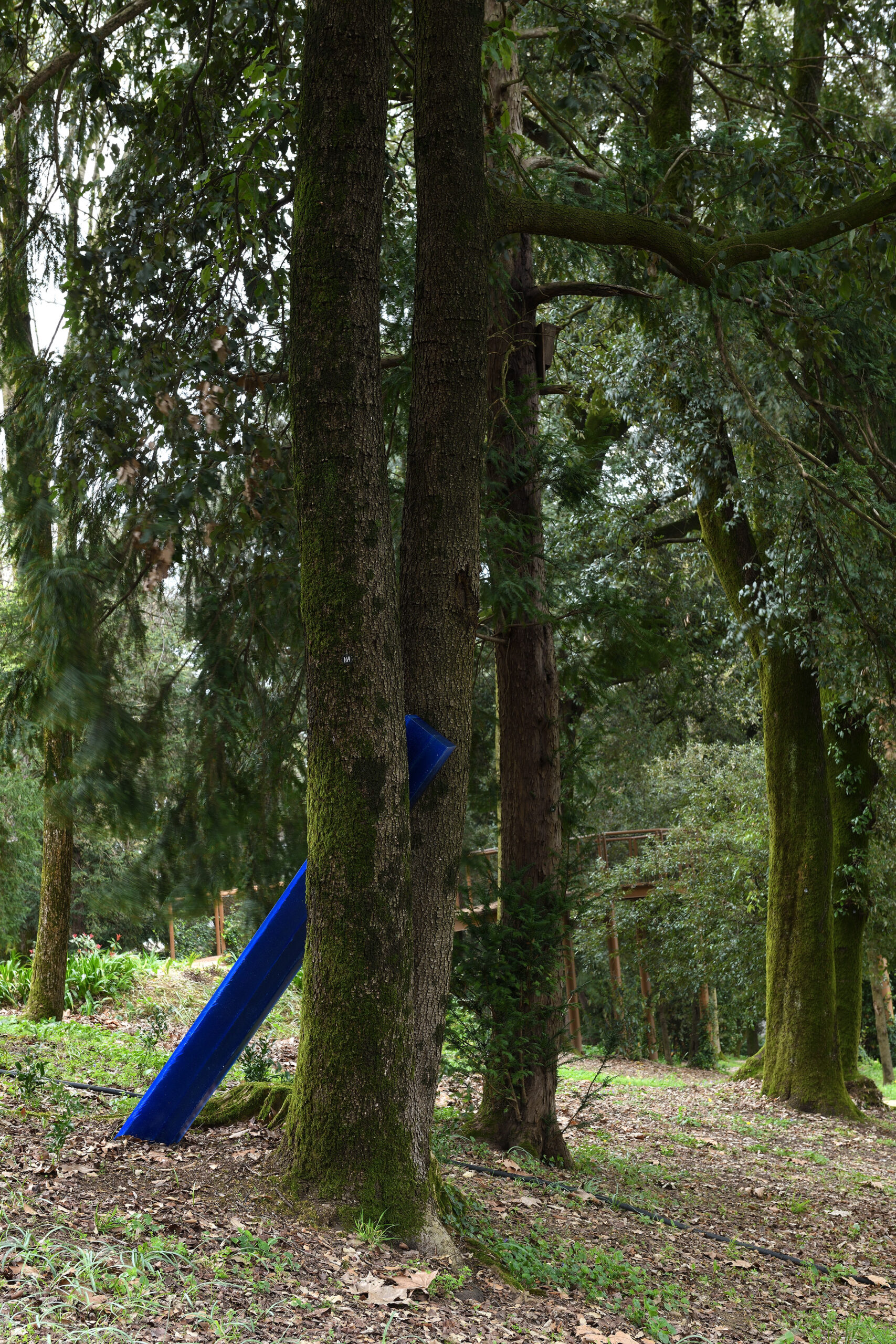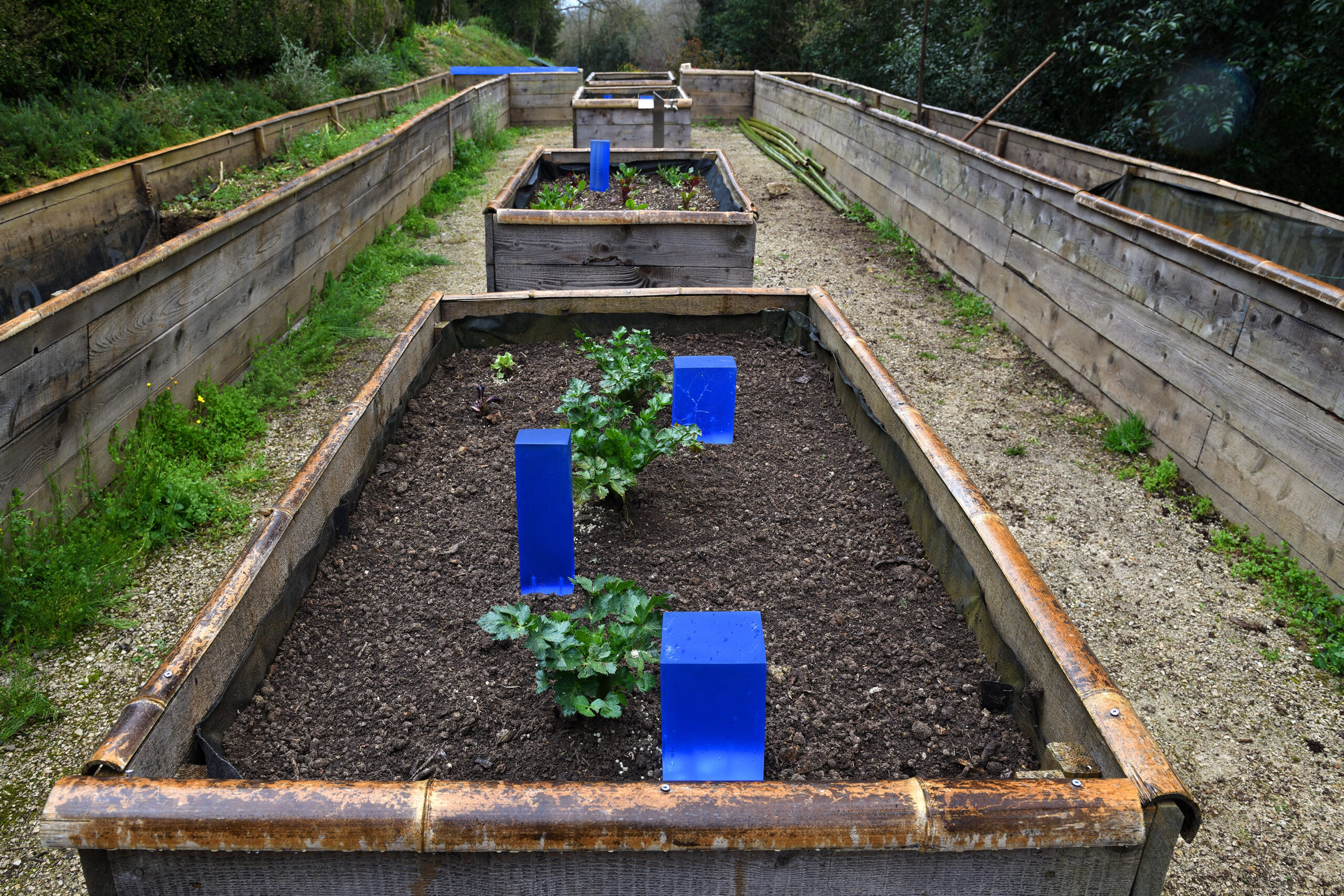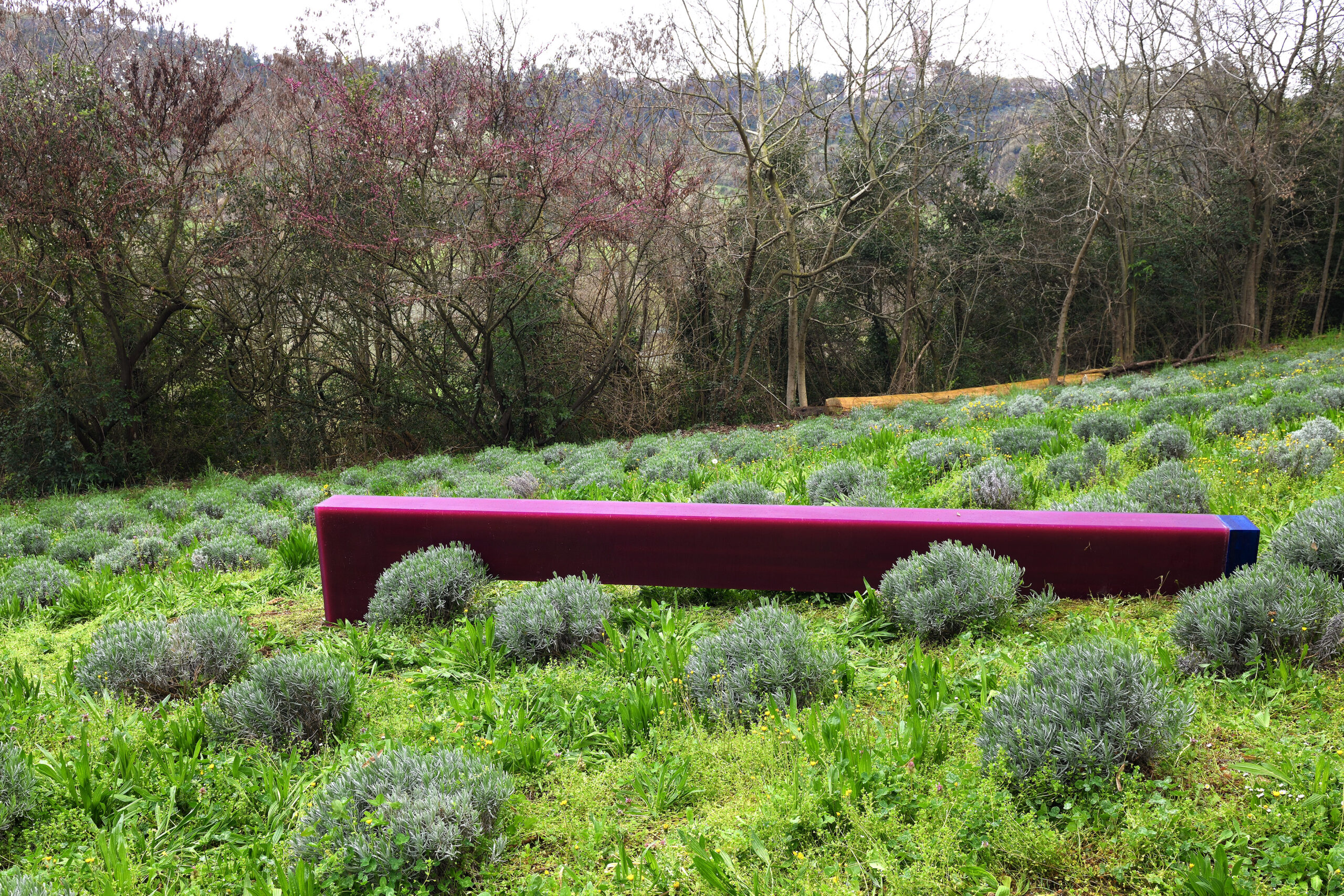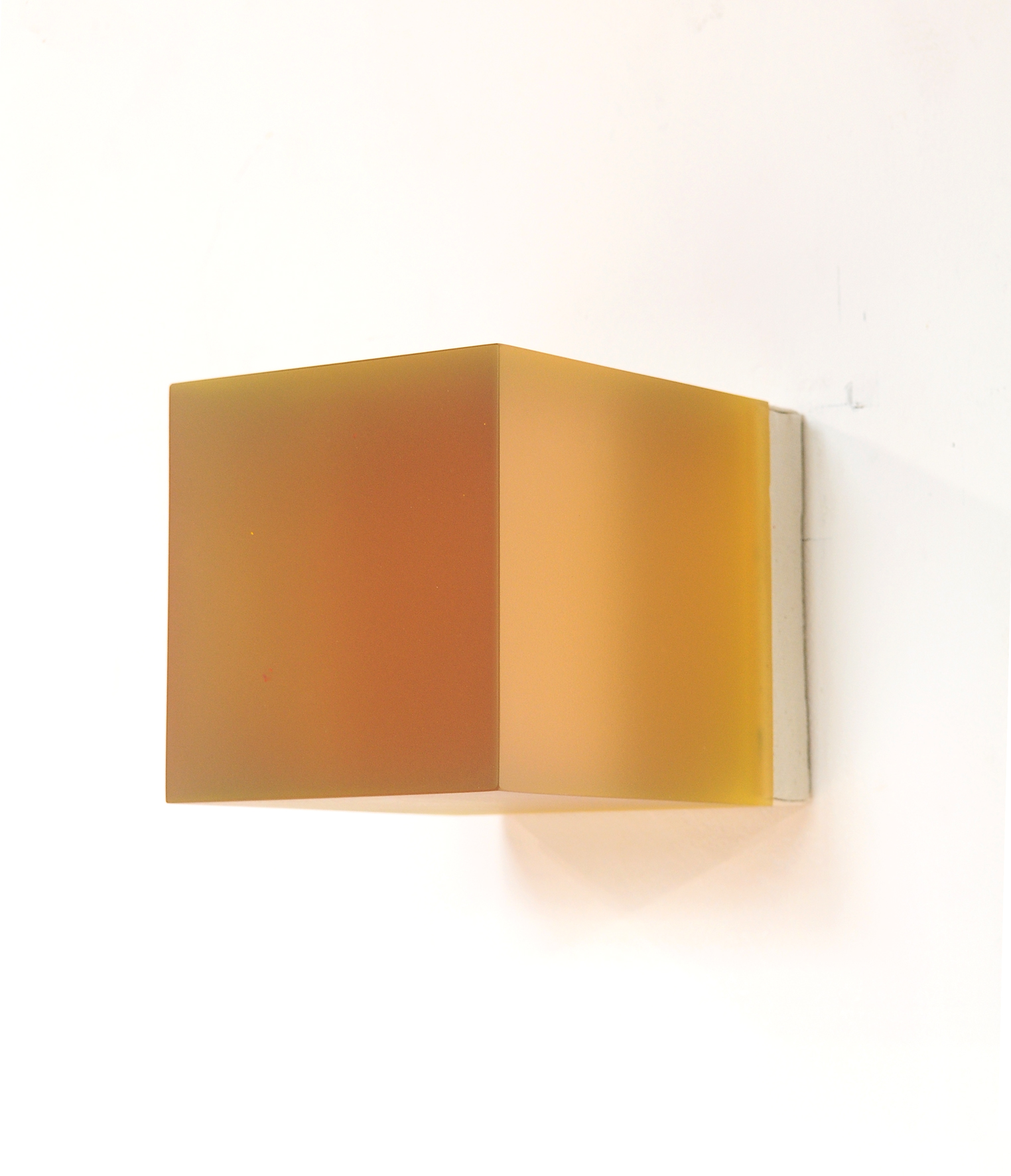
For Herbert Hamak,
at Villa Valmarana, Vicenza
Luca Massimo Barbero
What a giant figure at its rising! Its wings touch the boundaries of the world, its eyes pierce the depths, its thoughts dwell in infinite heights; it has been there since the beginning and its flight is without end.
— O. Runge, 1806
It is not difficult to understand why, when faced with words such as these, the mind once again turns to colour. Not as a simple attribute of form, nor as a purely optical phenomenon, but as a primal, expansive force—almost cosmic—capable of touching depths and heights at once, measuring the visible while exceeding it. It is within this broader tradition, which extends from Romantic chromatic theory to its embodiment in space, that Herbert Hamak’s work continues to locate itself with singular clarity.
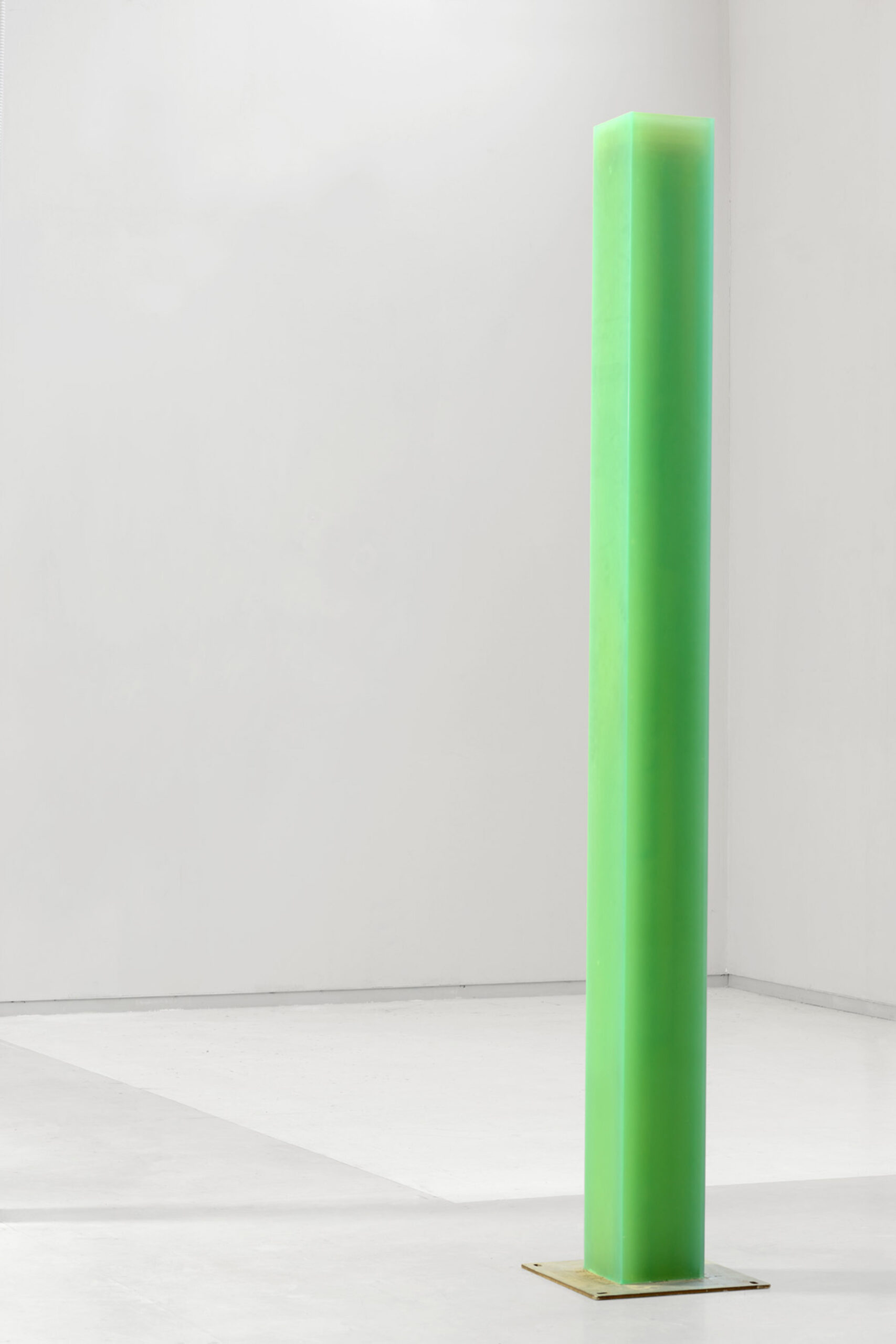
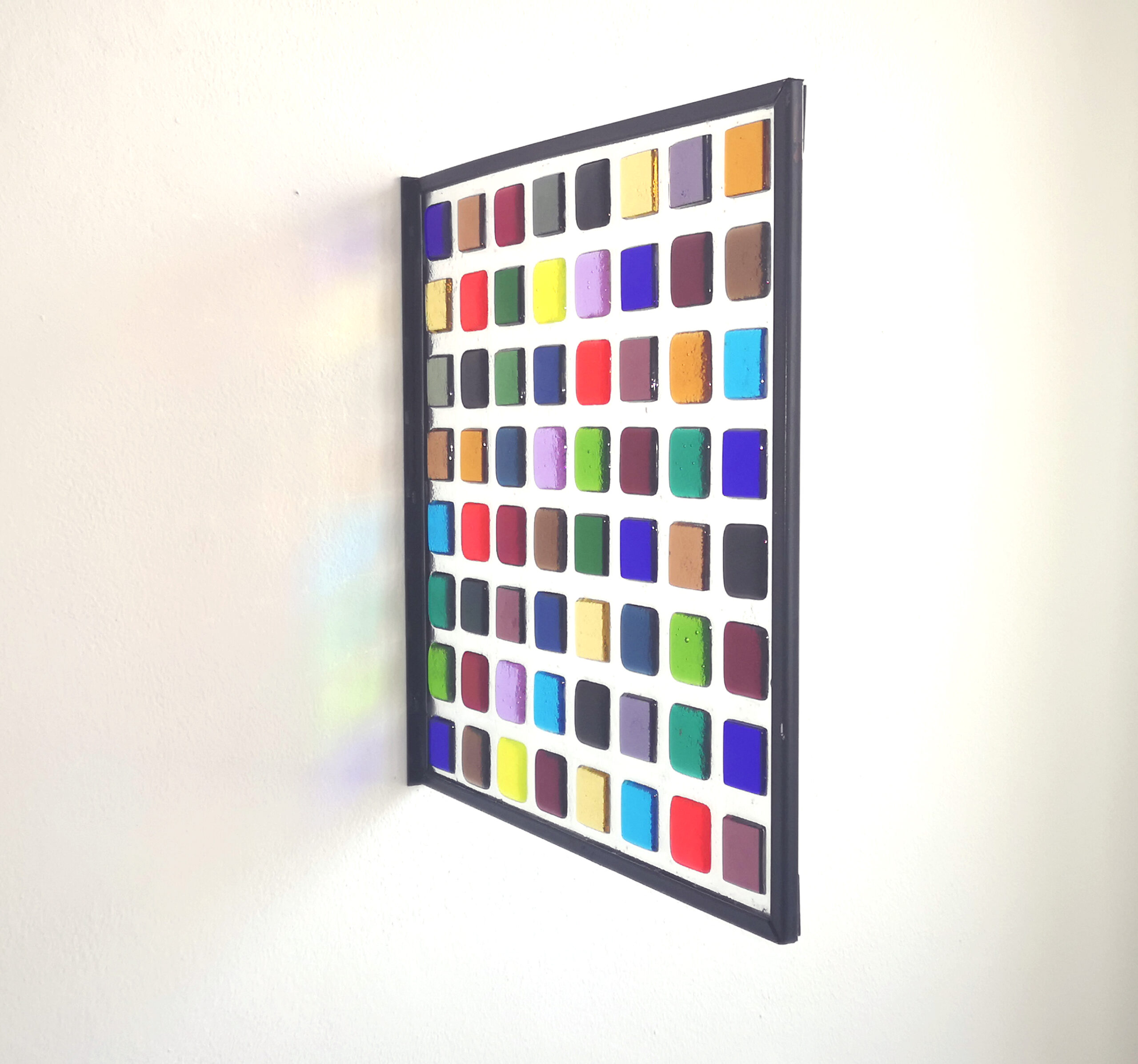
There are, in fact, artists who use colour as a quality of form, and others who, more radically, entrust it with the task of becoming presence itself—the rhythm, the breathing of a place. Hamak has always belonged to this second and rarer lineage. In his work chromatic thought consolidates until it becomes punctuation, emphasis, sometimes even the silent centre of a broader sentence, within which the environment is never a mere container but a sensitive organism, a field of relations, a mental measure before it is a physical one.
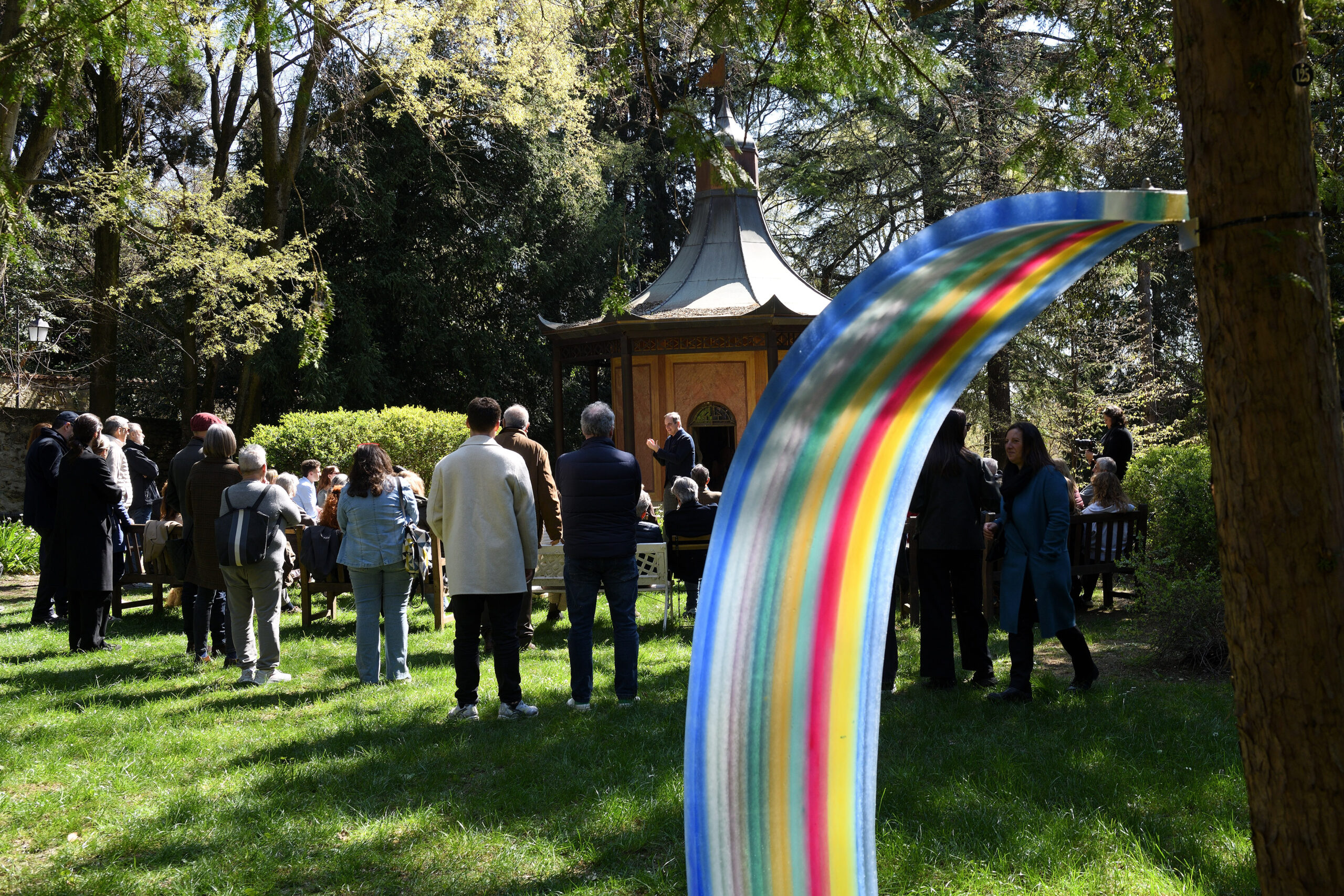
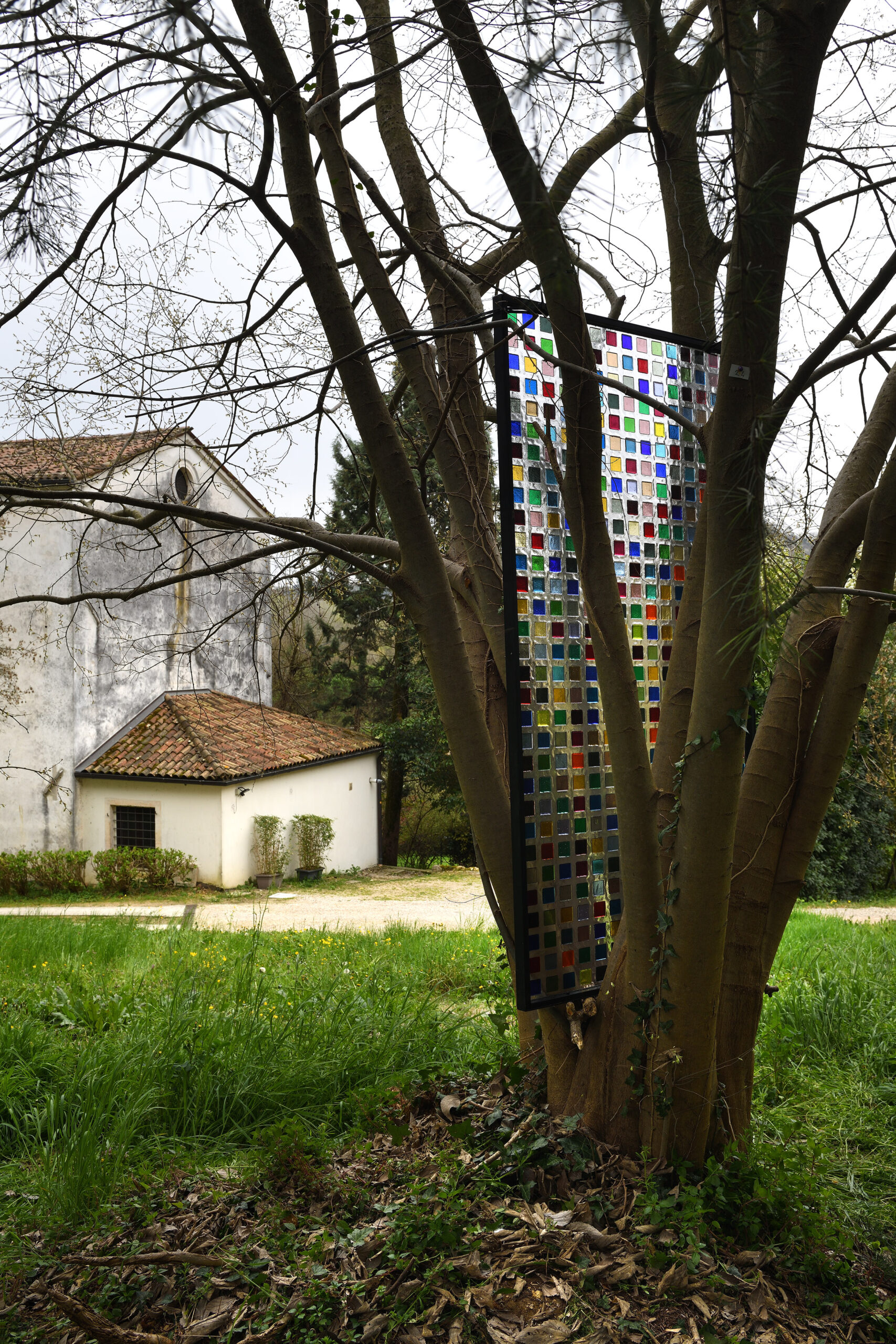
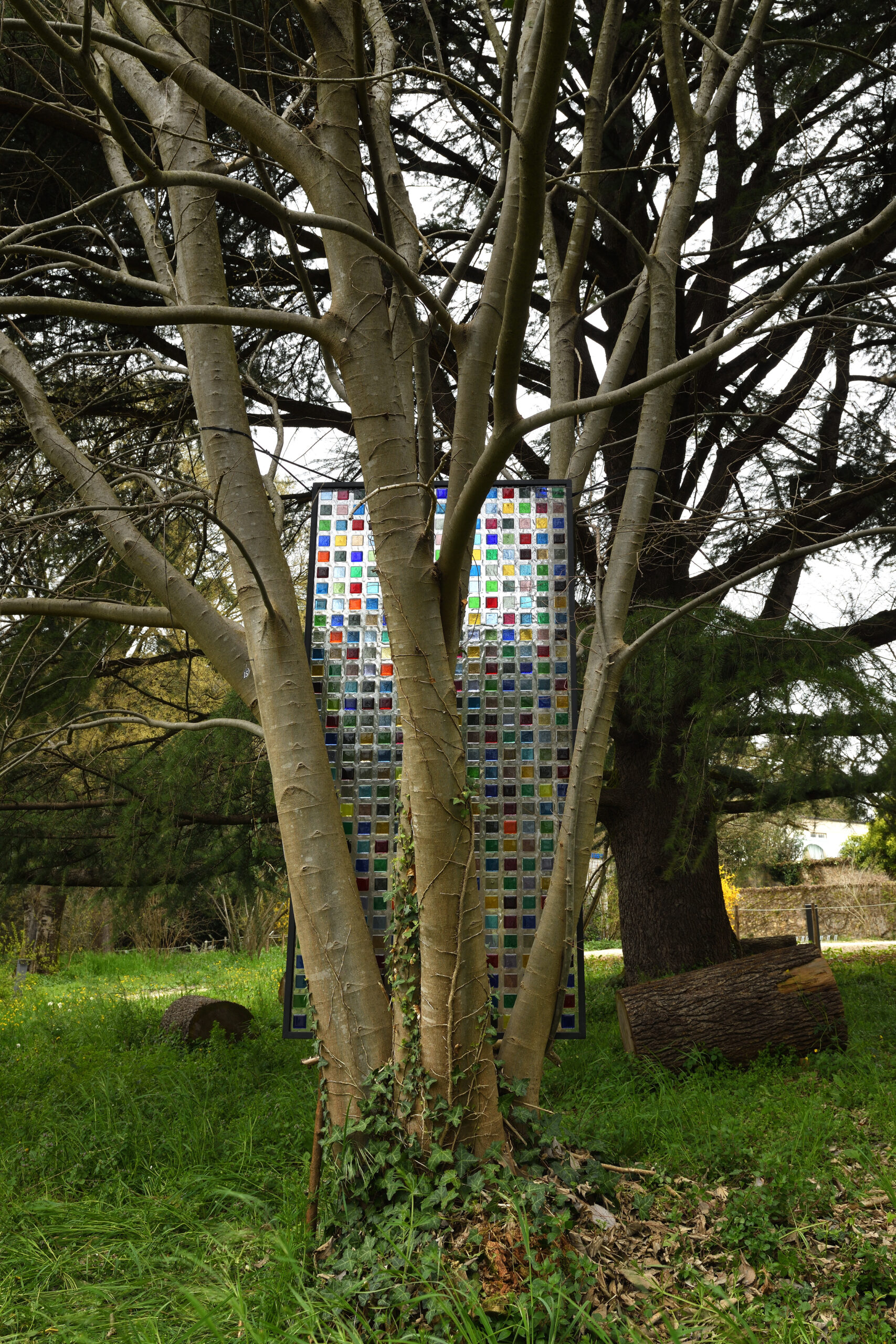
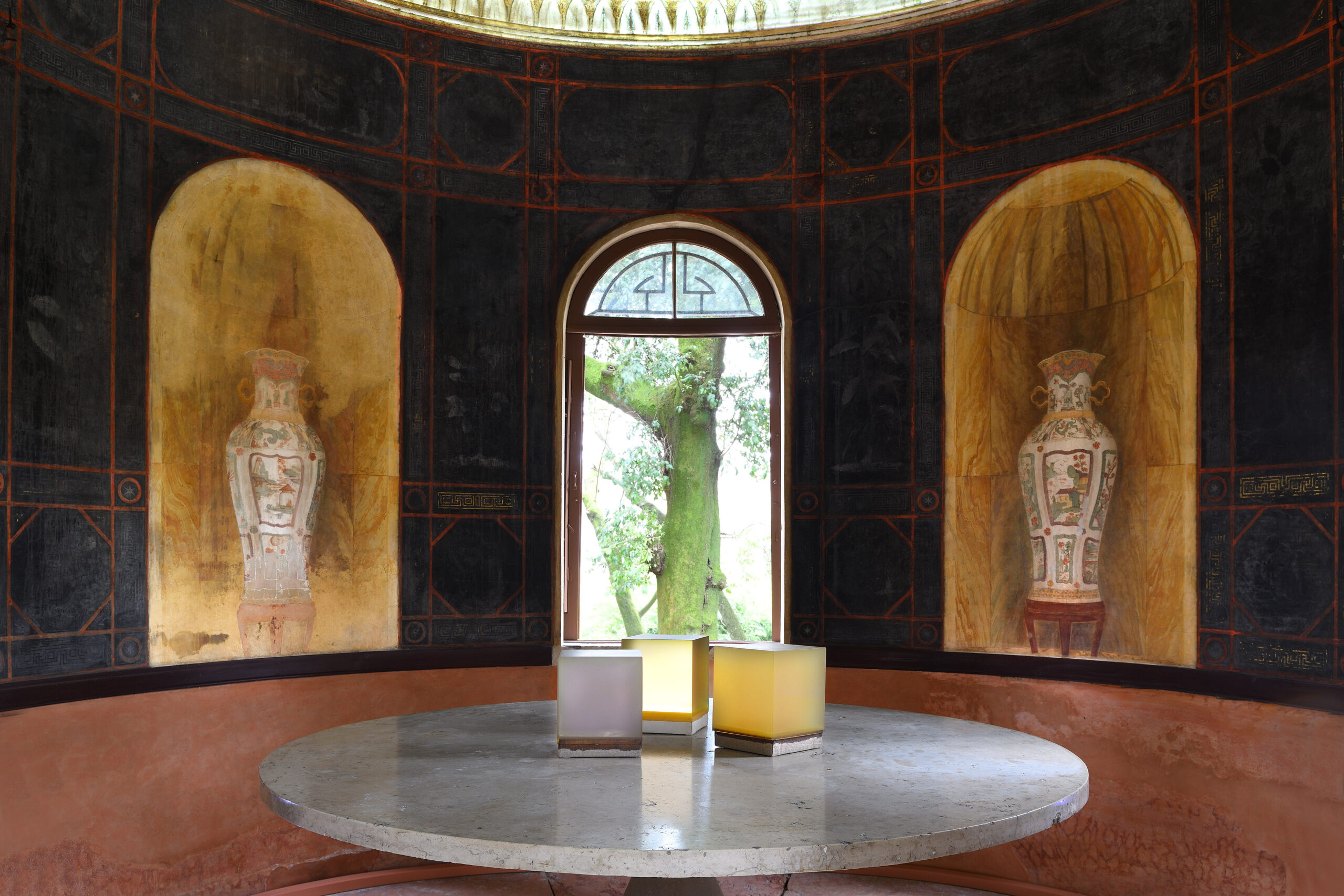
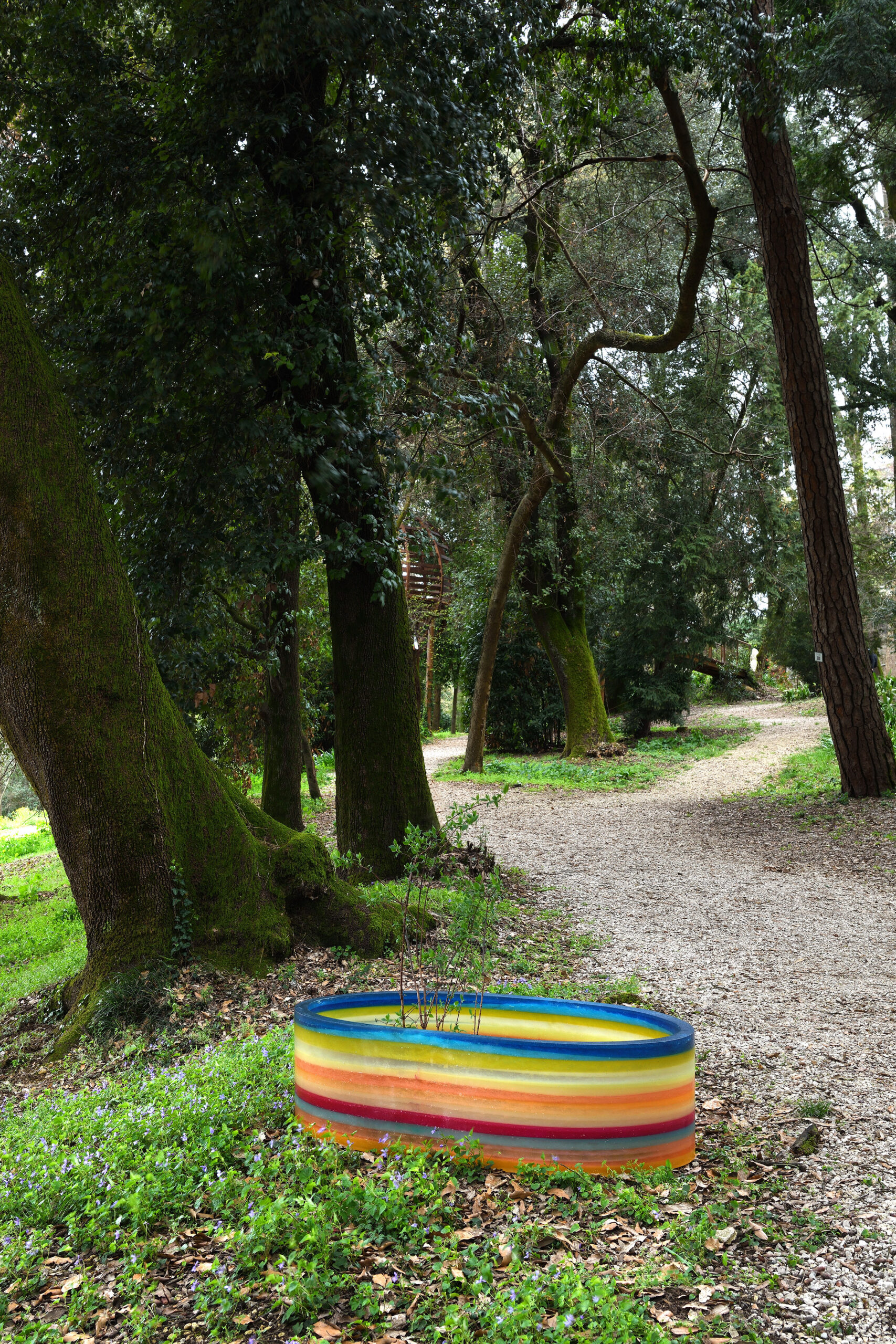
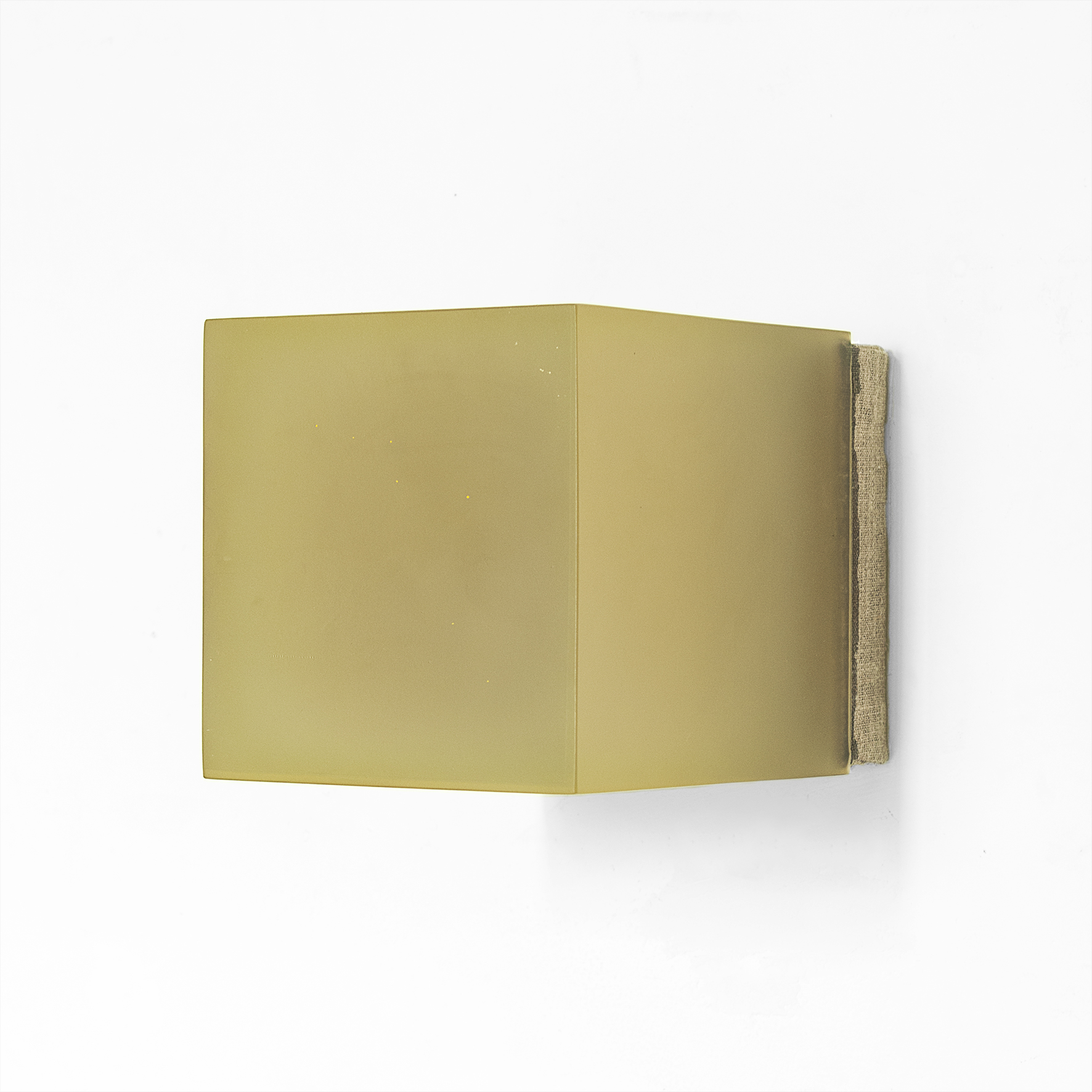
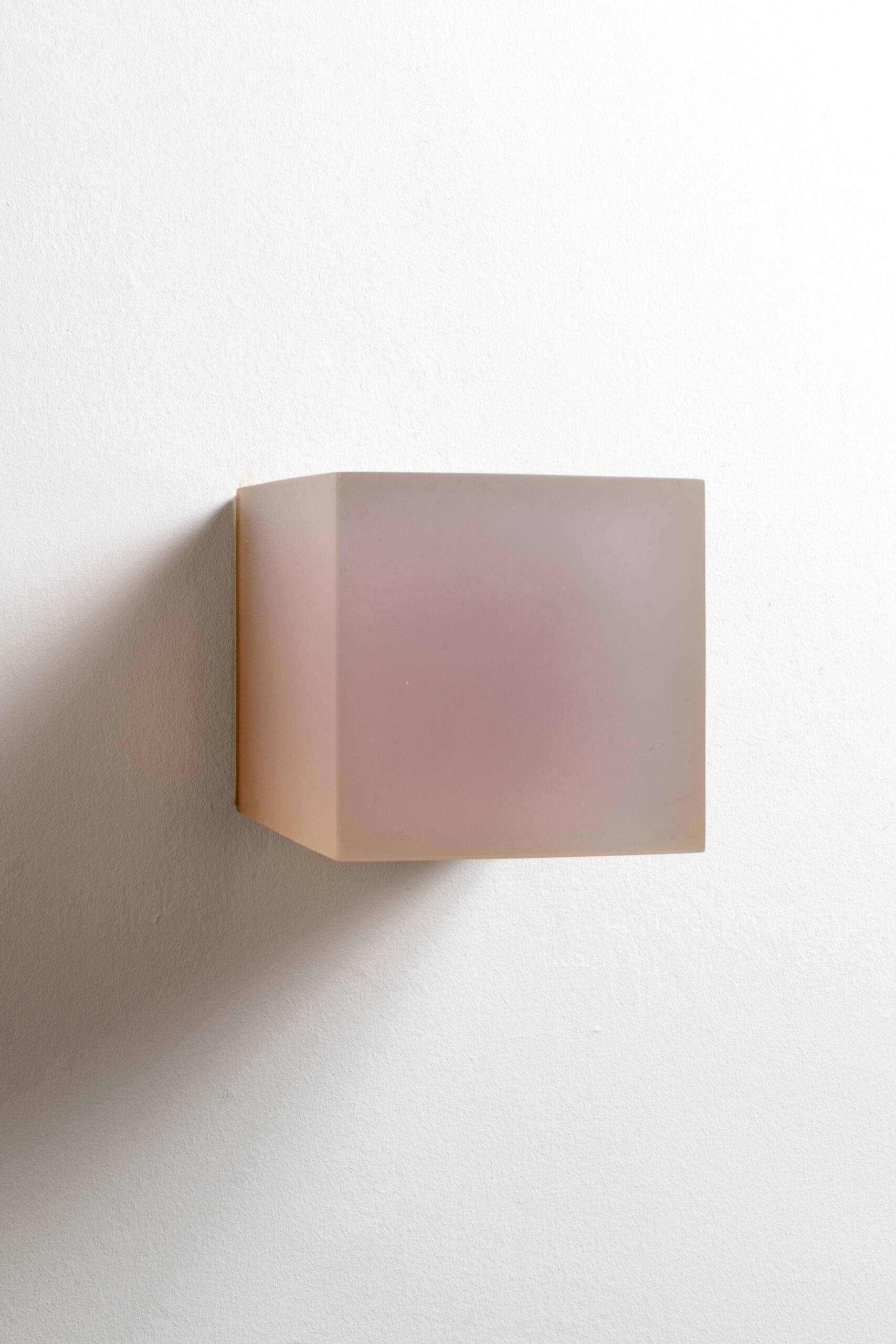
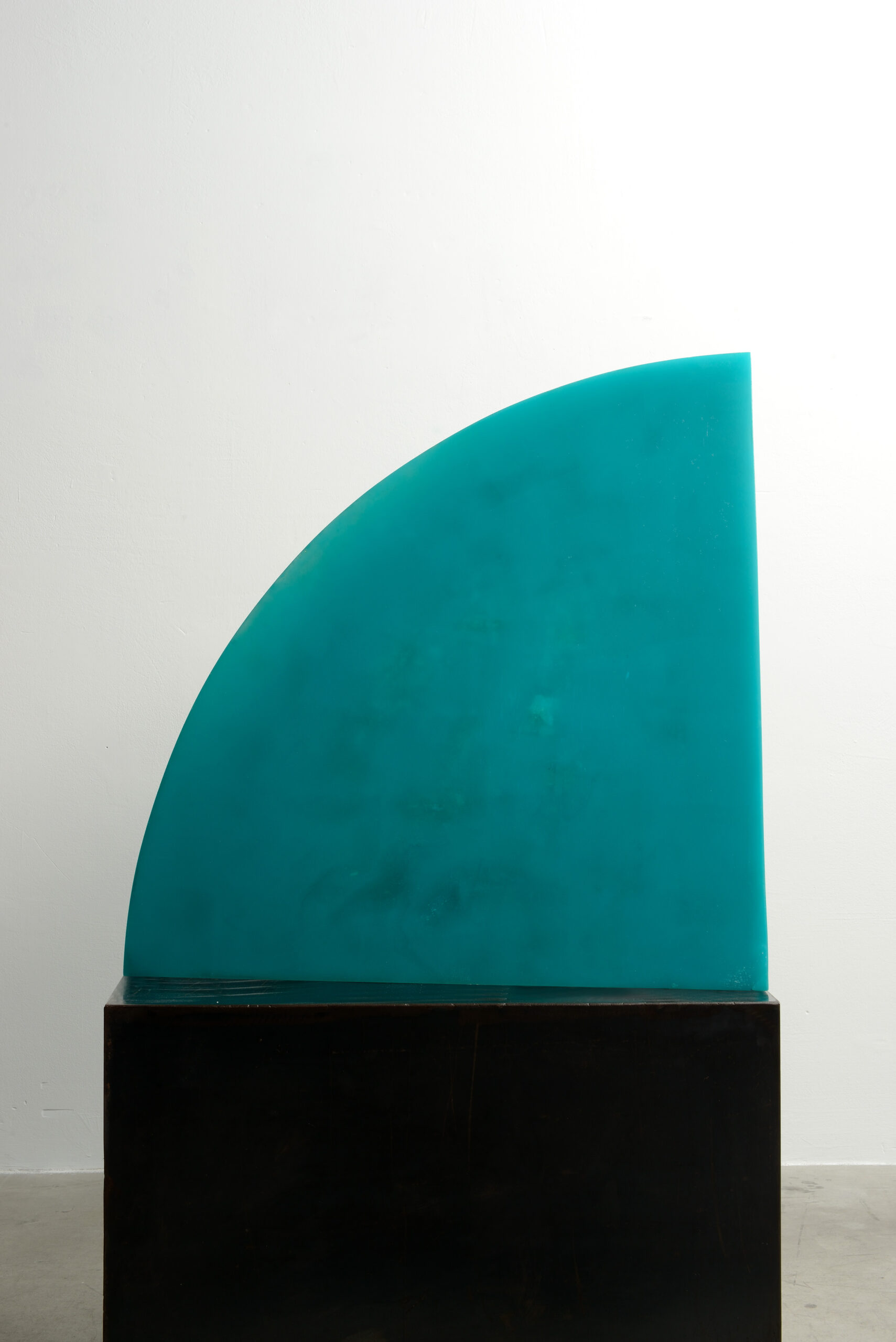
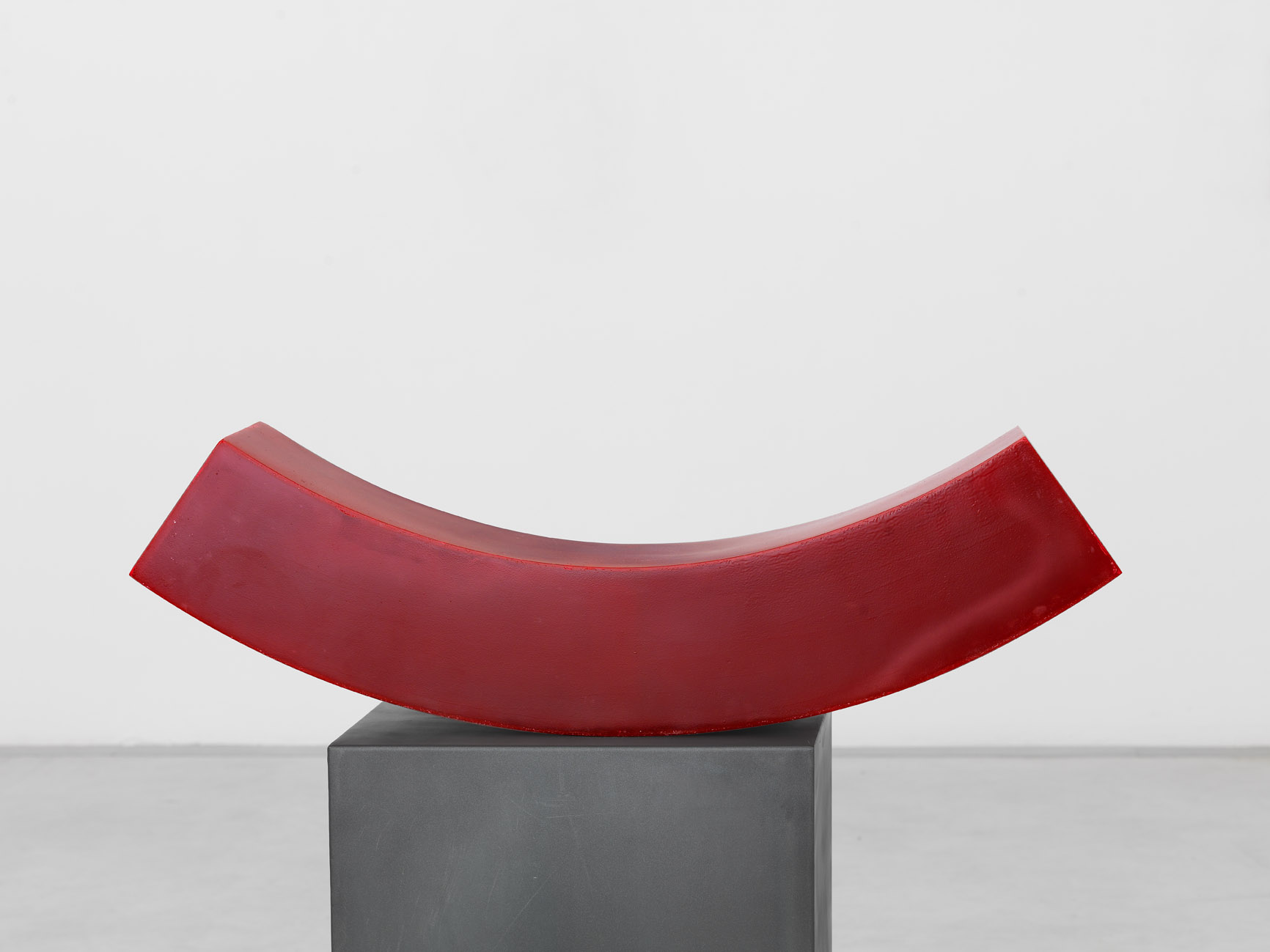
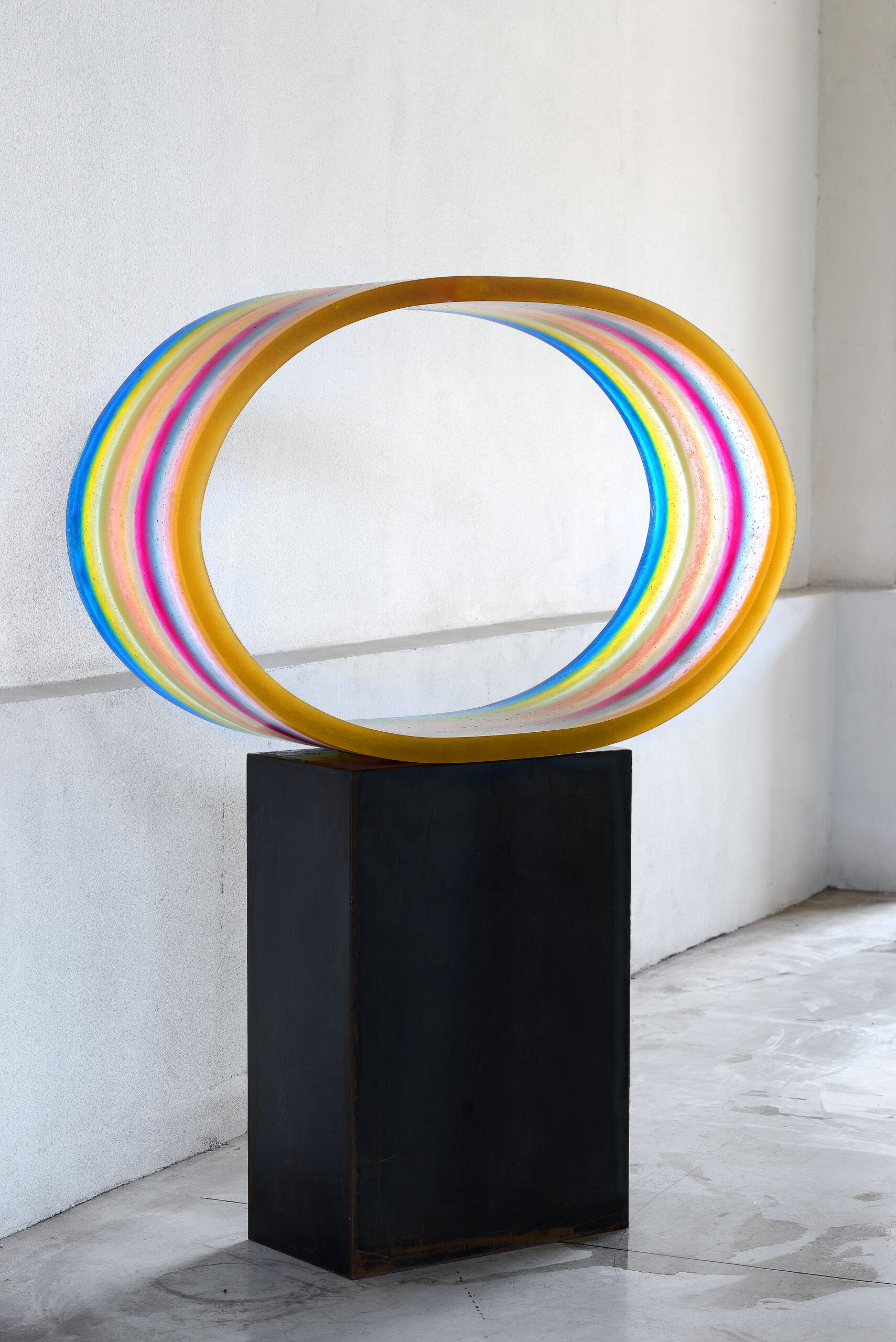
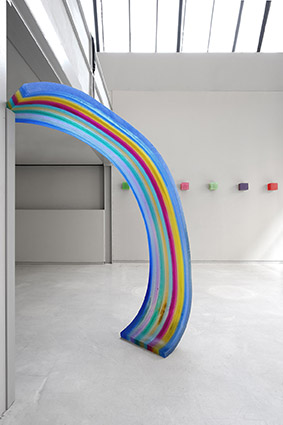
His works do not simply occupy a site; they condense it. They gather time and volume into a body that operates through a double dialectic. On the one hand, they allow themselves to be traversed by light—welcoming it, absorbing it, almost holding it within an inner suspension. On the other, they oppose a conceived limit, a threshold, a minimal yet decisive resistance that renders vision slower, more intense, more aware.
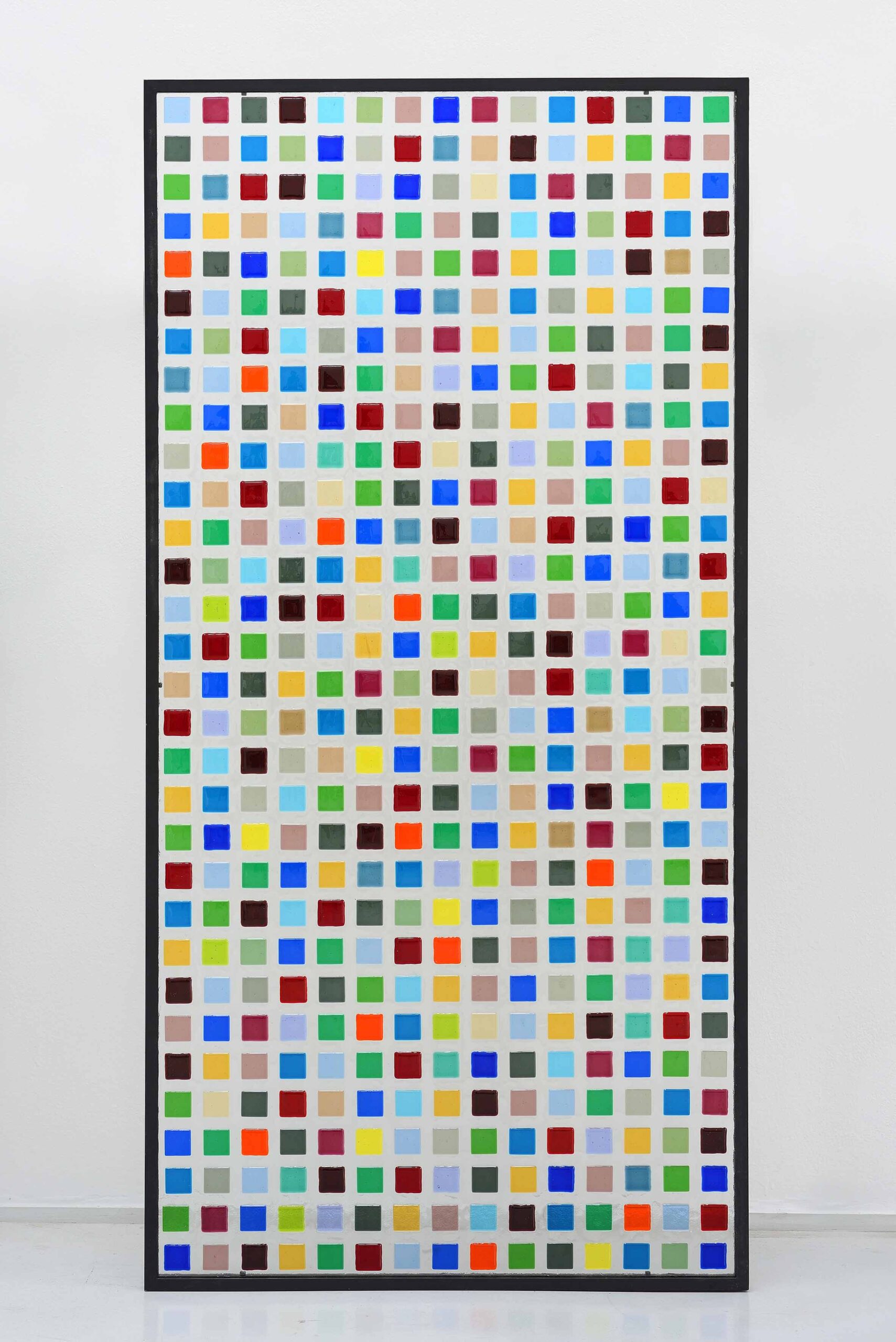
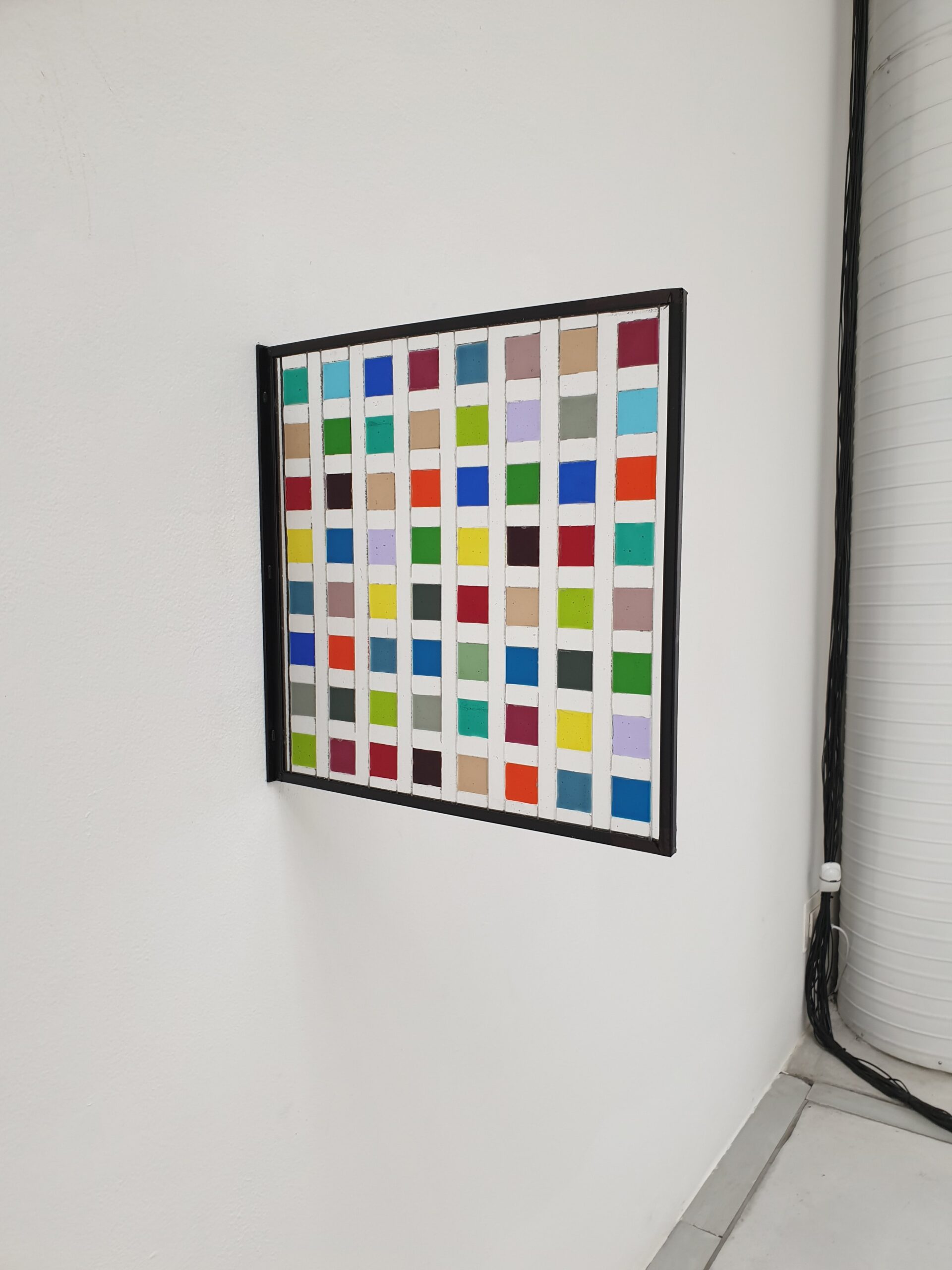
It is here that one understands how, for Hamak, the pictorial dimension no longer coincides with a surface but with an extreme condition of seeing: with an idea of colour and light that, even as it takes sculptural form, loses nothing of its nature and precisely by becoming body, presence, translucent density, rediscovers its necessity.
It is therefore no coincidence that my encounter with his work has accompanied me for a long time, touching—if only in passing—some of the nodes I have long recognized as crucial, foremost among them the Fontana-derived monochrome, and, above all, the idea that every physical dimension, when truly activated by the work, inevitably becomes an interior place as well as a field of perception. As early as 2003, on the occasion of an exhibition at Studio la Città, I spoke, in relation to Hamak, of a “living painting,” a definition that still seems to me to capture with precision the deepest nature of his work.
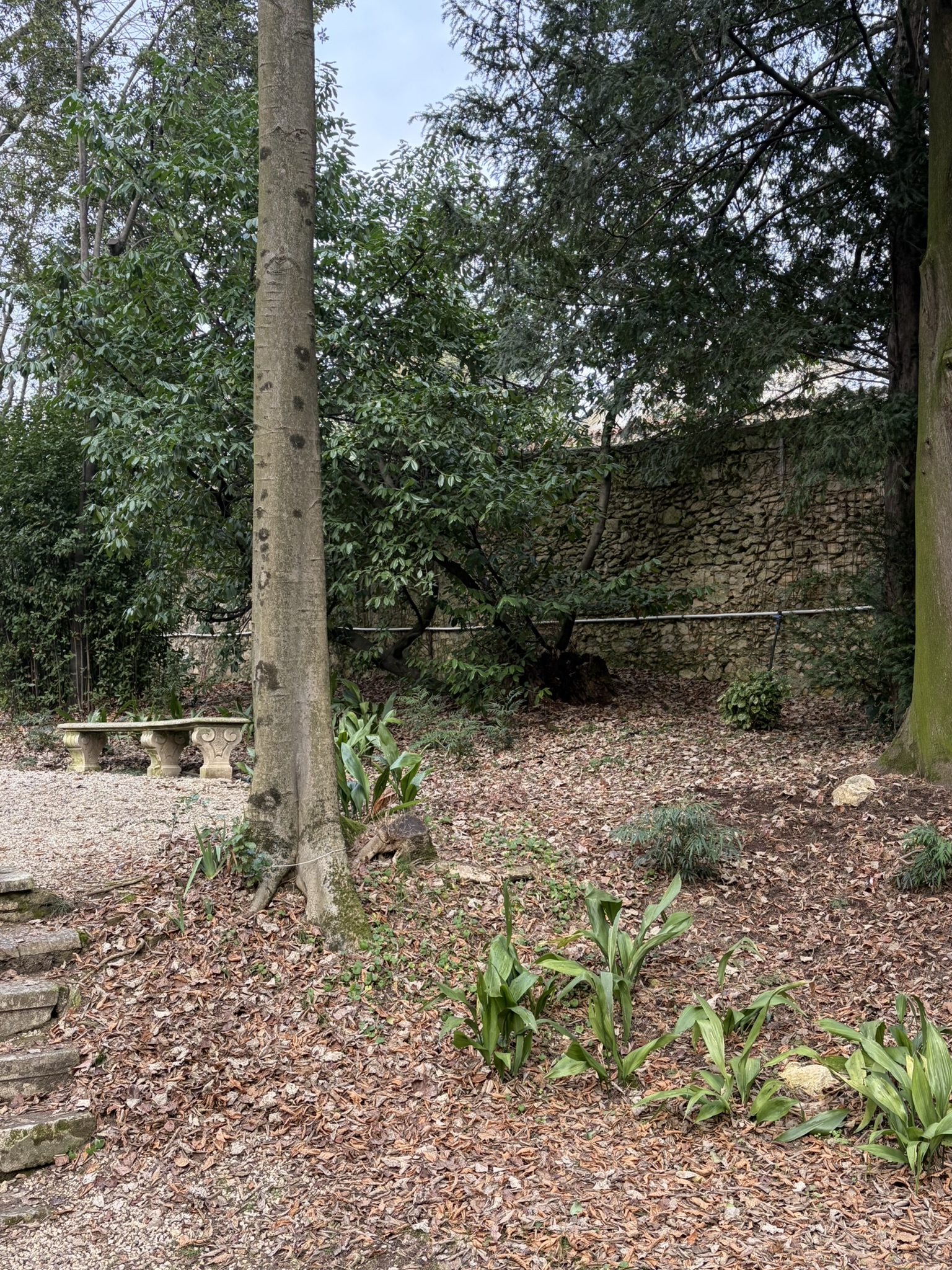
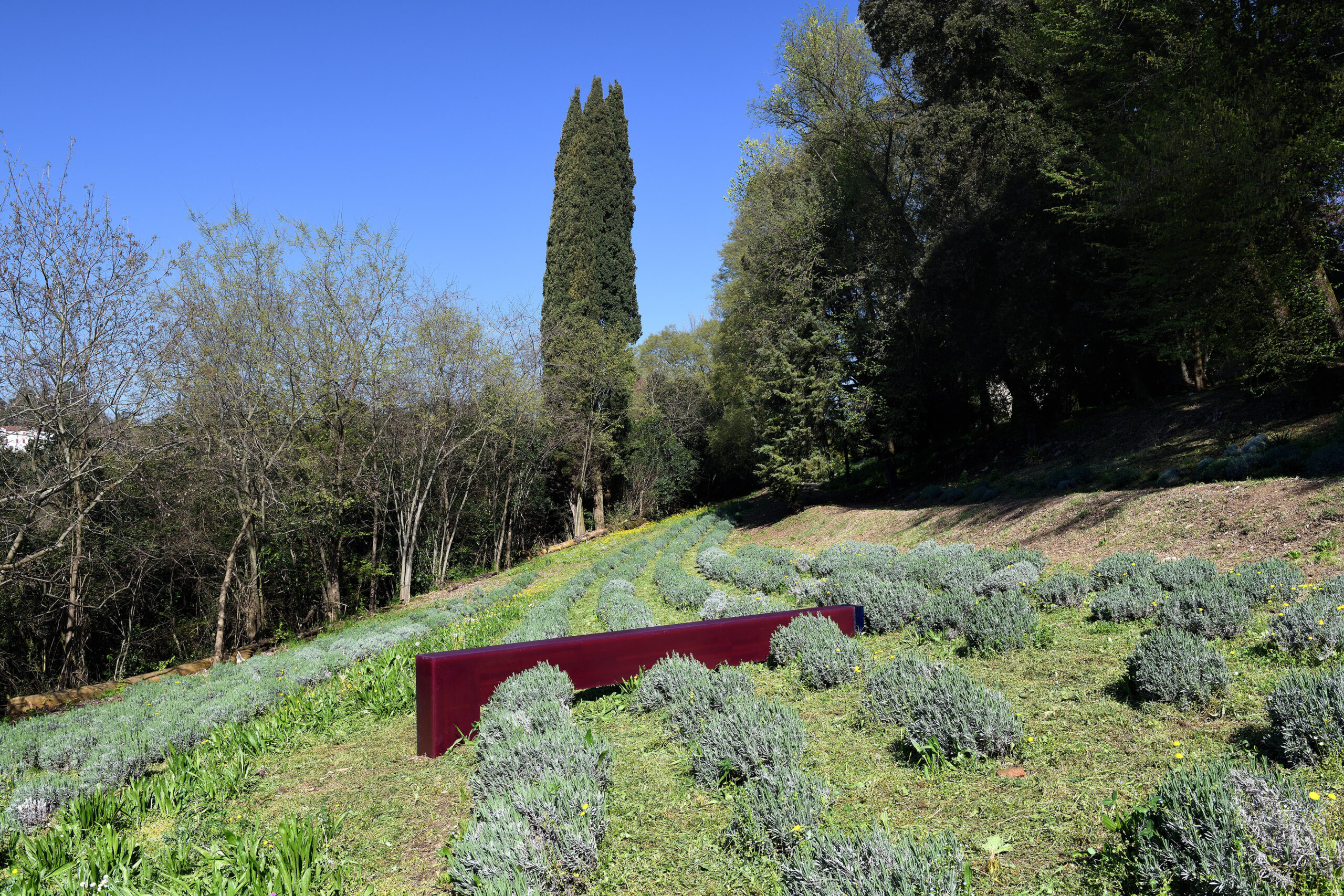
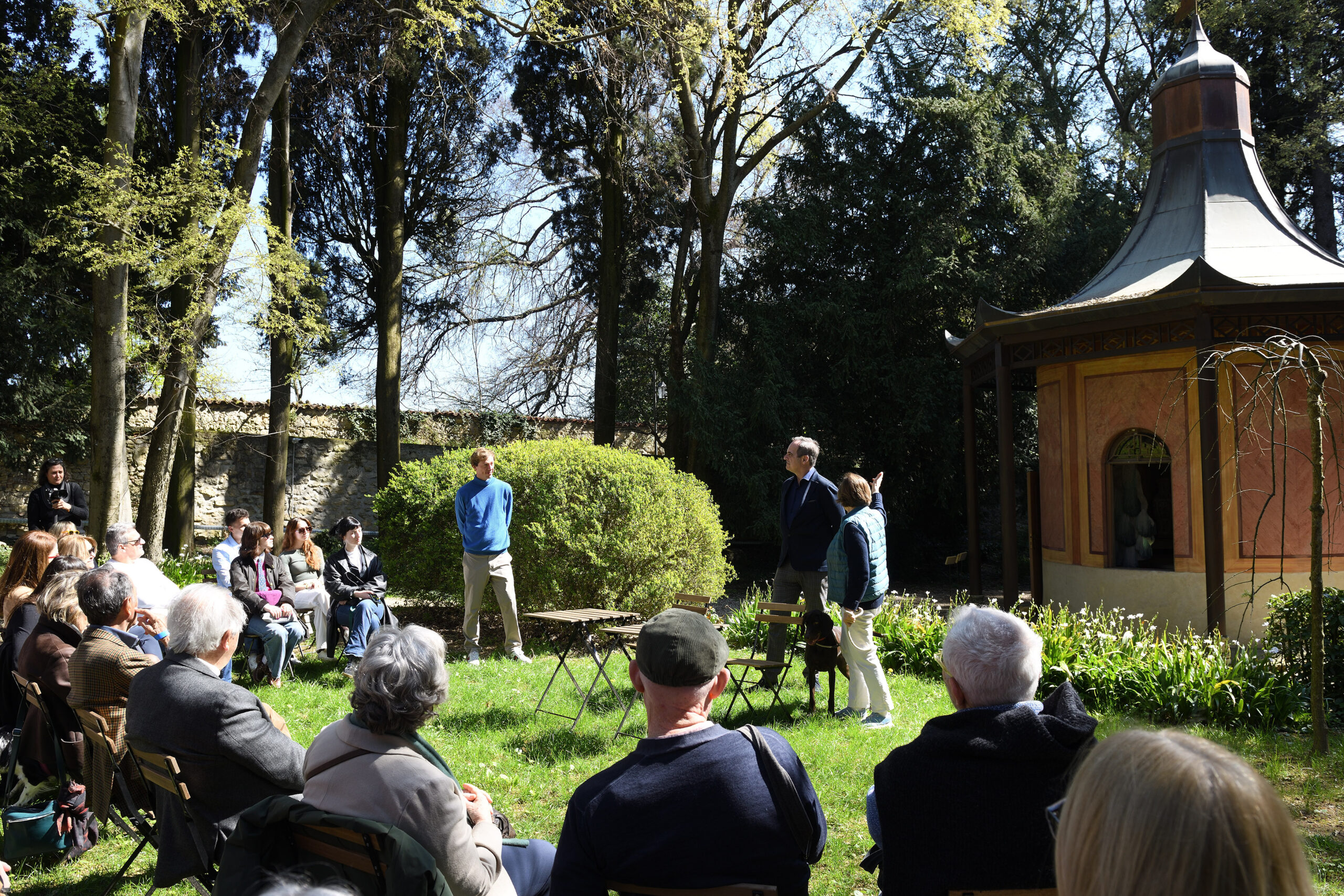
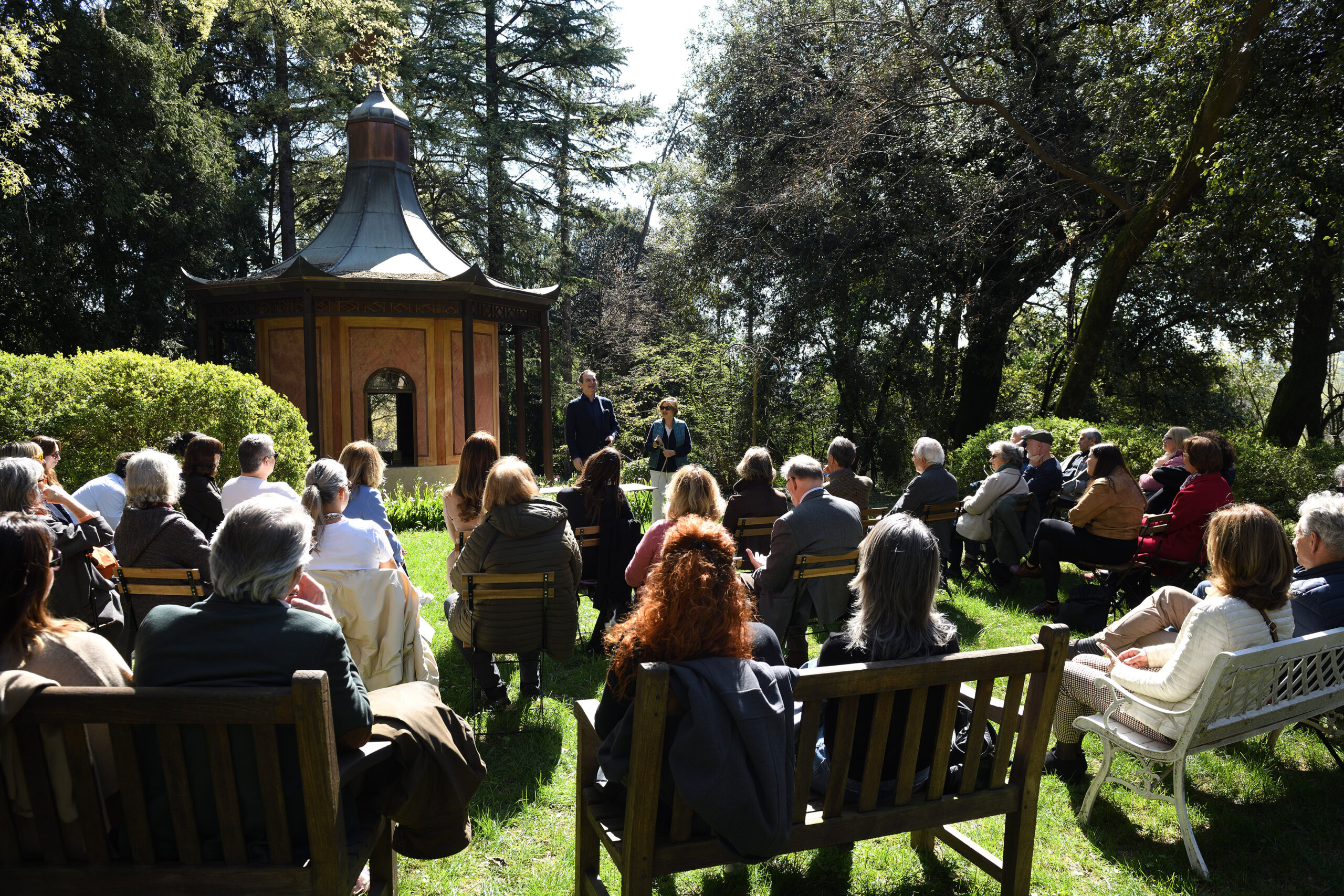
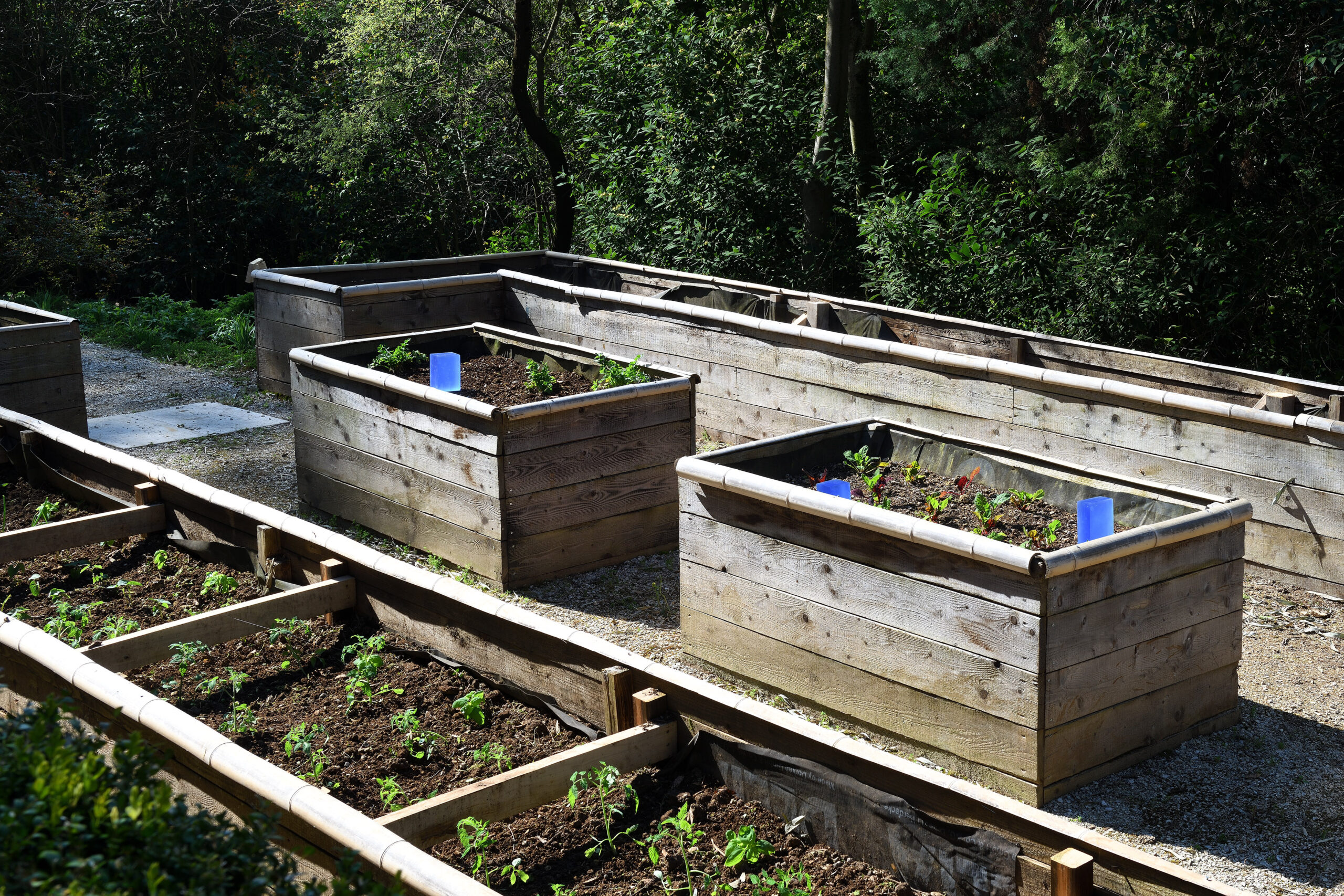
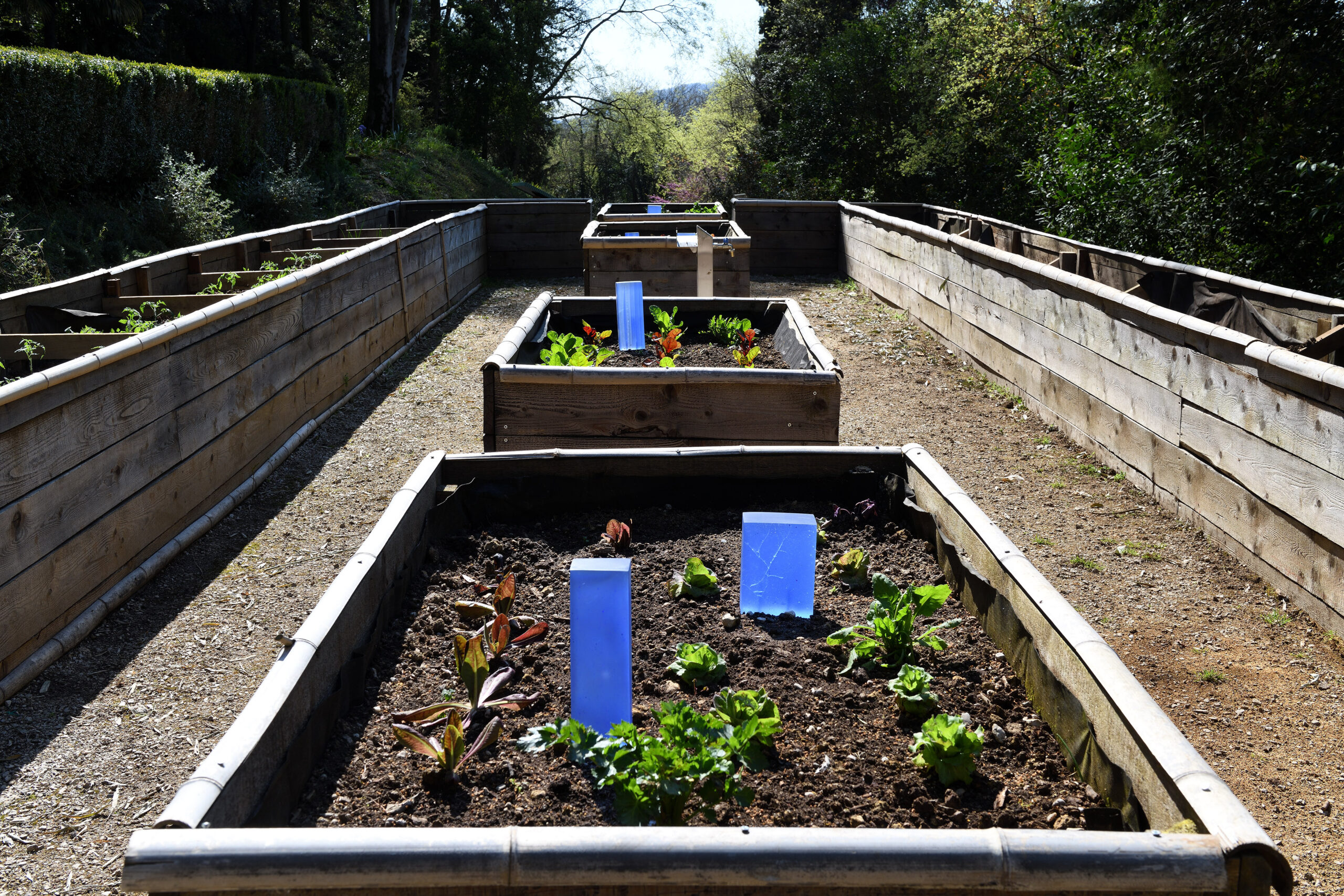
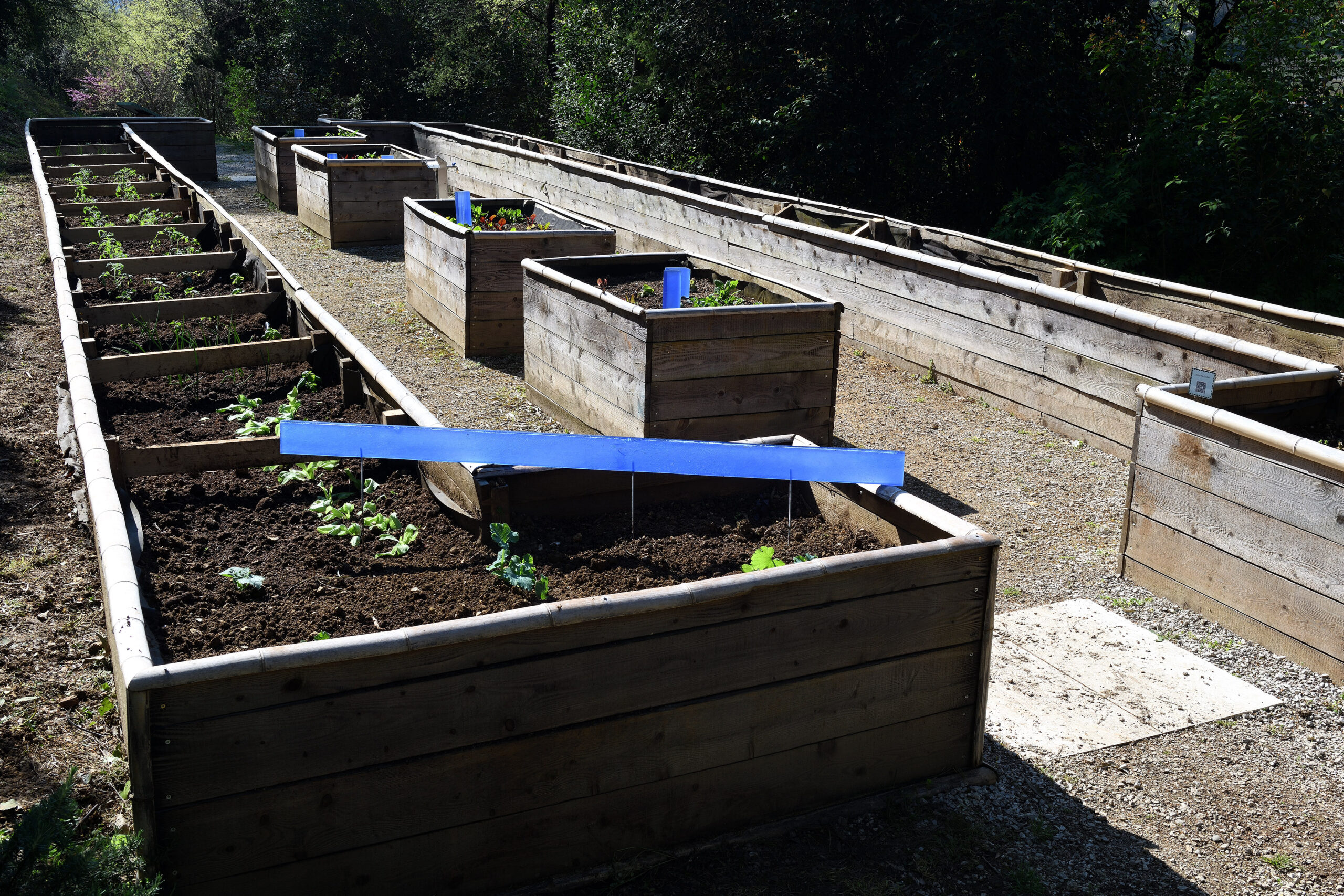
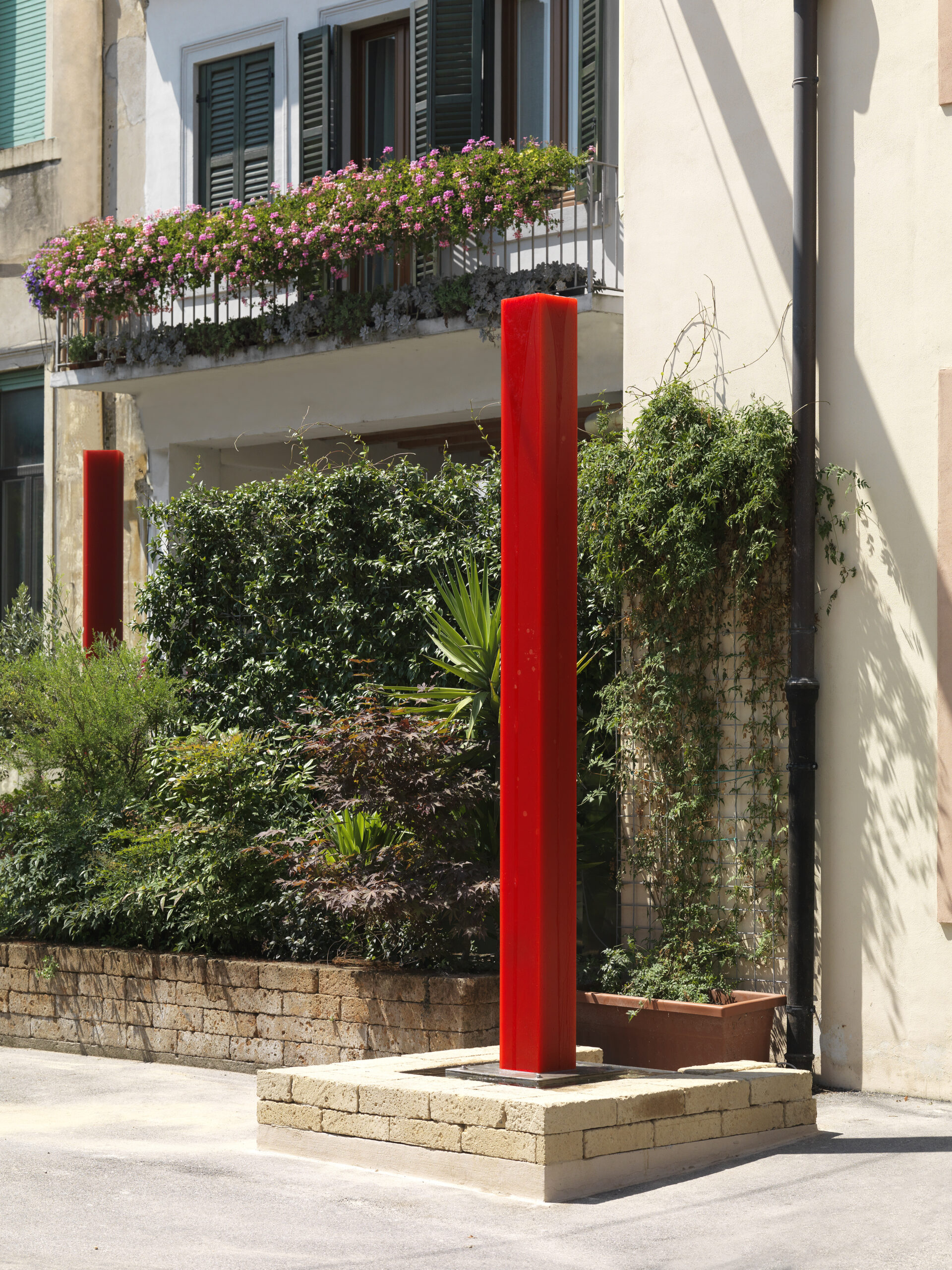
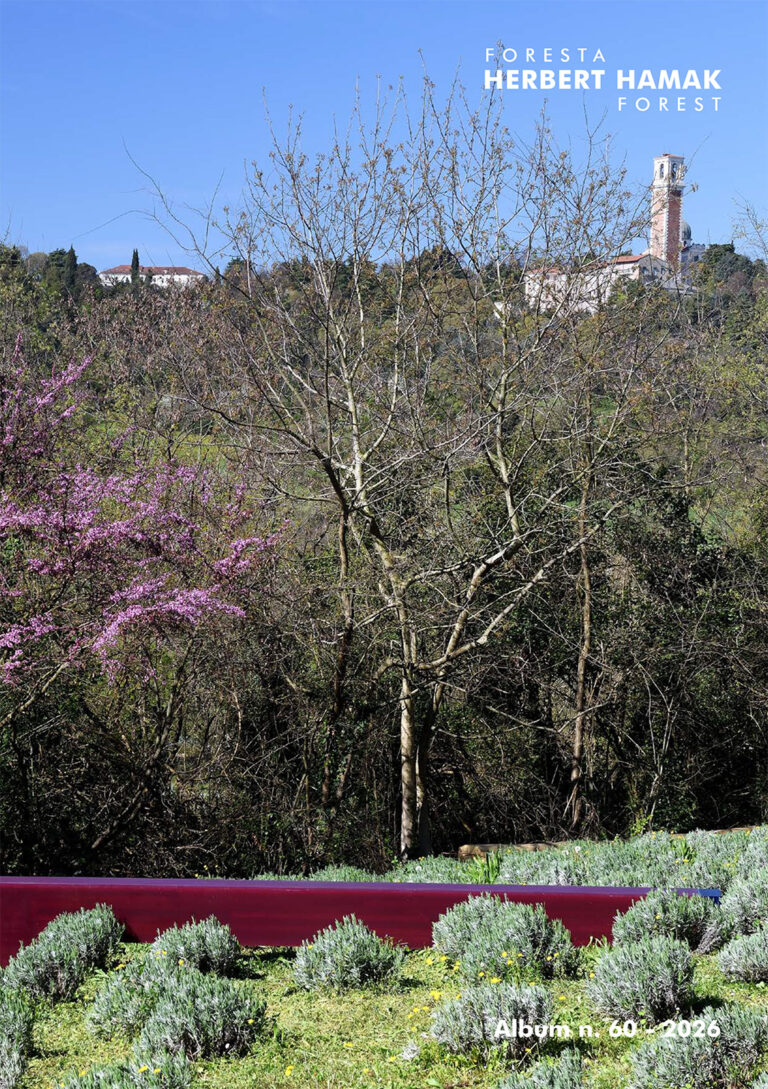
At Villa Valmarana—“a place joyful, pleasant, convenient and healthy,” as Palladio writes in Book II, and the repository of those delicate frescoes which, in Goethe’s words, “Tiepolo decorated, giving free rein to all his virtues”—all this becomes particularly evident today. For Hamak does not situate himself here within an architecture merely to be received or measured by it; rather, he enters a subtler constellation composed of villa and woodland, threshold and light, constructed memory and everyday landscape.
It is precisely this intertwining of nature and inhabited presence that surrounds, protects, and almost nourishes the dwelling, offering the most accurate key to the encounter. The works do not interrupt what envelops them, do not decorate it, do not superimpose themselves upon it. Instead, they allow a secret temperature to surface. They make it perceptible. As if colour, rather than adding itself to the context, revealed a vibration already present within it—a latency, a deep tonal register.
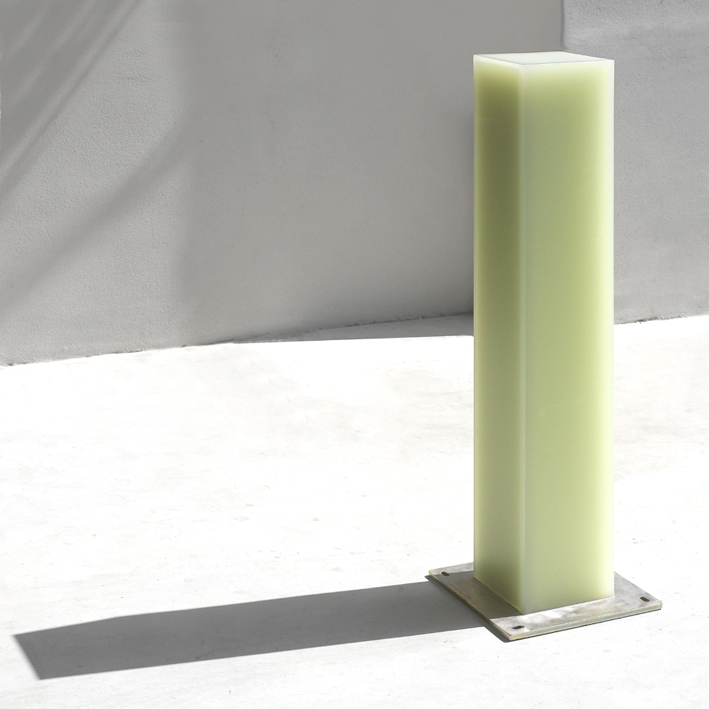
In this sense Hamak always acts with a precision that possesses something extremely light. He does not impose, invade, or proclaim; he tunes. And in tuning, he transforms. Very little is needed—in his vertical or suspended presences, in the translucent bodies that seem to hold air and light—for the clearing to become more intense, the dwelling more present, the threshold between architecture and landscape both subtler and more defined.
Thinking back to the long dialogue that has connected me to this artist, certain exemplary places inevitably come to mind. Castelvecchio, first of all, where Hamak was able to measure himself against one of the highest spatial orchestrations of twentieth-century Italy, accompanying and almost underscoring—without ever forcing them—the tensions between space, color, and sculpture already masterfully articulated by Carlo Scarpa. At the time I wrote that the artist knows how to place his works in a “perfectly familiar dialogue,” as though they had always inhabited those places—a formulation that returns today with surprising naturalness here at Villa Valmarana.
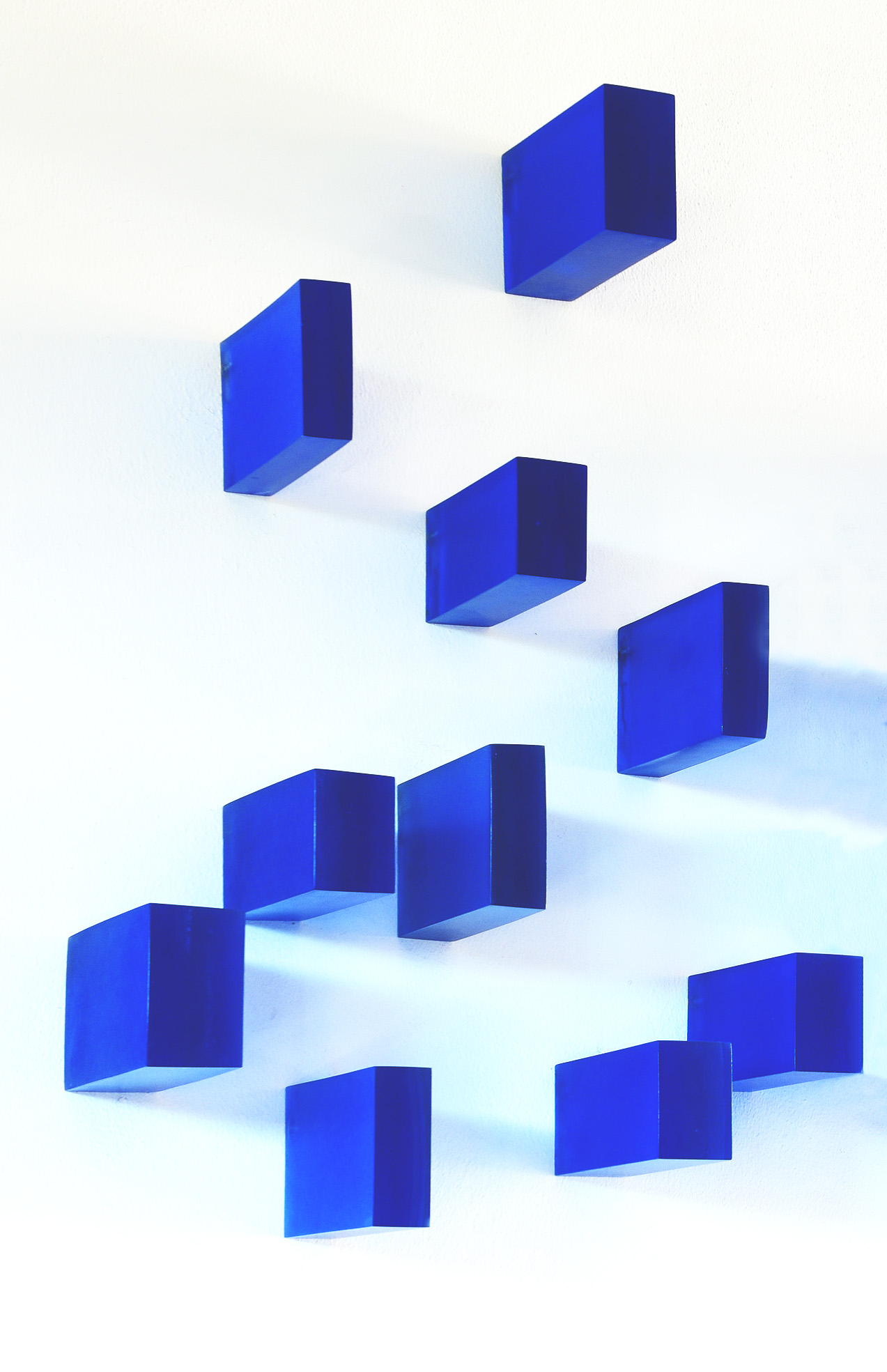
Then there is the unforgettable rhythm of his interventions along the great crenellated walkway of the Scaliger Castle, where colour became cadence and pause, a sign capable of traversing the historical context without disturbing its breath. And Venice, at the Peggy Guggenheim Collection, where the great Dark Ultramarine Blue Column, placed near the gazebo of the Nasher Sculpture Garden, seemed truly to unite sky and earth, radiating into the surrounding space and conversing, with absolute naturalness, with the memory of the great masters of sculpture.
In all these cases Hamak has never simply installed works; rather, with an extremely rare sensitivity, he has identified the point at which colour could become place.
It is also for this reason that this occasion appears to me particularly felicitous. It renews, almost without premeditation—and therefore all the more authentically—a conviction that has long accompanied me: that the highest historical sites should not be defended from contemporaneity, but illuminated by the right encounters. And this is one of them.
A grateful thought therefore goes to those who care for this villa and make possible today a new and generous opening, and to Francesco Sutton, who with sensitivity and intelligence continues to foster the dialogue between works and spaces endowed with a powerful identity. In this equilibrium between architecture and landscape, between memory and presence, Hamak brings something deeply belonging to his practice: a painting becomes light, a presence that speaks in a low tone and that, precisely for that, still manages—with rare intensity—to transform the way we see.
Venice, 2026
Villa Valmarana ai Nani – il Bosco
Via della Rotonda, 34 – 36100 Vicenza – Italy
From March 28th 2026