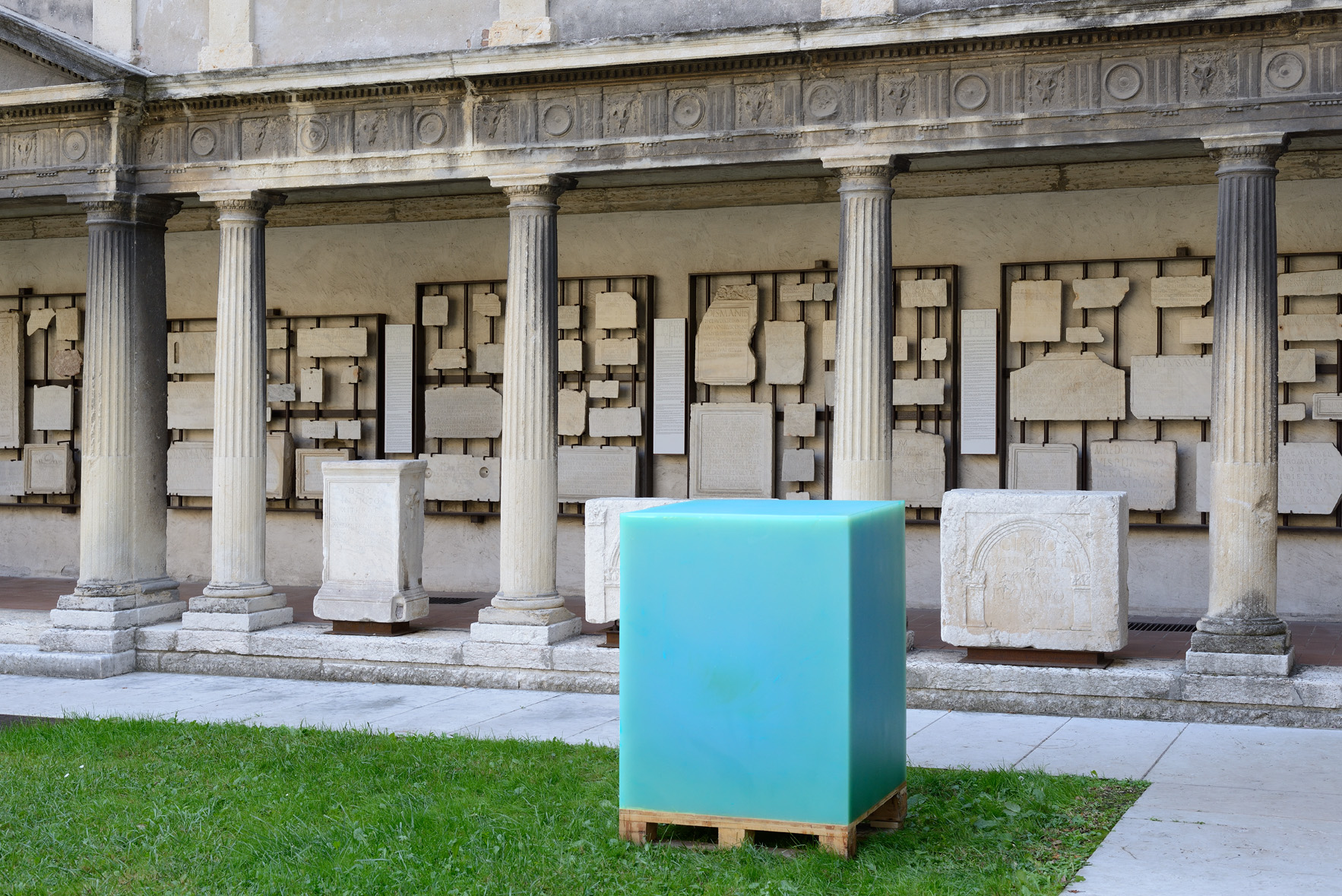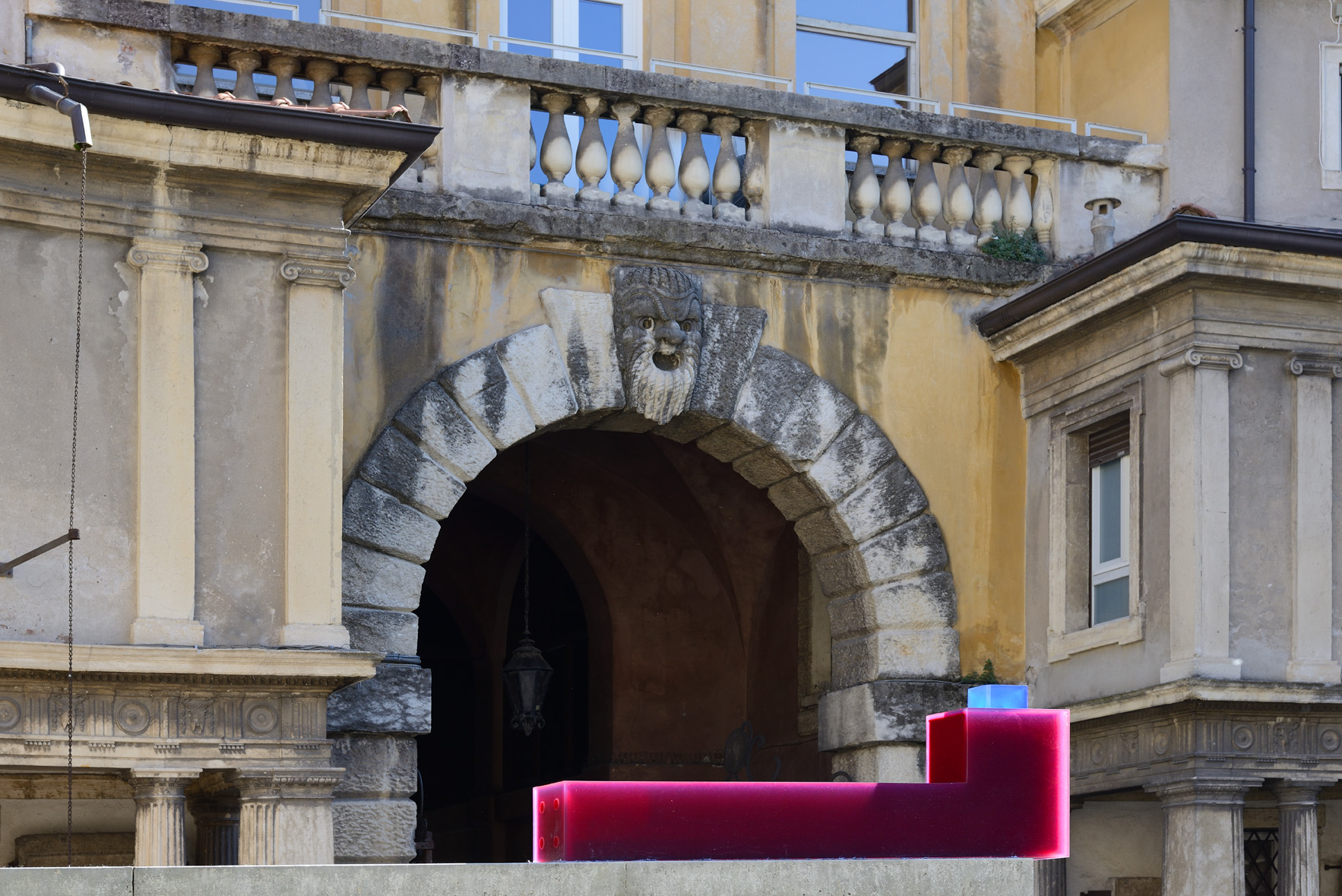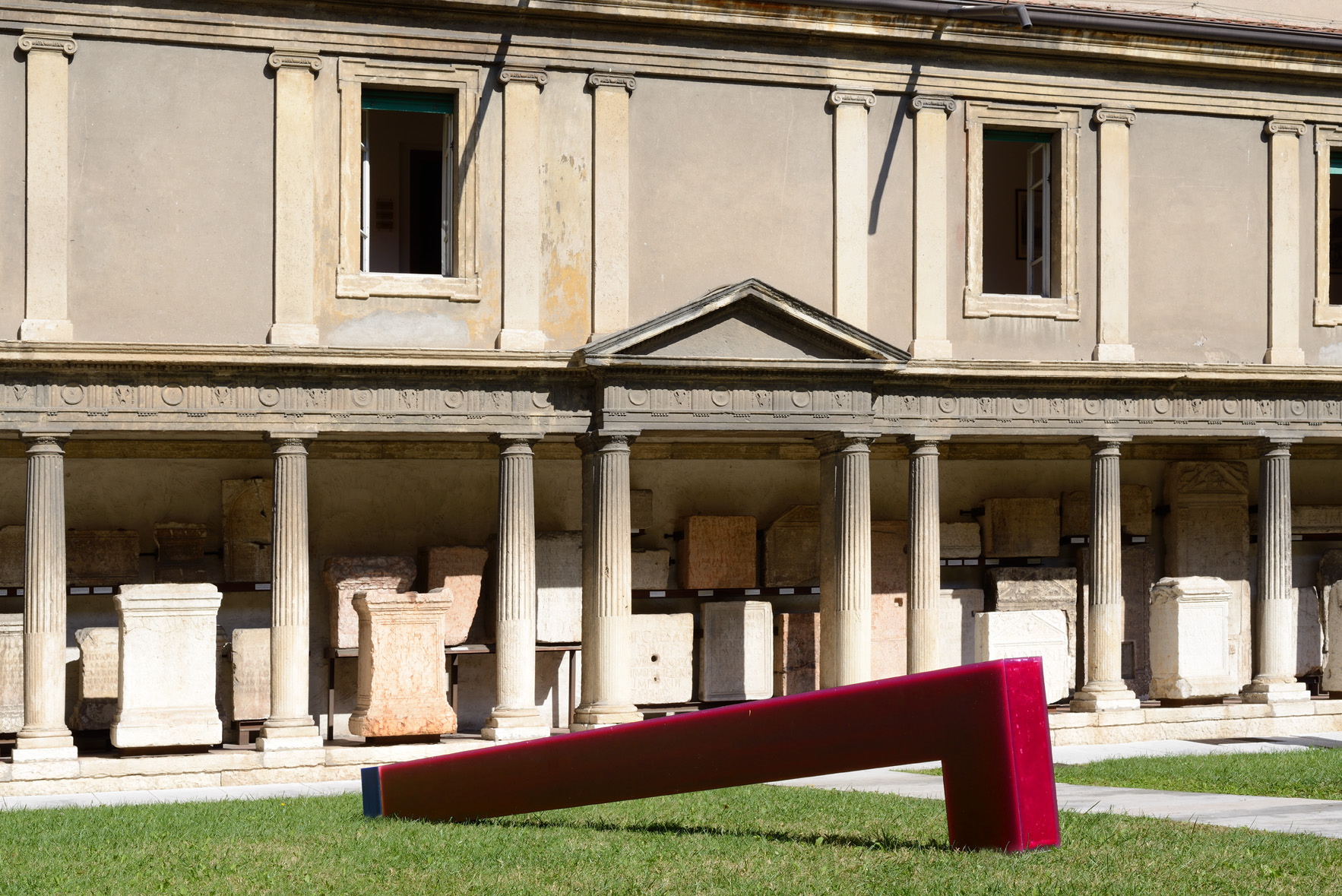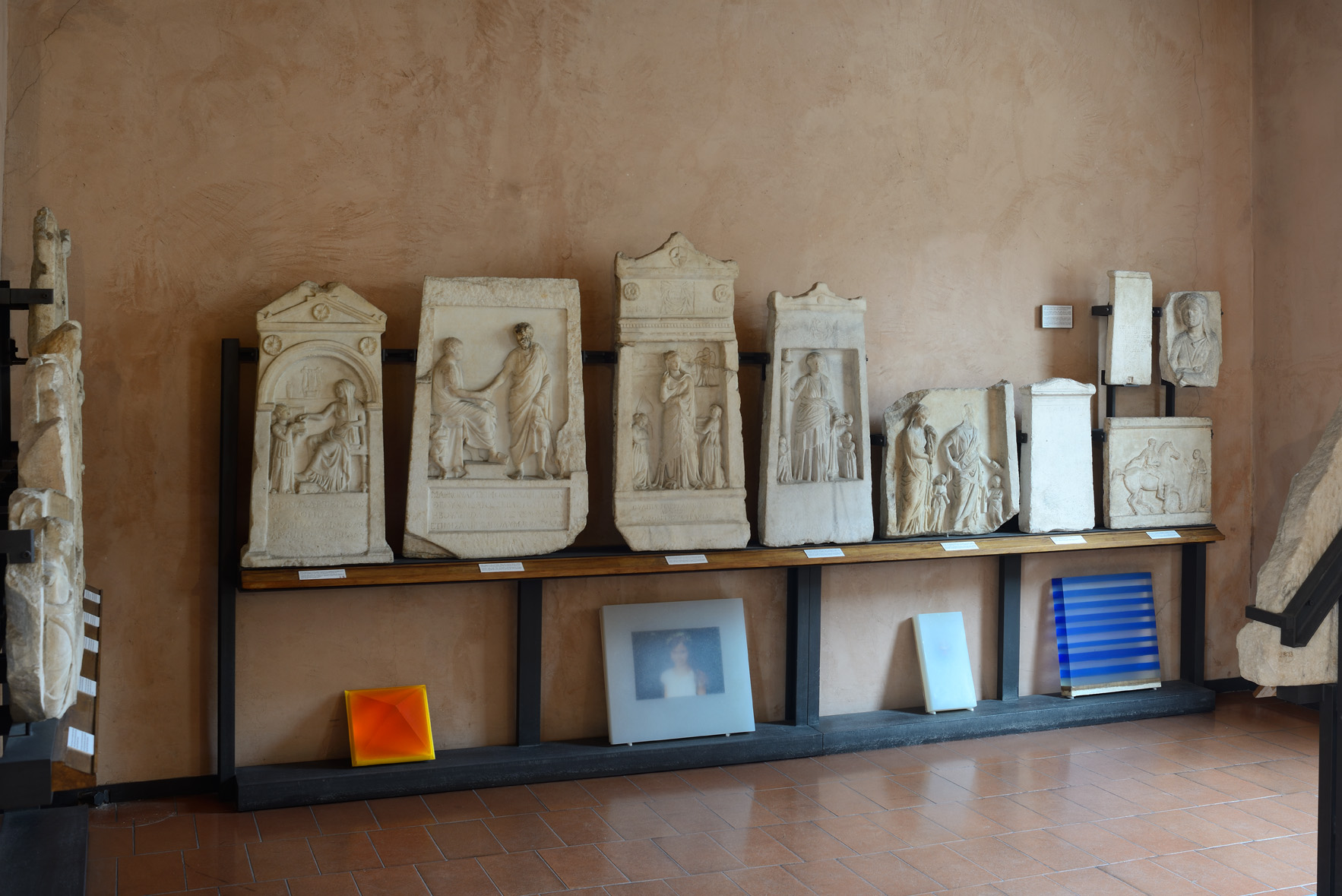
The city of Verona marks the origin of my relationship with Italy, a bond that began over 25 years ago and continues to this day. Upon my initial arrival, I experienced a sensation akin to that of 19th-century travelers arriving from the North—the land of Sehnsucht (“longing”). It is where Northern European melancholy encounters the presumed conviviality of the South.
I was profoundly struck by the medieval architecture, much of which remains remarkably intact, and its invaluable artistic treasures. My preconceived notions of Italy had been shaped by 1950s cinema, yet those images did not reflect reality. My first visit to Castelvecchio, however, offered a different perspective. The structure did not present itself in a purely medieval style, as it might first appear; through meticulous intervention, it had been transformed into a museum by a sensitive and discerning architect, Carlo Scarpa. Among his considerations was the notion that, during the Middle Ages, buildings featured exposed masonry. Today, however, it is believed that such masonry was actually plastered and painted in vibrant hues.
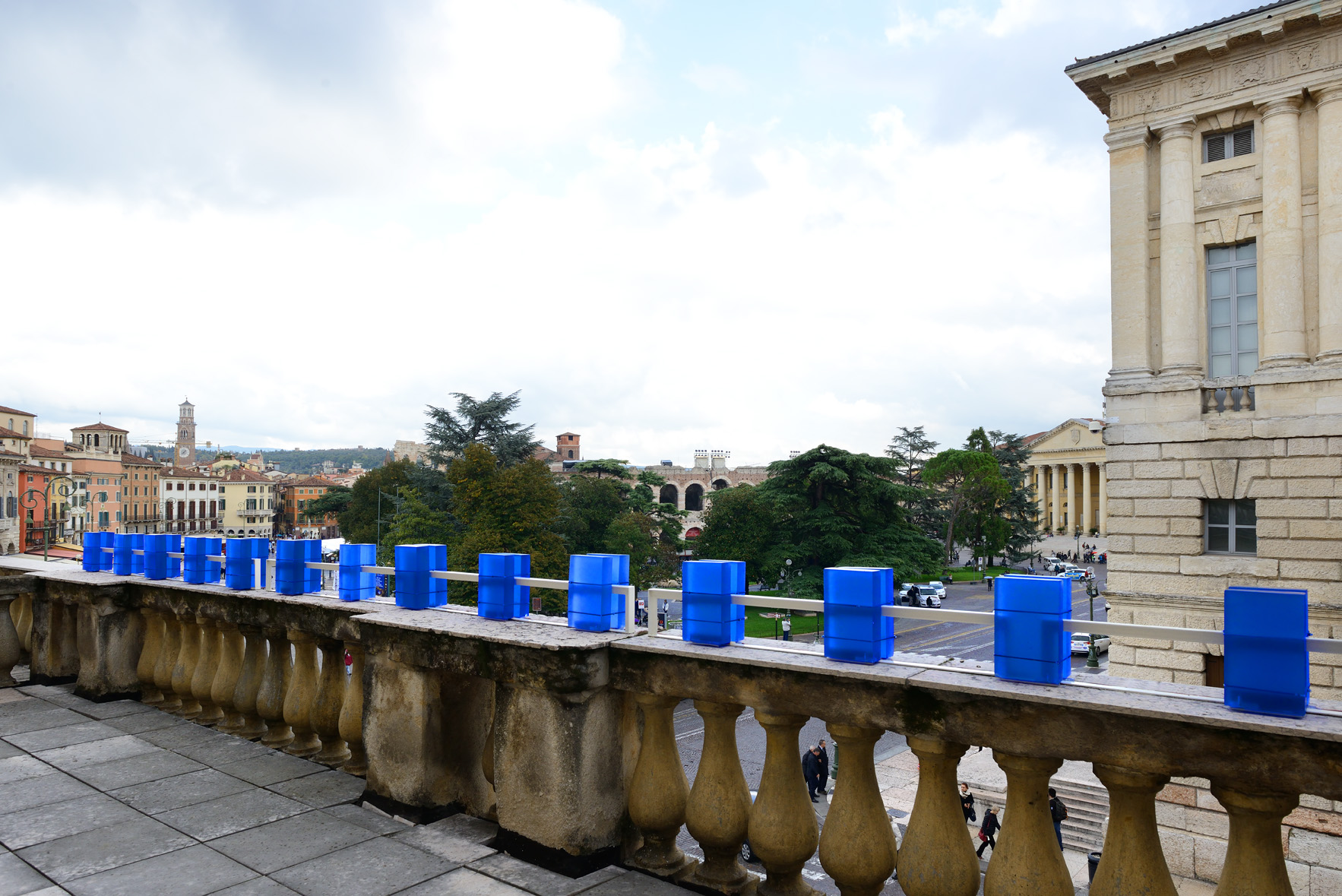
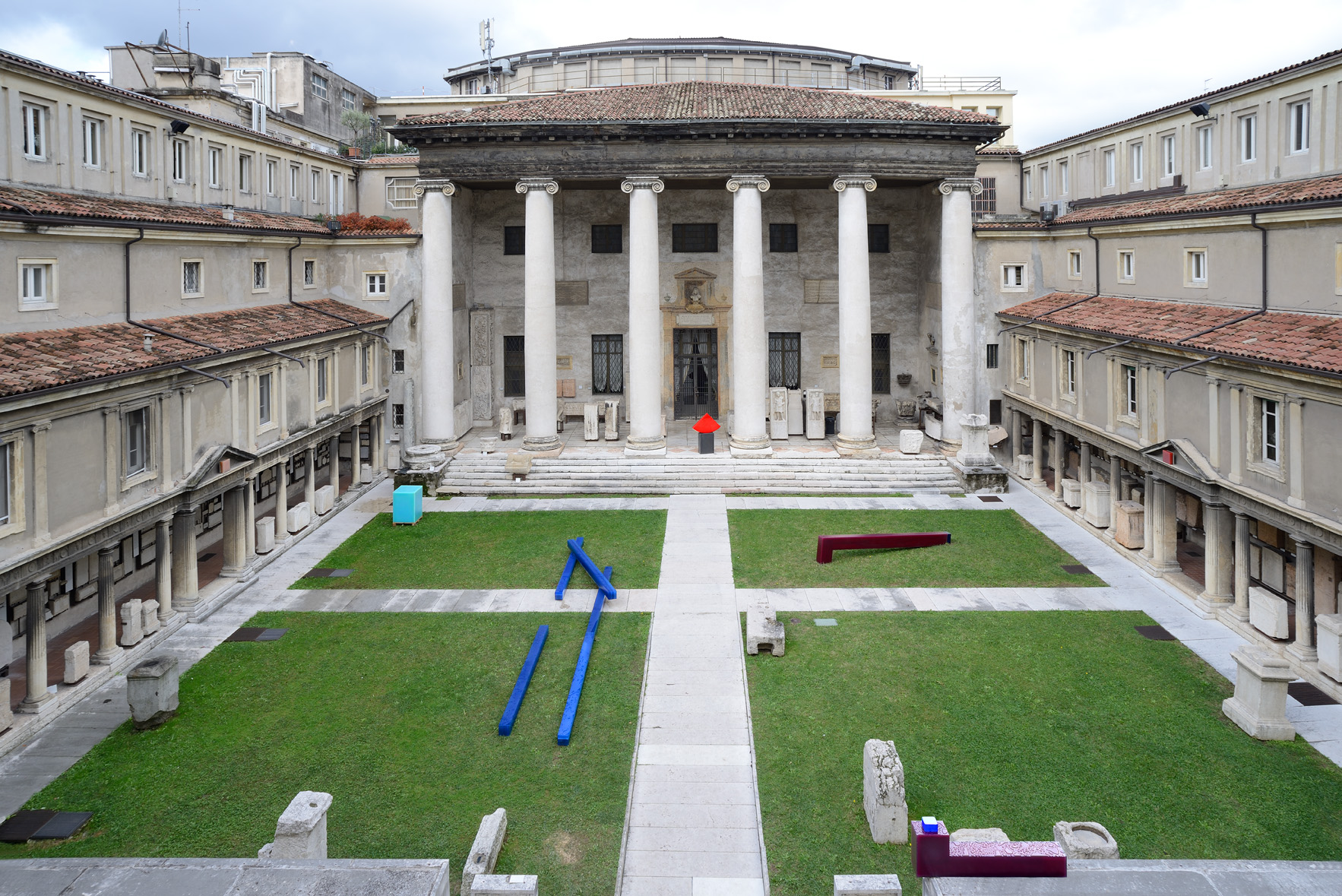
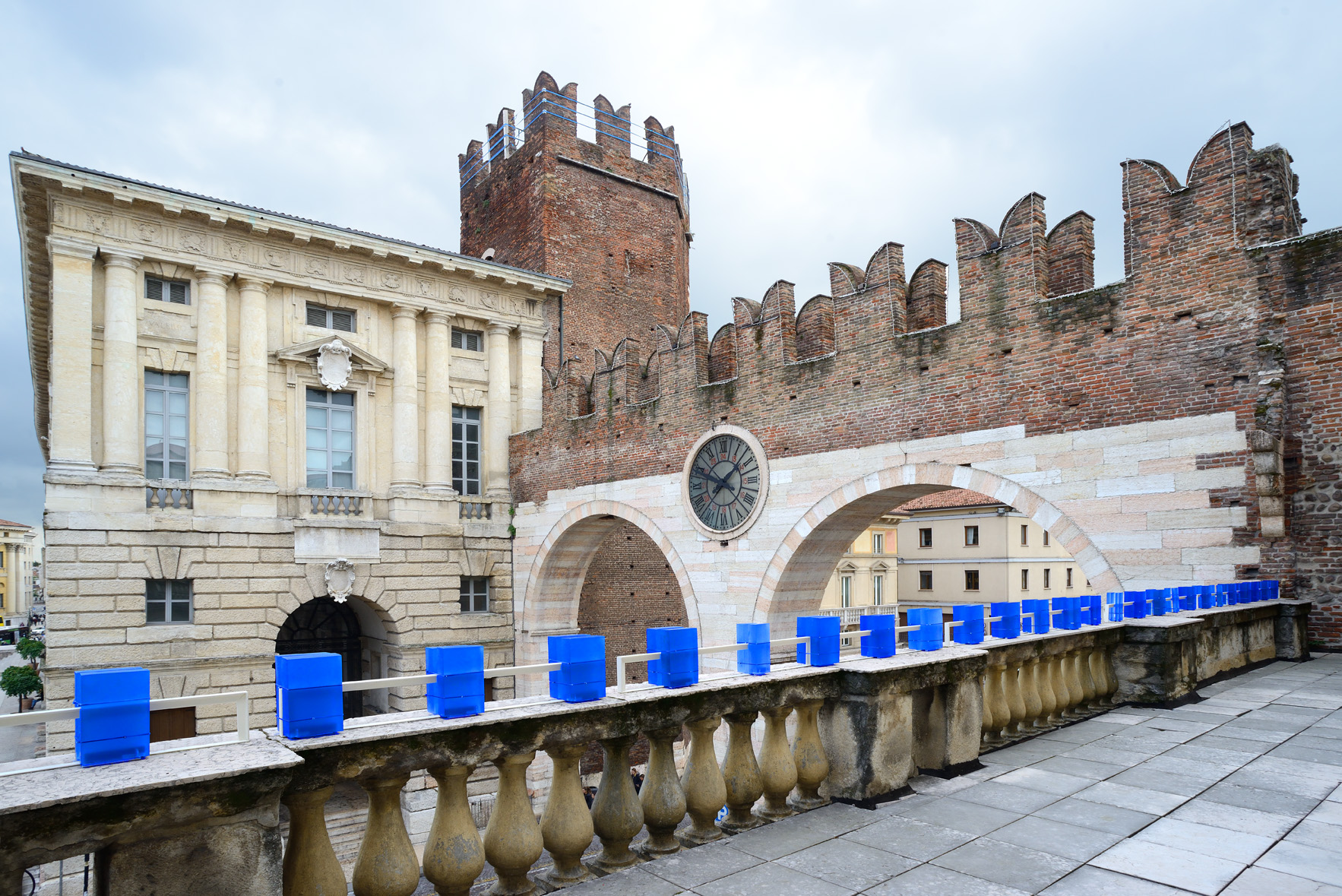
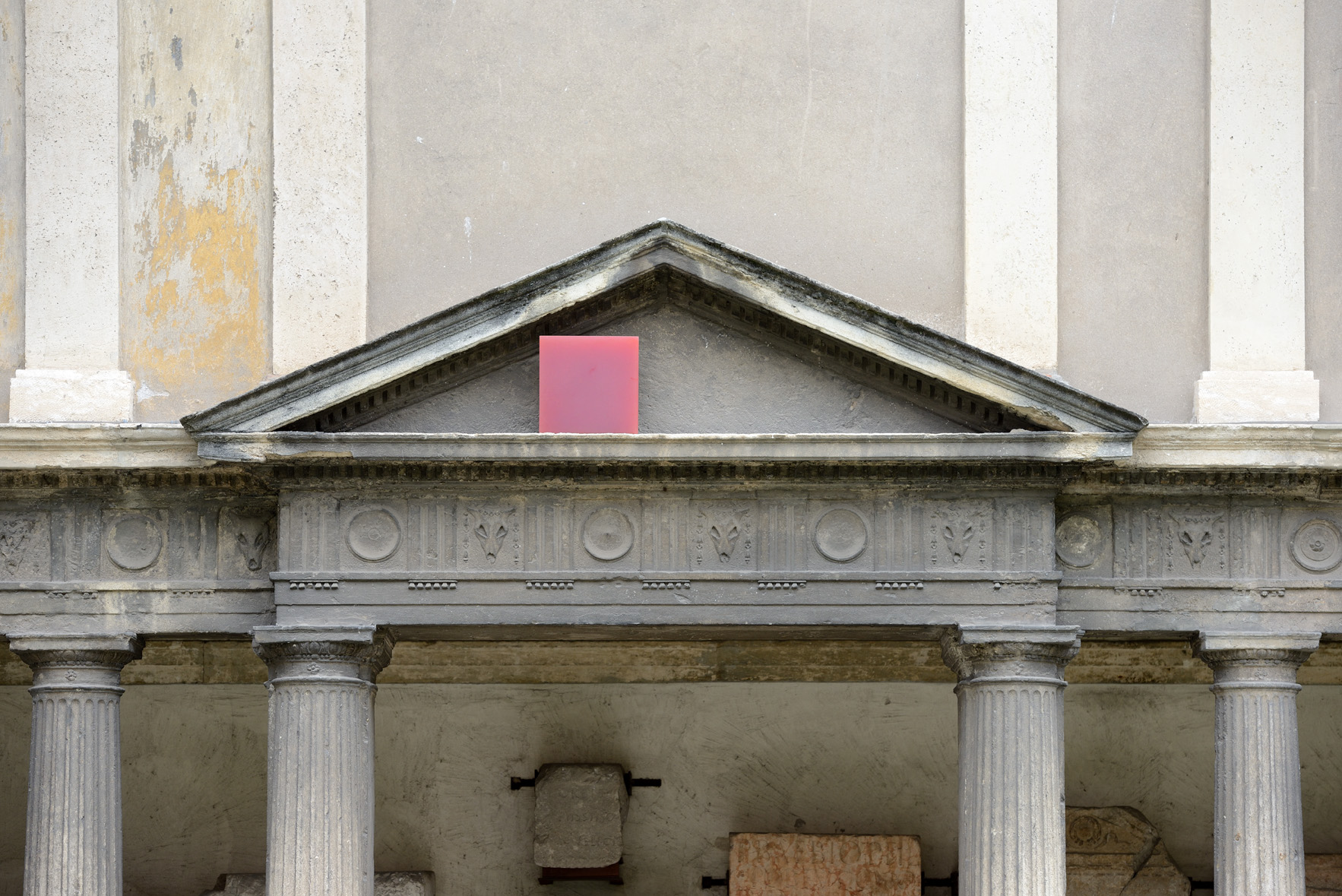
My intention was to reintroduce color to these edifices. I selected ultramarine blue—a color regarded in Italy as deeply evocative and one that simultaneously belongs to the heraldic tradition of Verona. To avoid the impression of a pseudo-historical reconstruction, I chose to apply the colors to the battlements of the structure, thereby restoring a degree of chromaticity to the city. Verona must have been a city of myriad colors before the frescoes faded from its facades and the canvas awnings vanished from its windows.
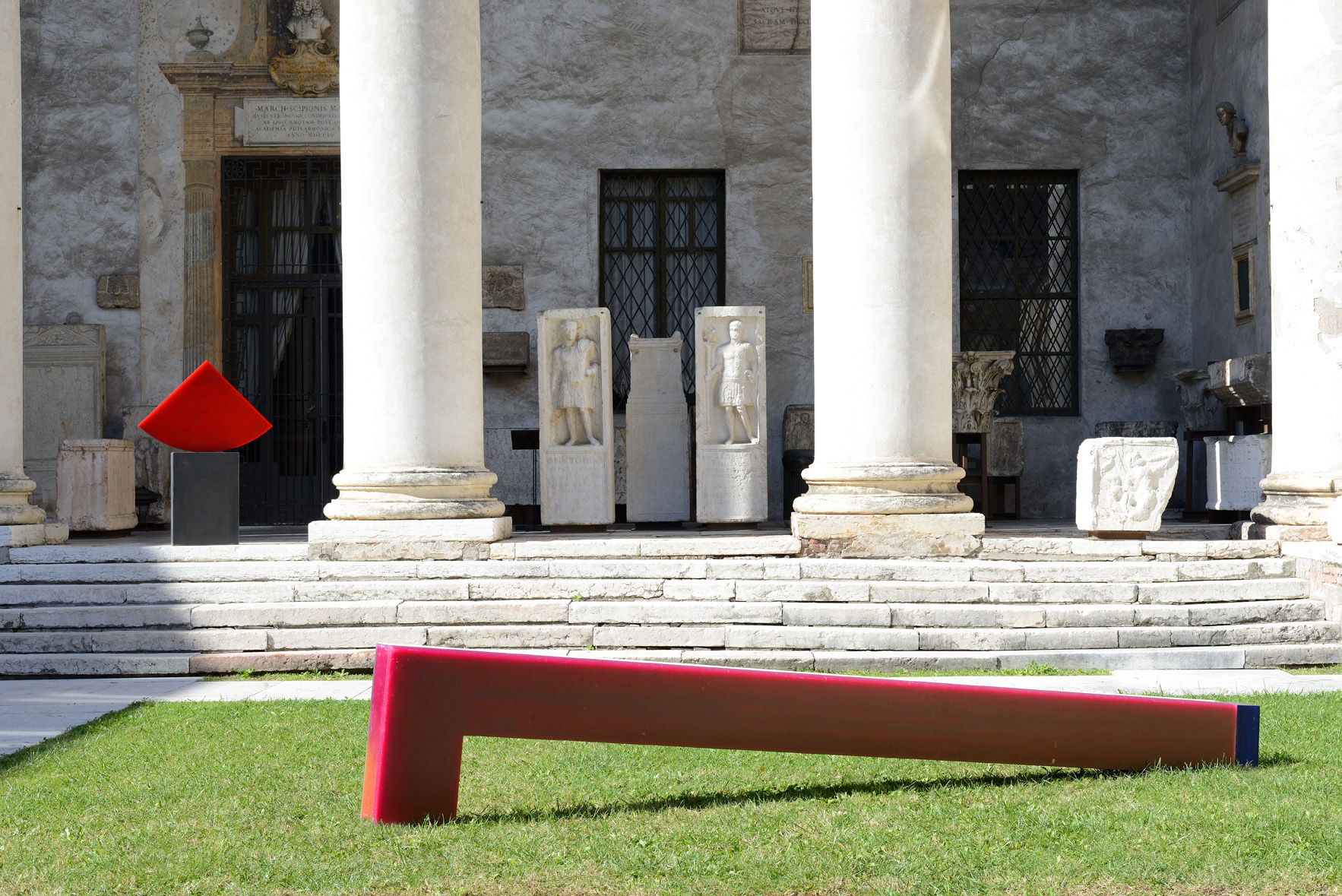
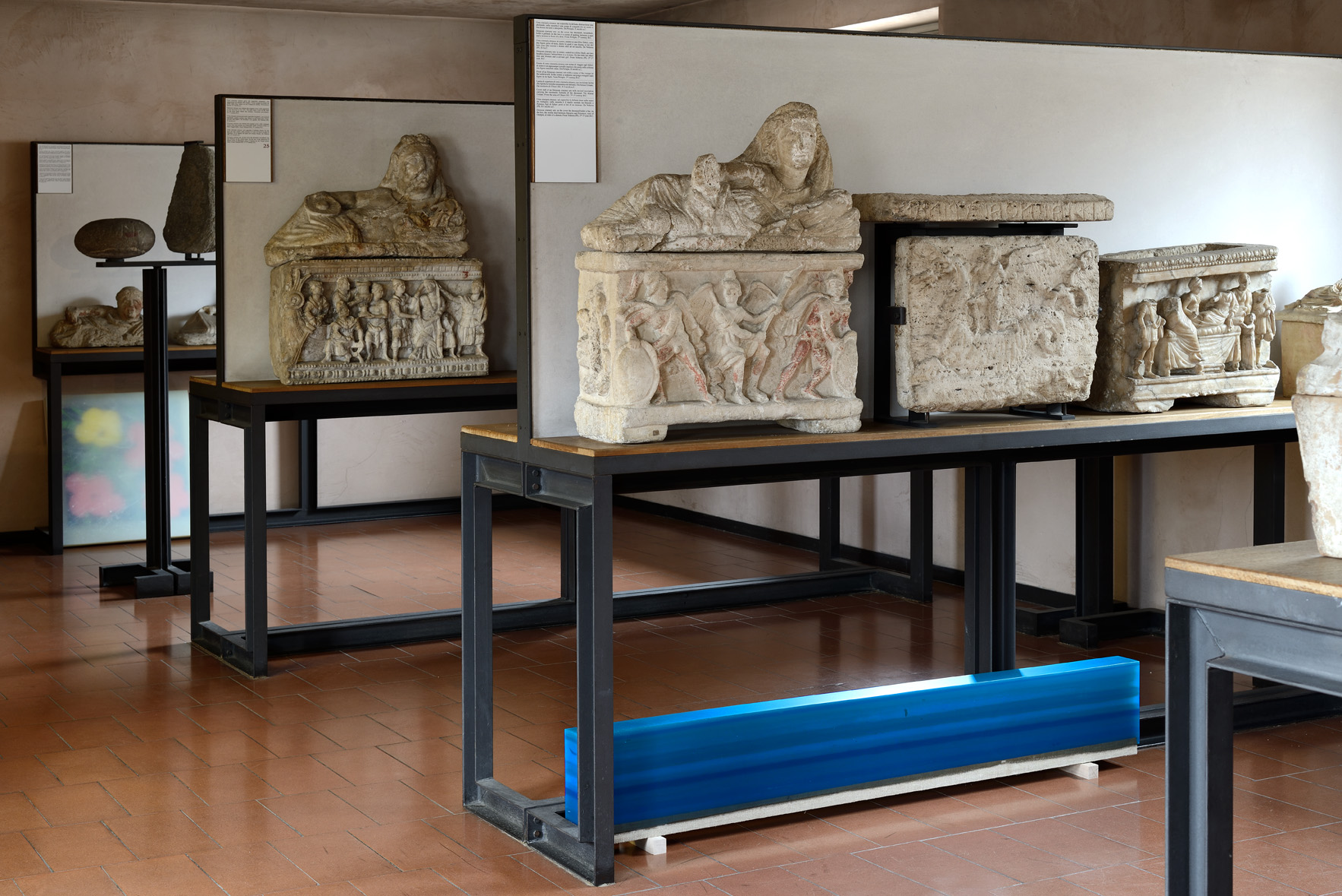
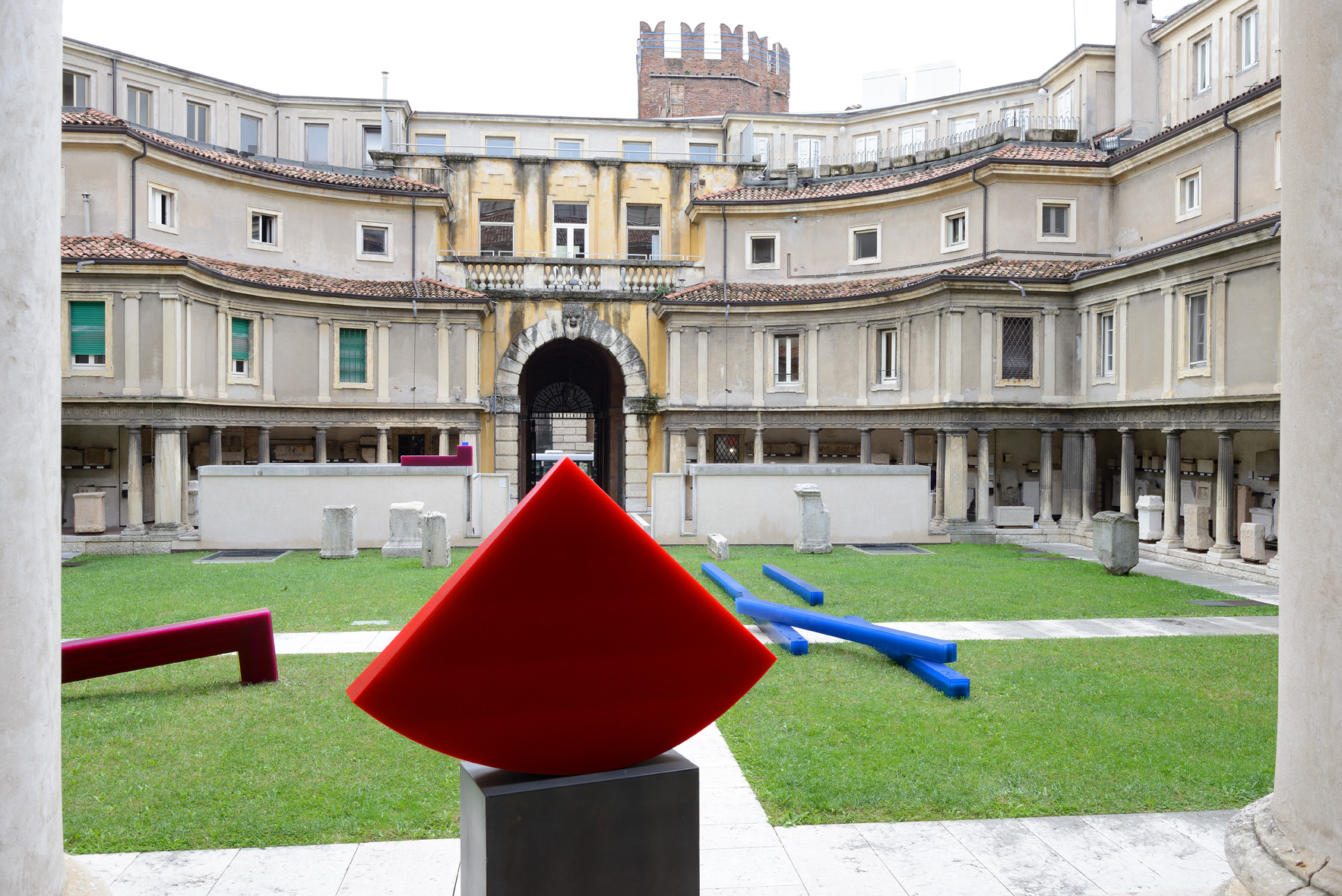
As the Museo Maffeiano is linked to the castle via the ancient city walls, I wish to extend my project of “coloring the city.” Beneath the museum grounds, Roman structures remain preserved; if unearthed, they would serve as a testament to that era. The Museo Maffeiano is a treasury displaying the very origins of our culture.
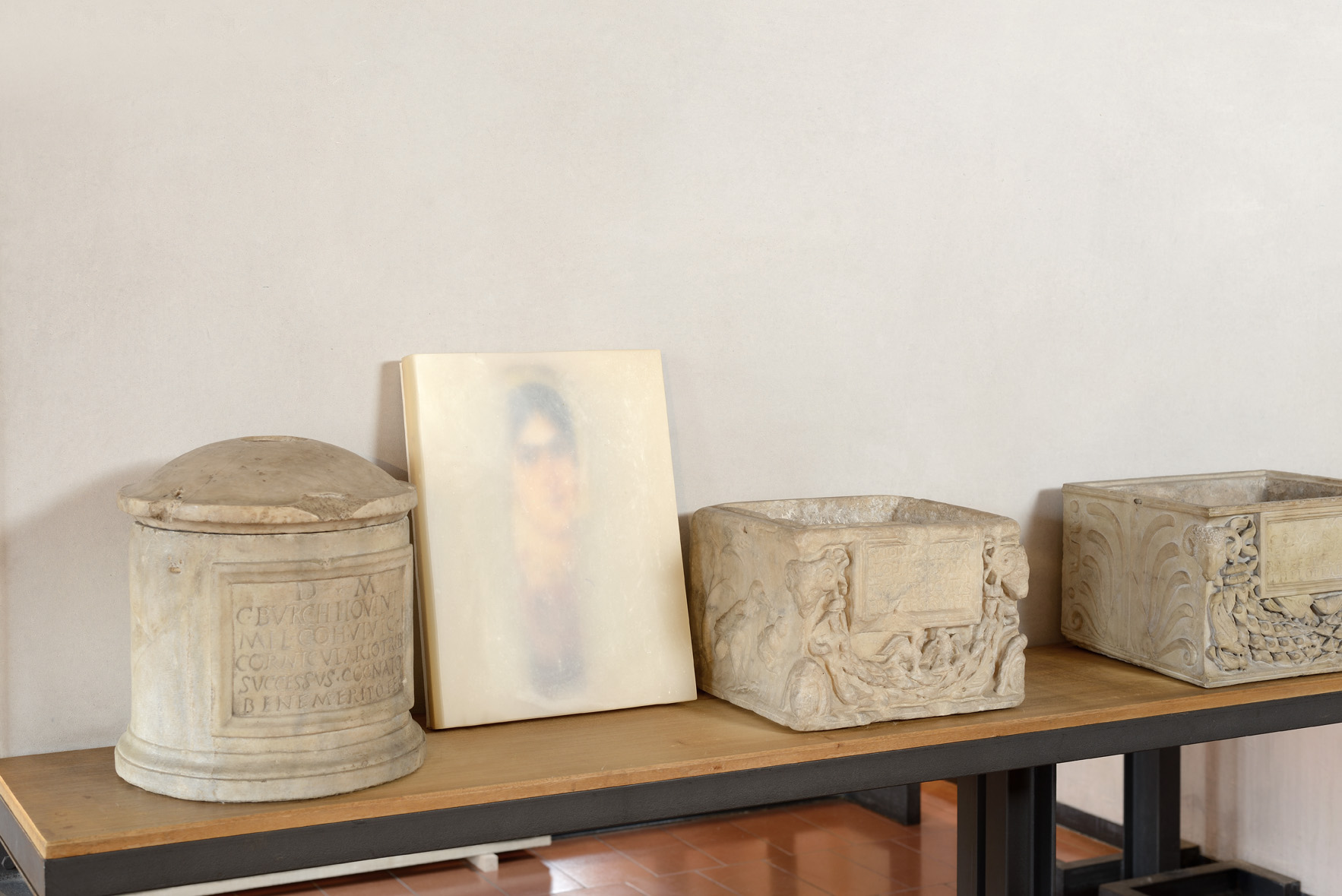
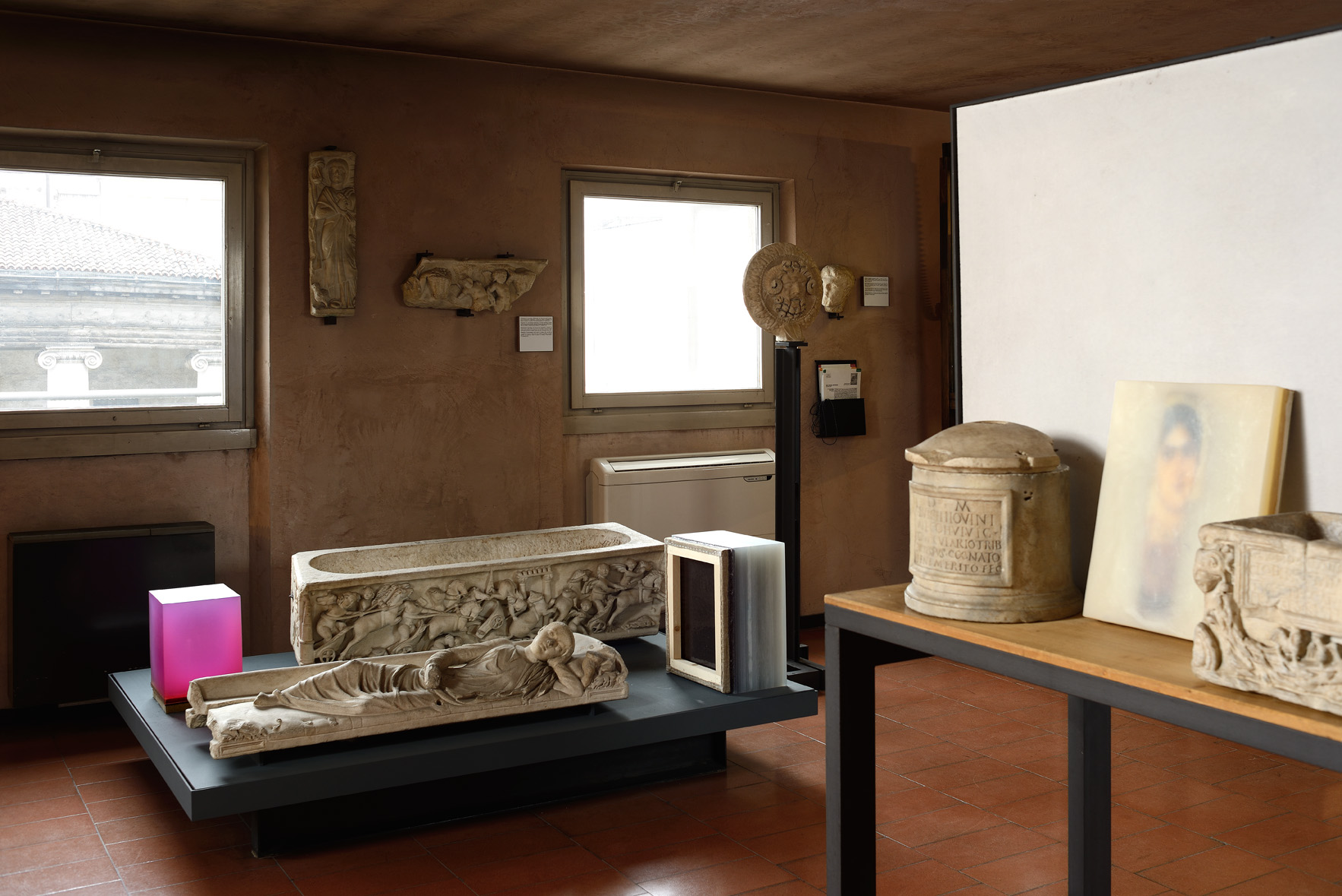
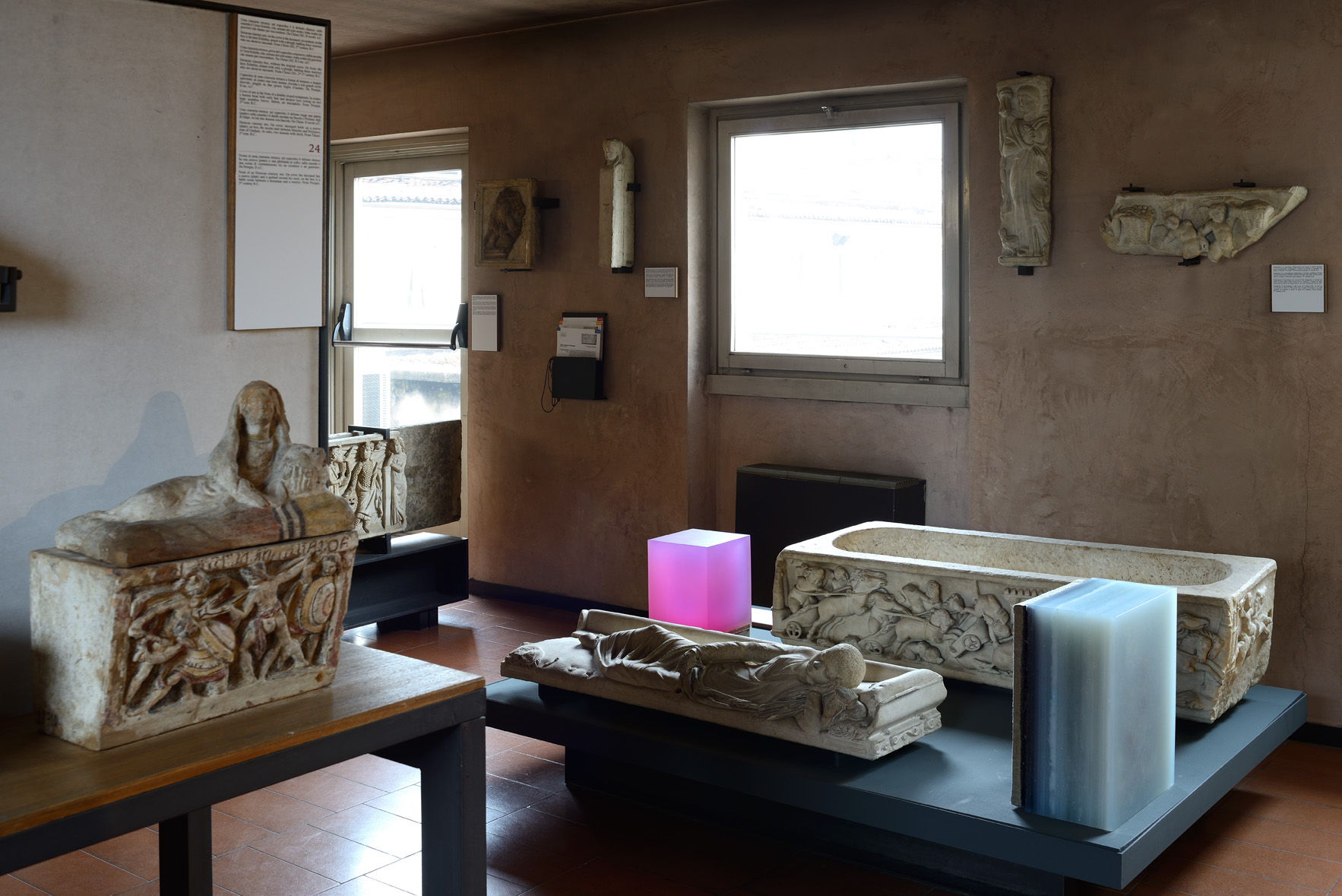
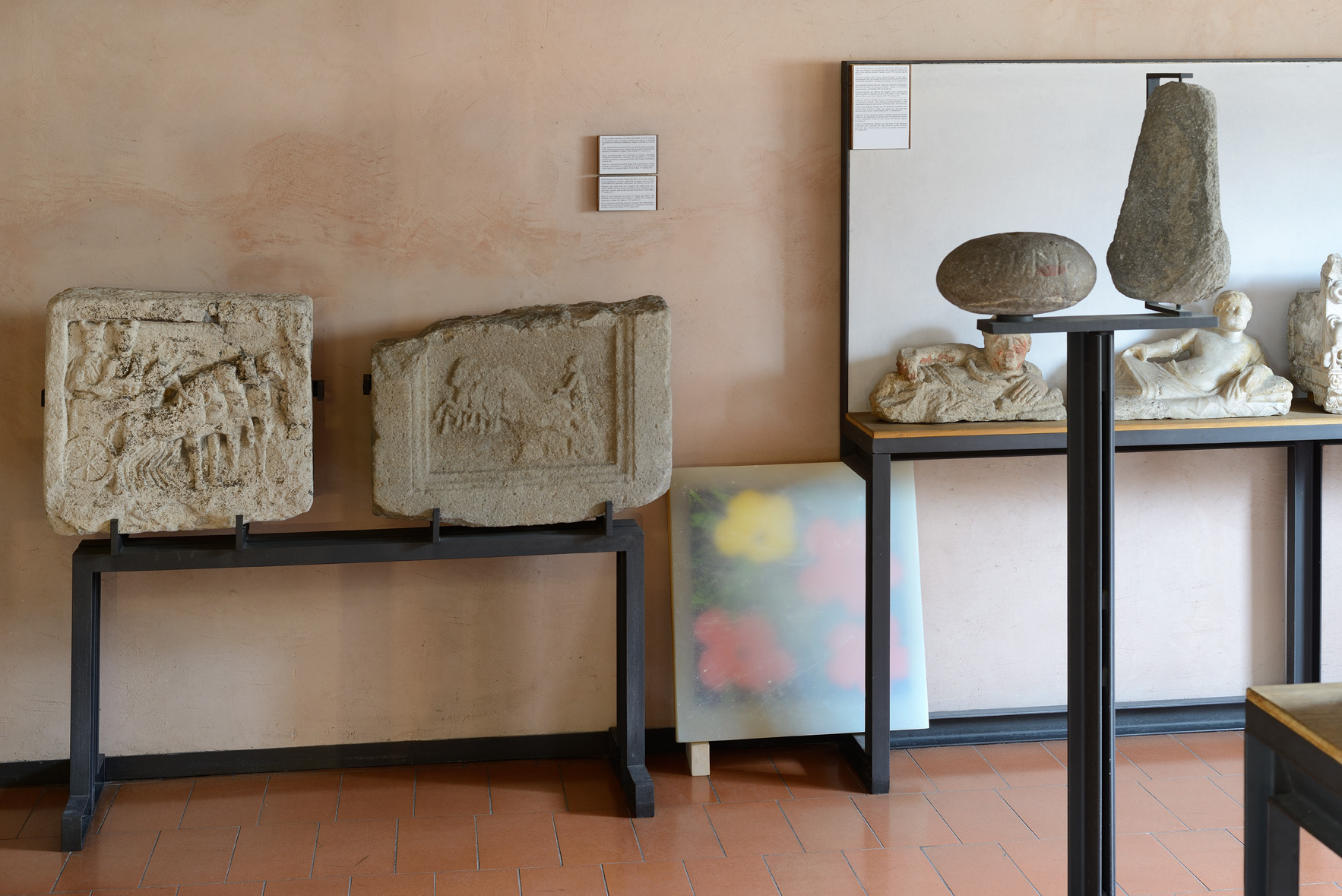
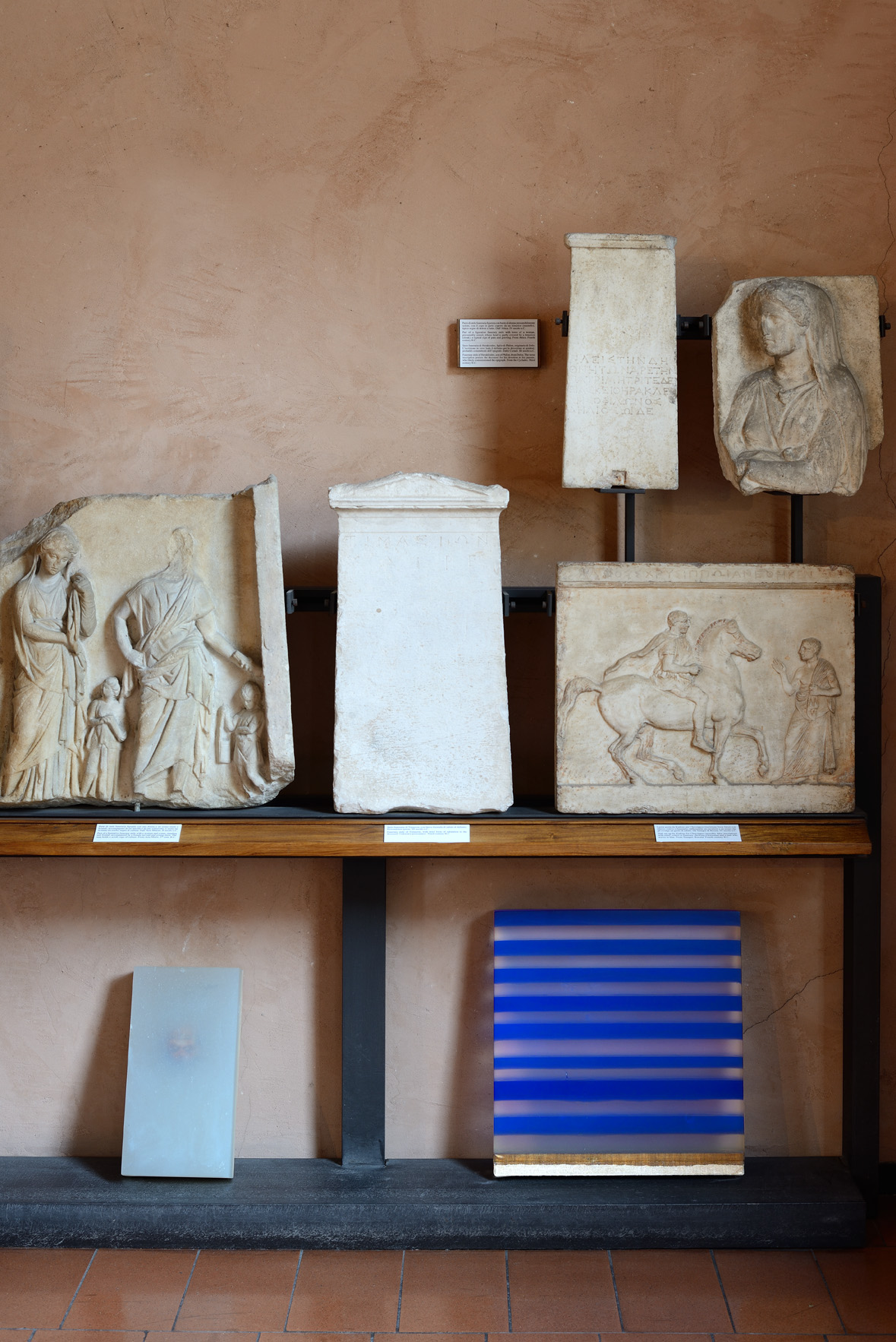
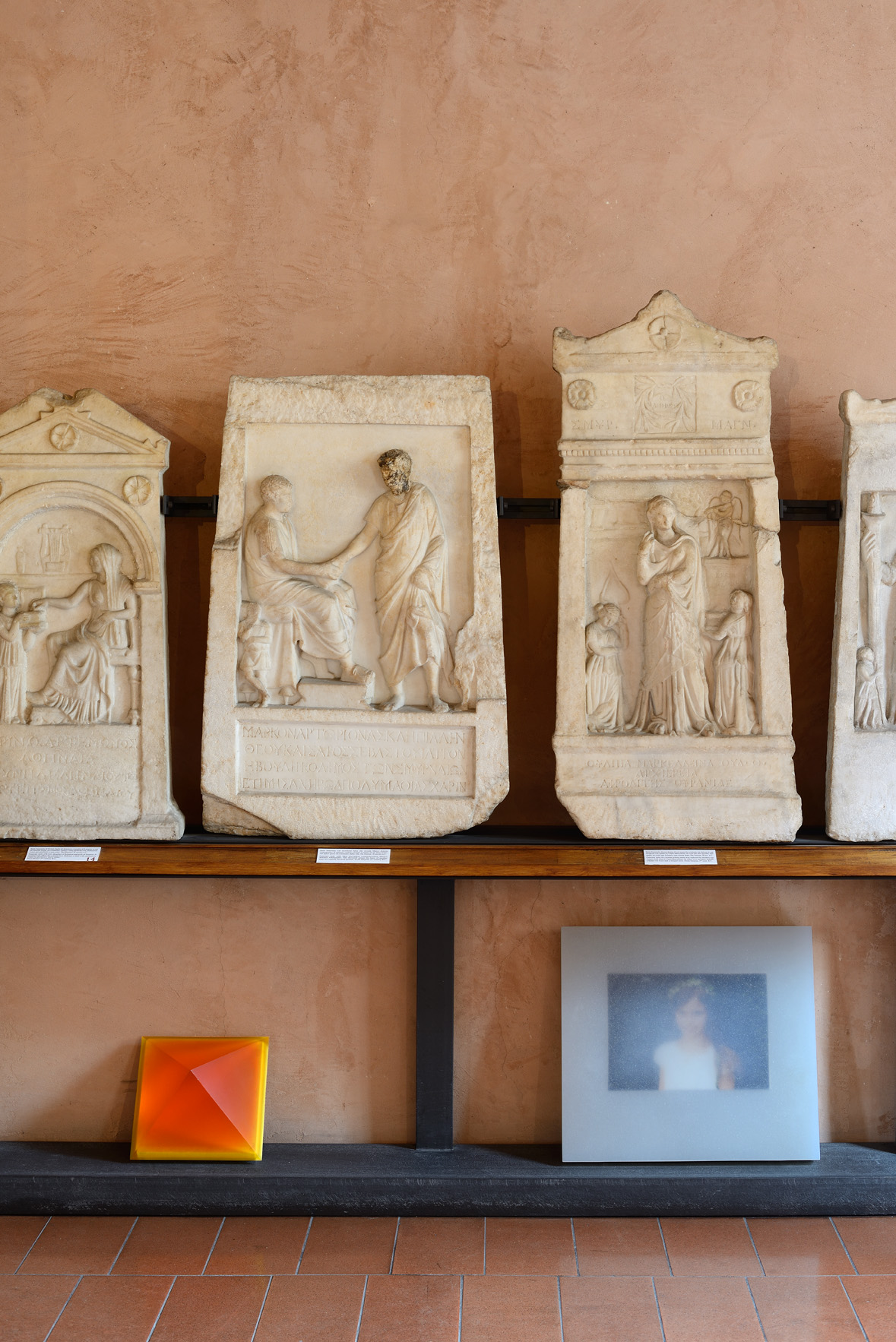
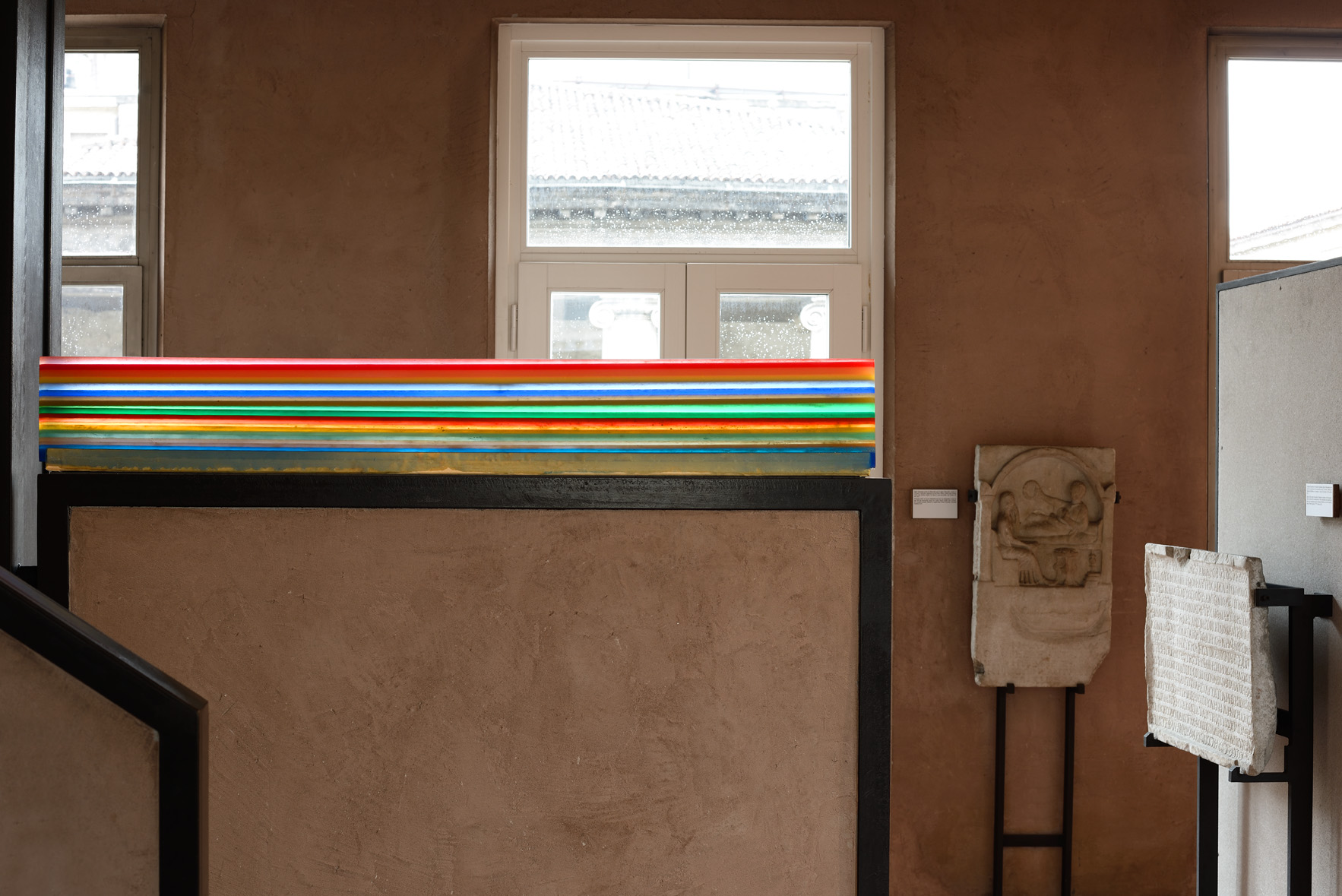
Point Alpha refers to works that address both the discovery of artistic expressions and the conceptual moment of their creation. It is as if we are invited to participate in the creative process. We are drawn close to this evolution, and through the museum’s artifacts, we approach the essence of an epoch. Through this work, the moment is frozen and preserved for future generations.
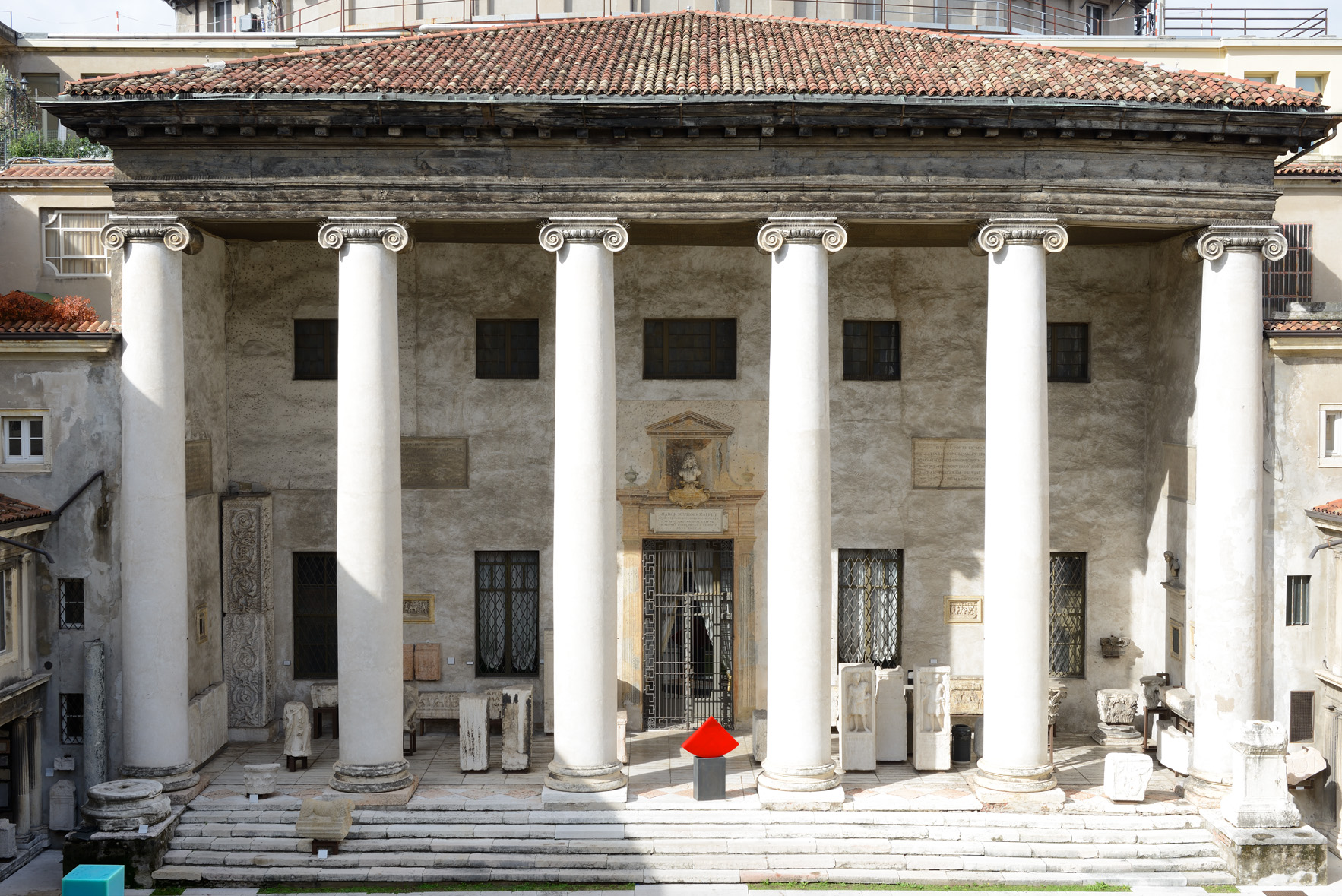
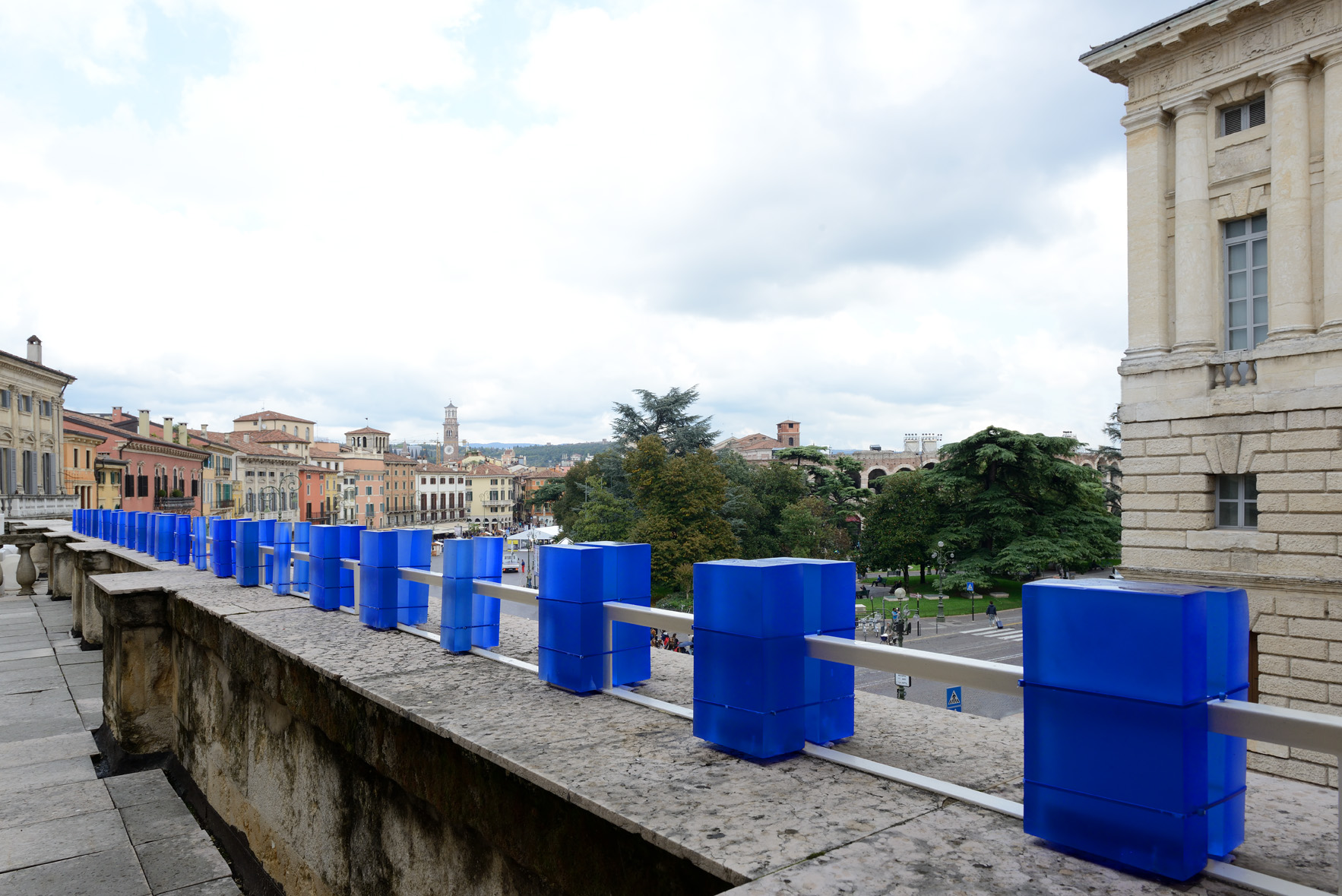
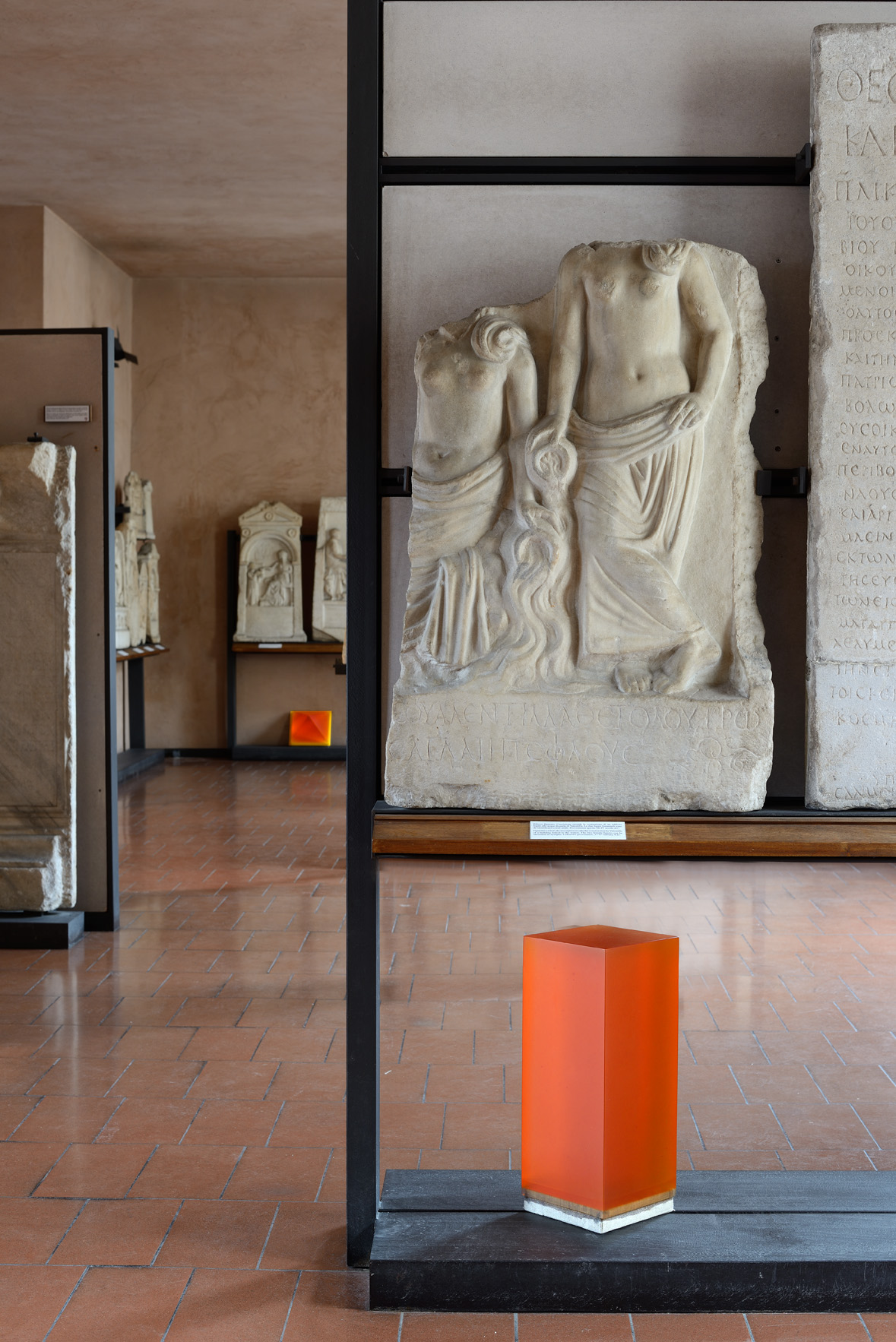
Color restores a sense of everyday vitality to these objects, reviving the polychromy of a distant age. Before being placed upon the museum balcony, the blue cubes were situated within the Atri Cathedral. To me, these cubes resemble the pans of a watercolor set, serving as a metaphor for “colorability.” In Atri, they were inserted into existing scaffolding holes, giving the facade the appearance of a medieval religious manuscript adorned with gemstones. Just as books safeguard the secrets of faith in writing, the cathedral is the site where that faith is practiced. Thus, the facade was not merely decorated; it served as a gateway to Christian mysteries.
From an architectural standpoint, the museum in Verona possesses a Baroque character, in which the colored cubes represent another form of pigmentation. During its golden age, Piazza Erbe appeared as colorful and furnished as the interior of a Venetian villa. We have, in a sense, returned to those 1950s cinematic images where life unfolded largely upon the streets.
Interior space extends into the exterior, leading on one hand toward a private, protective sanctuary, and on the other toward a space of public representation. The city functions much like a fortress, offering protection. The circle thus closes; this is a further attempt to view a building not merely through a technical architectural lens, but as a means to restore the city’s splendor.
Naturally, this project is also supported by the diligent and meticulous work of Galleria Studio La Città. Their efforts complement the urban vision, and I believe that through this collaboration, Verona acquires a new, characteristically Italian countenance.
Herbert Hamak
Museo Lapidario Maffeiano
Piazza Brà 28, Verona 37133 Verona – Italy
Until 13/12 2015